Friday, 18 March 2011

Africa and The (digital) Democratic Revolution


❝DEMOCRACY IN AFRICA❞ Program installation:

❞ EGYPT: ███ 100% Complete...
❞ LYBIA: Downloading...
❞ ALGERIA: Downloading...
❞ IVORY COAST: ██░ 60% [Alert: Virus-Gbagbo detected_Trojan Horse-Ouattarra in Quarantine]
❞ CONGO: Connection lost since 1997
❞ Nigeria: Starting Connection
❞ ZIMBABWE: 404 Error - Server not found

Update:

❞ ANGOLA: ░ 0,05% Rosa de Porcelana software downloaded by 2 dozen kamikazes lead by a foul-mouthed rapper; Full downloading clogged by an hardware army of 4 million Trojan Horses in white masks. [For progress reports click here, here and here]

Saturday, 12 March 2011

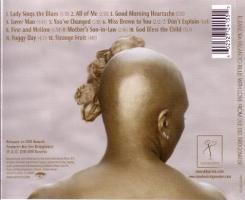
On Women's Month: Dee Dee Sings Lady Day {w/ Adenda}*


[Lady Sings The Blues]

“Young people take note of this woman’s life,
This woman’s bravery, so you too can learn to stand up,
and not be afraid to speak in your own voice.
Children, stand tall and dare to be a Billie Holiday!”

Dee Dee Bridgewater


[Good Morning Heartache]


[Don't Explain]


[Foggy Day]


[Strange Fruit]


{discover more here}


*Adenda


"Someone's got to have the balls to stand up and say, that's enough. That... is... enough." Printed words do not convey the force accompanying this sentiment from a woman who admits to having once thrown a man across a room.
"We're going to try to unite all the female black jazz-singers," she says, "and make a political stand." Woe betide anyone who tries to oppose her. "When I get really angry, I feel my blood boil, I see red, literally, and then I get physical. Don't mess with my babies, my albums. Don't mess with me. I'll turn into an angry, black 'ghettified' sister who will kick your effing ass."


Today (14/03/11), while perusing through some old papers looking for a poem I wrote some years ago dedicated to Lady Day (still couldn't find it), I came across this flyer for the one and only Dee Dee Bridgewater show I went to see (on May 2002, at the Barbican) so far - and what a show! I was totally immersed in the vibrancy of her strong voice and enthralled by the energy of her scatting: it was the first time I experienced live what I had only heard before on some of Ella Fitzgerald's or Sarah Vaughan's recordings - a woman's voice turned into an instrument, mainly the trumpet, but also, incidentally, the piano, or the bass. I still can feel some of that energy now more than 10 years passed...

Then I went to look up the Net for echoes of that show and found the article from which I've taken the extracts bellow. I was totally unaware of that row about Dianna Krall (and, in passing, Norah Jones) at the time ... and now I must rethink my 'singing her praises', though not necessarily repent because I only dit it once, and half-heartedly at that, namely in a comment posted here, and in a context that I suppose was perfectly understandable (and ... I pray that sista Dee Dee, if she ever reads this, doesn't feel like kicking my effing ass for having mentioning her name alongside Krall's...)!

That context being one, it might be worth noting, in which I was (only mildly and respectfully enough...) making some remarks and suggestions to some Angolan national “jazz pundit” for promoting exclusively white Portuguese jazz musicians’ tours to the country, as can be gathered here… and it just so happens that he recently voiced an overt, sinister, death threat (!) to me, apparently because of it and of my ‘tolerance’ (not even unconditional support…) for some new trends in Angolan contemporary music, such as HIPHOP and Kuduro, basing my position on the darker side of Jazz History as exemplified here… All, as he sees it, against the background of the 27 May 1977 - a political tragedy with clear racist overtones on all sides which caused thousands of victims and has left open, unhealed wounds in the fabric of Angolan society to this day - and on which some of my views vis-a-vis the Marxist theory and practice aluded to by him are expressed on this post and on comments to this one...

Ah! And also, directly or indirectly, because of my stance on issues like this, protagonised by some white blond barbie doll who, funnily enough, recently rose overnight from virtually total obscurity in that country’s media - after a forced retreat caused by an open letter by Angolan citizens accusing her of blatant racism! - thanks to unashamedly aping, for her 'rebirth so-called contemporary dance show', Cassandra Wilson’s “(un)vest”, for lack of a better word, on the cover of her New Moon Daughter album pictured here

Now, just briefly, about Norah Jones: in the beginning of 2003, a female friend (and in the Angolan context this can be highly relevant: a mixed-race one) in Luanda asked me what I thought about her and I replied, totally absentmindedly and unaware of Dee Dee’s outburst a few months earlier, something like this: look, to be perfectly honest, I don’t know what the fuss around her is all about; her most celebrated song so far seems to be all around something like “don’t know why I didn’t come”, which apparently invokes (unfulfilled) sex… so, if that’s all there is to her success I can’t really figure out where she stands as a jazz singer, writer, or musician…

Another thing that touched me in Dee Dee's outburst was the way in which she used the word antiseptic - I often use the word asseptic (e.g. here) to describe similar cases and contexts... But, above all, it was warming to know of her sisterly allegiance with Cassandra Wilson and other black jazz singers around it at the time... which, in some ways, takes me to this other sort of 'sisterly allegiance' (albeit circumstancial and distant), where it becomes apparent that some people in Angola, somewhere, somehow, and for whatever racially and/or culturally-based reason(s) have been trying (for far too long!) to, to use Dee Dee's word, exterminate me and my work, humble and unconceited as it is...

So, really, these discoveries today made my DAY! And, inDEEd inDEEd, my WOMEN'S MONTH!


Dee Dee Bridgewater is one of those people who is slow to anger, normally exuding the kind of calm associated with green tea, eucalyptus oil and tinkly-binkly music. At the age of 51, her skin is almost unnaturally smooth, and her conversation is low and beguiling, often sinking to a whisper. Her career has included stints with the Thad Jones-Mel Lewis Jazz Orchestra, stage shows about Ella Fitzgerald and Billie Holiday, and forays into pop; a trio of her earlier recordings has recently been reissued. She is delighted with her latest project, an album of Kurt Weill songs, which she will perform tonight at the Barbican. All would seem very well for Ms Bridgewater.

Yet the contented façade barely contains a volcano of rage that she admits she is struggling to keep the lid on. Bridgewater fears that the big record companies are trying to exterminate her and the tradition she represents, to replace them with insipid Barbie dolls with mass-market, lucrative appeal. The idea that jazz singing should be in a frail state may initially seem odd. Aren't the likes of her Verve label-mate Diana Krall and Norah Jones achieving the elusive position of being genuinely popular jazz artists, with posters on billboards and television ad campaigns, just like, well, pop singers? As Bridgewater points out, that achievement does not come without a cost.

"The Diana Krall phenomenon is based on material that's 30 or 40 years old," she says. "The treatment is cold, there's no emotion. It's only working because the jazz has been watered down, it's not abrasive – it's antiseptic." Bridgewater herself is a wonderful interpreter of old standards, although there is a world of difference between her punchy, gutsy style and the pale-honey smooth Krall – you could never accuse Dee Dee of being antiseptic. But there is more than just a difference of stylistic opinion here. "This is the era of the white female jazz singer," she says. "Even though jazz singing has traditionally been associated with the black female voice, it has never been at the elimination of the white female singer. Why, all of a sudden, are we supposed to be eliminated because the labels are scrambling to find their own Diana Krall wannabes? It's upsetting and frightening."

There's nothing grey about Dee Dee, or her contemporary Cassandra Wilson, both of whom search for the individual rather than a lower common-denominator. They resist the pressure to make radio-friendly recordings, and as a result, feel their music is not being treated seriously by an industry looking for a fast, sizeable return. "We were both in New York," says Dee Dee, "and Cassandra said, 'I can't get anybody interested in my projects, they keep putting Krall's name in my face. What are we supposed to do? Look at us, we've got our dreadlocks!'"

This is happening not only in America, but also in France, until recently Bridgewater's adopted home. "I've always employed French musicians, I've been burned for taking them to New York. But I can't get any reviews in French jazz papers. They've decided that Diana Krall is the beginning, the end and the in-between. To have the French jazz community turn its back on me because they've got some blonde, blue-eyed chick that can sing halfway decent and can play the piano – I'm livid."

She is determined that her anger will not make her bitter, though. A solution is forming in her mind. "Someone's got to have the balls to stand up and say, that's enough. That... is... enough." Printed words do not convey the force accompanying this sentiment from a woman who admits to having once thrown a man across a room.
"We're going to try to unite all the female black jazz-singers," she says, "and make a political stand." Woe betide anyone who tries to oppose her. "When I get really angry, I feel my blood boil, I see red, literally, and then I get physical. Don't mess with my babies, my albums. Don't mess with me. I'll turn into an angry, black 'ghettified' sister who will kick your effing ass."

"I always felt that I had to scat, to be another musician" – in her case, a trumpeter. "My father was, my first husband was, I had a boyfriend who was. Dizzy, Miles, Clark Terry – all my heroes were trumpeters." Now she is happy to concentrate on the lyric. "I thought, why don't I just sing the whole song, which I haven't done for years because I've been working so hard on getting my scatting to a level where I felt I was really being an instrument."

This is her route now. Bored by standards, which she says she might return to when she's 60 but not before, Weill has opened up a new vista for her; she's even contemplating resuscitating some of his operas. Her record company would do well to realise what a prodigious talent it has in Dee Dee Bridgewater – an artist worth a hundred Diana Kralls. If they don't, she will certainly be off – but not before she's kicked their effing asses.


{extracted from here}


Related posts:

Happy Hour!!!

A Minha Patria Nao E' a Lingua Portuguesa


[Lady Sings The Blues]

“Young people take note of this woman’s life,
This woman’s bravery, so you too can learn to stand up,
and not be afraid to speak in your own voice.
Children, stand tall and dare to be a Billie Holiday!”

Dee Dee Bridgewater


[Good Morning Heartache]


[Don't Explain]


[Foggy Day]


[Strange Fruit]


{discover more here}


*Adenda


"Someone's got to have the balls to stand up and say, that's enough. That... is... enough." Printed words do not convey the force accompanying this sentiment from a woman who admits to having once thrown a man across a room.
"We're going to try to unite all the female black jazz-singers," she says, "and make a political stand." Woe betide anyone who tries to oppose her. "When I get really angry, I feel my blood boil, I see red, literally, and then I get physical. Don't mess with my babies, my albums. Don't mess with me. I'll turn into an angry, black 'ghettified' sister who will kick your effing ass."


Today (14/03/11), while perusing through some old papers looking for a poem I wrote some years ago dedicated to Lady Day (still couldn't find it), I came across this flyer for the one and only Dee Dee Bridgewater show I went to see (on May 2002, at the Barbican) so far - and what a show! I was totally immersed in the vibrancy of her strong voice and enthralled by the energy of her scatting: it was the first time I experienced live what I had only heard before on some of Ella Fitzgerald's or Sarah Vaughan's recordings - a woman's voice turned into an instrument, mainly the trumpet, but also, incidentally, the piano, or the bass. I still can feel some of that energy now more than 10 years passed...

Then I went to look up the Net for echoes of that show and found the article from which I've taken the extracts bellow. I was totally unaware of that row about Dianna Krall (and, in passing, Norah Jones) at the time ... and now I must rethink my 'singing her praises', though not necessarily repent because I only dit it once, and half-heartedly at that, namely in a comment posted here, and in a context that I suppose was perfectly understandable (and ... I pray that sista Dee Dee, if she ever reads this, doesn't feel like kicking my effing ass for having mentioning her name alongside Krall's...)!

That context being one, it might be worth noting, in which I was (only mildly and respectfully enough...) making some remarks and suggestions to some Angolan national “jazz pundit” for promoting exclusively white Portuguese jazz musicians’ tours to the country, as can be gathered here… and it just so happens that he recently voiced an overt, sinister, death threat (!) to me, apparently because of it and of my ‘tolerance’ (not even unconditional support…) for some new trends in Angolan contemporary music, such as HIPHOP and Kuduro, basing my position on the darker side of Jazz History as exemplified here… All, as he sees it, against the background of the 27 May 1977 - a political tragedy with clear racist overtones on all sides which caused thousands of victims and has left open, unhealed wounds in the fabric of Angolan society to this day - and on which some of my views vis-a-vis the Marxist theory and practice aluded to by him are expressed on this post and on comments to this one...

Ah! And also, directly or indirectly, because of my stance on issues like this, protagonised by some white blond barbie doll who, funnily enough, recently rose overnight from virtually total obscurity in that country’s media - after a forced retreat caused by an open letter by Angolan citizens accusing her of blatant racism! - thanks to unashamedly aping, for her 'rebirth so-called contemporary dance show', Cassandra Wilson’s “(un)vest”, for lack of a better word, on the cover of her New Moon Daughter album pictured here

Now, just briefly, about Norah Jones: in the beginning of 2003, a female friend (and in the Angolan context this can be highly relevant: a mixed-race one) in Luanda asked me what I thought about her and I replied, totally absentmindedly and unaware of Dee Dee’s outburst a few months earlier, something like this: look, to be perfectly honest, I don’t know what the fuss around her is all about; her most celebrated song so far seems to be all around something like “don’t know why I didn’t come”, which apparently invokes (unfulfilled) sex… so, if that’s all there is to her success I can’t really figure out where she stands as a jazz singer, writer, or musician…

Another thing that touched me in Dee Dee's outburst was the way in which she used the word antiseptic - I often use the word asseptic (e.g. here) to describe similar cases and contexts... But, above all, it was warming to know of her sisterly allegiance with Cassandra Wilson and other black jazz singers around it at the time... which, in some ways, takes me to this other sort of 'sisterly allegiance' (albeit circumstancial and distant), where it becomes apparent that some people in Angola, somewhere, somehow, and for whatever racially and/or culturally-based reason(s) have been trying (for far too long!) to, to use Dee Dee's word, exterminate me and my work, humble and unconceited as it is...

So, really, these discoveries today made my DAY! And, inDEEd inDEEd, my WOMEN'S MONTH!


Dee Dee Bridgewater is one of those people who is slow to anger, normally exuding the kind of calm associated with green tea, eucalyptus oil and tinkly-binkly music. At the age of 51, her skin is almost unnaturally smooth, and her conversation is low and beguiling, often sinking to a whisper. Her career has included stints with the Thad Jones-Mel Lewis Jazz Orchestra, stage shows about Ella Fitzgerald and Billie Holiday, and forays into pop; a trio of her earlier recordings has recently been reissued. She is delighted with her latest project, an album of Kurt Weill songs, which she will perform tonight at the Barbican. All would seem very well for Ms Bridgewater.

Yet the contented façade barely contains a volcano of rage that she admits she is struggling to keep the lid on. Bridgewater fears that the big record companies are trying to exterminate her and the tradition she represents, to replace them with insipid Barbie dolls with mass-market, lucrative appeal. The idea that jazz singing should be in a frail state may initially seem odd. Aren't the likes of her Verve label-mate Diana Krall and Norah Jones achieving the elusive position of being genuinely popular jazz artists, with posters on billboards and television ad campaigns, just like, well, pop singers? As Bridgewater points out, that achievement does not come without a cost.

"The Diana Krall phenomenon is based on material that's 30 or 40 years old," she says. "The treatment is cold, there's no emotion. It's only working because the jazz has been watered down, it's not abrasive – it's antiseptic." Bridgewater herself is a wonderful interpreter of old standards, although there is a world of difference between her punchy, gutsy style and the pale-honey smooth Krall – you could never accuse Dee Dee of being antiseptic. But there is more than just a difference of stylistic opinion here. "This is the era of the white female jazz singer," she says. "Even though jazz singing has traditionally been associated with the black female voice, it has never been at the elimination of the white female singer. Why, all of a sudden, are we supposed to be eliminated because the labels are scrambling to find their own Diana Krall wannabes? It's upsetting and frightening."

There's nothing grey about Dee Dee, or her contemporary Cassandra Wilson, both of whom search for the individual rather than a lower common-denominator. They resist the pressure to make radio-friendly recordings, and as a result, feel their music is not being treated seriously by an industry looking for a fast, sizeable return. "We were both in New York," says Dee Dee, "and Cassandra said, 'I can't get anybody interested in my projects, they keep putting Krall's name in my face. What are we supposed to do? Look at us, we've got our dreadlocks!'"

This is happening not only in America, but also in France, until recently Bridgewater's adopted home. "I've always employed French musicians, I've been burned for taking them to New York. But I can't get any reviews in French jazz papers. They've decided that Diana Krall is the beginning, the end and the in-between. To have the French jazz community turn its back on me because they've got some blonde, blue-eyed chick that can sing halfway decent and can play the piano – I'm livid."

She is determined that her anger will not make her bitter, though. A solution is forming in her mind. "Someone's got to have the balls to stand up and say, that's enough. That... is... enough." Printed words do not convey the force accompanying this sentiment from a woman who admits to having once thrown a man across a room.
"We're going to try to unite all the female black jazz-singers," she says, "and make a political stand." Woe betide anyone who tries to oppose her. "When I get really angry, I feel my blood boil, I see red, literally, and then I get physical. Don't mess with my babies, my albums. Don't mess with me. I'll turn into an angry, black 'ghettified' sister who will kick your effing ass."

"I always felt that I had to scat, to be another musician" – in her case, a trumpeter. "My father was, my first husband was, I had a boyfriend who was. Dizzy, Miles, Clark Terry – all my heroes were trumpeters." Now she is happy to concentrate on the lyric. "I thought, why don't I just sing the whole song, which I haven't done for years because I've been working so hard on getting my scatting to a level where I felt I was really being an instrument."

This is her route now. Bored by standards, which she says she might return to when she's 60 but not before, Weill has opened up a new vista for her; she's even contemplating resuscitating some of his operas. Her record company would do well to realise what a prodigious talent it has in Dee Dee Bridgewater – an artist worth a hundred Diana Kralls. If they don't, she will certainly be off – but not before she's kicked their effing asses.


{extracted from here}


Related posts:

Happy Hour!!!

A Minha Patria Nao E' a Lingua Portuguesa


Friday, 11 March 2011

Rape: A Radical Analysis


From an African-American Perspective
[by Kalamu ya Salaam]

The struggle to eradicate sexism and develop African-American women is, in our opinion, a key and critical aspect of our people's struggle for a better and more beautiful life.

Sexism is the systematic repression and exploitation of one group of people by another group of people based on the criterion of sex. Sexism, as institutionalized in America today, manifests itself as the social and material male domination of women.

Sexism, like capitalism and racism, is a pervasive evil that must be rooted out and eradicated through conscious, uncompromising and consistent struggle. But smashing sexism will not be easy.

First, we must fight against the myth that sexism is not a major problem in the African-American community. Second, we must deepen our theoretical and analytical understanding of sexism so that we can know precisely how to proceed.

Our purpose in this presentation is to offer an analysis and theory of the phenomenon of rape, one of the most blatant and violent forms of sexual oppression. Hopefully this presentation will inspire women to fight back, will inspire men to be self-critical, and will inspire each reader to reassess their own thoughts and actions with respect to woman/man relationships in general and the sexist practice of rape in particular.


[Keep reading here]


Related post

Systematic Rape Reported on The Border Angola-DRC

From an African-American Perspective
[by Kalamu ya Salaam]

The struggle to eradicate sexism and develop African-American women is, in our opinion, a key and critical aspect of our people's struggle for a better and more beautiful life.

Sexism is the systematic repression and exploitation of one group of people by another group of people based on the criterion of sex. Sexism, as institutionalized in America today, manifests itself as the social and material male domination of women.

Sexism, like capitalism and racism, is a pervasive evil that must be rooted out and eradicated through conscious, uncompromising and consistent struggle. But smashing sexism will not be easy.

First, we must fight against the myth that sexism is not a major problem in the African-American community. Second, we must deepen our theoretical and analytical understanding of sexism so that we can know precisely how to proceed.

Our purpose in this presentation is to offer an analysis and theory of the phenomenon of rape, one of the most blatant and violent forms of sexual oppression. Hopefully this presentation will inspire women to fight back, will inspire men to be self-critical, and will inspire each reader to reassess their own thoughts and actions with respect to woman/man relationships in general and the sexist practice of rape in particular.


[Keep reading here]


Related post

Systematic Rape Reported on The Border Angola-DRC

Tsunami Hits Again


This time in Japan

[Details here]


Related post:

The Tsunami


This time in Japan

[Details here]


Related post:

The Tsunami

Monday, 7 March 2011

Angola: 'Anti-regime protest' aborted


Reports from Angola say authorities have arrested up to 20 people who were trying to protest against the rule of President Jose Eduardo dos Santos.

A local news outlet, Angola 24 Hours, says security forces detained the protesters Monday at the May 1 Square in the capital, Luanda.

Other reports say those arrested include three journalists from the independent Novo Jornal newspaper and a rapper who has been critical of the government.

Anonymous activists had called for an anti-dos Santos rally in the capital Monday. Officials speaking through state media warned Angolans against attending the demonstration.

On Saturday, thousands of Angolans took part in a pro-government rally in Luanda.

President dos Santos has ruled Angola since 1979. The country is rich in diamonds and oil, but most of its population lives in poverty.

[here and here]


Related post:

Verdade ou Mentira?


Reports from Angola say authorities have arrested up to 20 people who were trying to protest against the rule of President Jose Eduardo dos Santos.

A local news outlet, Angola 24 Hours, says security forces detained the protesters Monday at the May 1 Square in the capital, Luanda.

Other reports say those arrested include three journalists from the independent Novo Jornal newspaper and a rapper who has been critical of the government.

Anonymous activists had called for an anti-dos Santos rally in the capital Monday. Officials speaking through state media warned Angolans against attending the demonstration.

On Saturday, thousands of Angolans took part in a pro-government rally in Luanda.

President dos Santos has ruled Angola since 1979. The country is rich in diamonds and oil, but most of its population lives in poverty.

[here and here]


Related post:

Verdade ou Mentira?


Friday, 4 March 2011

CARNAVAL [R]


Despir o nú
e agasalhar o mal vestido,
como quem quer a coisa
e nunca se espanta,
senão à despedida.


Resta um canto suave
e um prazer imedido
na exorcisão das teias
do armário

qualquer ovo que se machuca
entre os dedos
e se espalha lentamente
pelo corpo, auspiciosamente,
entre a calma do ócio
e o desprezo da revolta,
um sorriso e
talvez um aperto de mãos.
De costas. Para dar mais prazer.


E um vento que sopra
rasteiro, sibilino
uma tempestade
que nunca desabará
e o choque. Carnaval.


[A.S. in S.O.S.]


[Postado inicialmente a 19/02/07]


Despir o nú
e agasalhar o mal vestido,
como quem quer a coisa
e nunca se espanta,
senão à despedida.


Resta um canto suave
e um prazer imedido
na exorcisão das teias
do armário

qualquer ovo que se machuca
entre os dedos
e se espalha lentamente
pelo corpo, auspiciosamente,
entre a calma do ócio
e o desprezo da revolta,
um sorriso e
talvez um aperto de mãos.
De costas. Para dar mais prazer.


E um vento que sopra
rasteiro, sibilino
uma tempestade
que nunca desabará
e o choque. Carnaval.


[A.S. in S.O.S.]


[Postado inicialmente a 19/02/07]

Thursday, 3 March 2011

Verdade ou Mentira? [actualizado]*


A sociedade angolana (tanto os cidadaos **, como o poder e a oposicao politica) ainda nao esta' preparada para os ventos de mudanca que assolam o Norte de Africa.

[i.e. que resultem em mudancas como as ocorridas na Tunisia e no Egipto e nao descambem no que se passa na Libia...]


*[aqui e aqui]


Posts Relacionados:


A Tarefa de Substituir JES

Depois do Melao...

Humor Angolano


E... para ajudar a descomprimir um pouco a 'alta tensao' e o 'nervoso miudinho' que se vivem em antecipacao das 'manifestacoes e contra-manifestacoes' anunciadas para os proximos dias em Luanda, este Zenga Zenga do 'Irmao' Gaddafi:


** ADENDA


Nao e’ por nada, mas…

Porque sera’ que este jovem, de quem apenas ouvi falar nos ultimos dias, com o seu discurso pouco recomendavel a menores de idade, sobretudo em lugares ou meios de comunicacao publicos, e o seu recurso a “palavras de ordem” do Paulo Flores, me faz lembrar certos “arremessadores de armas” – tao “democratas e tolerantes” que nao descansam enquanto nao me alvejarem de morte (!) e igualmente cheios de “responsabilidade, profundidade e conteudo” e, sobretudo “nada esforcados e muito modestos” (!) – de que se fala, entre outros lugares, aqui, aqui, aqui ou aqui?!


A sociedade angolana (tanto
os cidadaos **, como o poder e a oposicao politica) ainda nao esta' preparada para os ventos de mudanca que assolam o Norte de Africa.

[i.e. que resultem em mudancas como as ocorridas na Tunisia e no Egipto e nao descambem no que se passa na Libia...]


*[aqui e aqui]


Posts Relacionados:


A Tarefa de Substituir JES

Depois do Melao...

Humor Angolano


E... para ajudar a descomprimir um pouco a 'alta tensao' e o 'nervoso miudinho' que se vivem em antecipacao das 'manifestacoes e contra-manifestacoes' anunciadas para os proximos dias em Luanda, este Zenga Zenga do 'Irmao' Gaddafi:


** ADENDA


Nao e’ por nada, mas…

Porque sera’ que este jovem, de quem apenas ouvi falar nos ultimos dias, com o seu discurso pouco recomendavel a menores de idade, sobretudo em lugares ou meios de comunicacao publicos, e o seu recurso a “palavras de ordem” do Paulo Flores, me faz lembrar certos “arremessadores de armas” – tao “democratas e tolerantes” que nao descansam enquanto nao me alvejarem de morte (!) e igualmente cheios de “responsabilidade, profundidade e conteudo” e, sobretudo “nada esforcados e muito modestos” (!) – de que se fala, entre outros lugares, aqui, aqui, aqui ou aqui?!

Saturday, 26 February 2011

Systematic Rape Reported on the border Angola-DRC


Systematic sexual violence continues to be carried out against Congolese women and girls caught up in mass expulsions from Angola to the Democratic Republic of the Congo, according to a U.N. envoy.
Community leaders recorded 182 reported rapes in seven villages along the border in January alone, while a U.N. assessment mission confirmed 1,357 reported rape cases in one village in a six-to-eight-month period last year, said the official, Margot Wallstrom.
"My findings strongly suggest that sexual violence is systematically being carried out against Congolese women and girls in the context of expulsions from Angola to (Congo)," said Wallstrom, who visited the area.
"Many of the survivors who I spoke with confirmed that these violations occur in detention facilities in Angola as well as on the Congolese side of the border," she said in a statement.
"Women recounted that they were raped by uniformed security forces during expulsion from Angola," Wallstrom said, adding the figures had probably been under-reported.
The rapes first came to light last November when a report by the U.N. children's agency UNICEF, seen by Reuters, said that more than 650 people had suffered sexual violence during expulsions from Angola to Congo in the previous two months.
Tit-for-tat expulsions between Angola and Congo reached an estimated 211,000 people in 2009.

More details here and here


Related Posts:

Kabila on Rape in DRC

Dividendos dos Afectos


Systematic sexual violence continues to be carried out against Congolese women and girls caught up in mass expulsions from Angola to the Democratic Republic of the Congo, according to a U.N. envoy.
Community leaders recorded 182 reported rapes in seven villages along the border in January alone, while a U.N. assessment mission confirmed 1,357 reported rape cases in one village in a six-to-eight-month period last year, said the official, Margot Wallstrom.
"My findings strongly suggest that sexual violence is systematically being carried out against Congolese women and girls in the context of expulsions from Angola to (Congo)," said Wallstrom, who visited the area.
"Many of the survivors who I spoke with confirmed that these violations occur in detention facilities in Angola as well as on the Congolese side of the border," she said in a statement.
"Women recounted that they were raped by uniformed security forces during expulsion from Angola," Wallstrom said, adding the figures had probably been under-reported.
The rapes first came to light last November when a report by the U.N. children's agency UNICEF, seen by Reuters, said that more than 650 people had suffered sexual violence during expulsions from Angola to Congo in the previous two months.
Tit-for-tat expulsions between Angola and Congo reached an estimated 211,000 people in 2009.

More details here and here


Related Posts:

Kabila on Rape in DRC

Dividendos dos Afectos


Sunday, 20 February 2011

A Irresponsabilidade do Vazio* [Revisto e Actualizado]


"(...) Age was respected among his people, but achievement was revered. As the elders said, if a child washed his hands he could eat with kings. Okonkwo had clearly washed his hands and so he ate with kings and elders."
Biyi Bandele [in Introduction to Chinua Achebe's Things Fall Apart - Penguim, 2001 edition]

N.B.: Chinua Achebe started writing Things Fall Apart, his magnum opus published three years later, in 1958, which has earned him the title of 'The Grandfather of African Literature', at the age of 25.


Olhamos para os cantos
Buscando um espaço
Anunciado tempo de sonho
Em espiral
No percurso das veias
Já corroídas pelo vazio, raiz da loucura
Se não preenchido a tempo.

[Extracto de Canto dos Olhos – A.S. in S.O.S.]


Juro por Deus [e desde ja’ Lhe peco perdao por invocar assim o Seu nome em vao – e’ que, cada vez mais, vou dando por mim regressando ‘a minha fe’ em Deus (ou, mais precisamente, em Jesus, meu xara’), dos meus tempos de infancia e adolescencia: quanto menos vou acreditando nos homens (e mulheres) deste mundo, mais necessidade vou sentindo de ter Alguem em quem acreditar!... Embora continue a detestar homilias!...] que tinha decidido ha’ ja’ bastante tempo nao voltar a deixar-me arrastar em discussoes inocuas com “surdos-mudos”, especialmente os do tipo arrogante ignorante e/ou intelectualmente desonesto. De facto, comecei a implementar essa decisao de forma efectiva no inicio deste ano com este "Thought for the Year" e, em seguida, ao longo das ultimas semanas, com a retirada progressiva de todos os posts real ou potencialmente polemicos que neste blog publiquei, em particular os relacionados com uma certa tristemente celebre campanha

Neles se incluiam os que escrevi, ainda nos primordios deste blog, sob o titulo generico “Makas na Sanzala”, sobre algumas das “homilias” de Mia Couto (MC). Nao e’, portanto, sem alguma relutancia que me sinto compelida a voltar a escrever a proposito de mais uma delas – o que, muito a contragosto, me levou a ter que ‘repostar’ alguns dos posts relacionados que ja’ havia retirado. Ja’ ha’ muito nao recebia, por email, tais “homilias” – mais precisamente desde a que ficou mais conhecida pelo “sejamos claros” –, pelo que me desgostou sobremaneira voltar agora a receber mais uma dessas missivas em forma de “arma de arremesso” (transcrita no final deste texto)…

E’ entitulada “O Peso do Vazio” (o que me recorda uma outra, de Pepetela, entitulada “O Horror do Vazio” – e’, o vazio parece estar na moda!… Ja' agora, um outro 'tipo de vazio', o do bolso, pode ser encontrado aqui) e, de tao aparentemente aimless, soou-me, recorrendo ao rico vocabulario do seu mui distinto e consagrado autor, oca, bacoca, vazia e… irresponsavel!


[Kant - by Yinka Shonibare]


[Continua aqui]


Posts relacionados:

Vultures

Falando do Homem Novo

Falando de Intelectualismo(s)

African Intellectuals in the Belly of the Beast


*Aparentemente, esta foi a "resposta" de Mia Couto a este post: "Os Falsaportes" - o qual, por sua vez, podera' ser lido em referencia a este.


"(...) Age was respected among his people, but achievement was revered. As the elders said, if a child washed his hands he could eat with kings. Okonkwo had clearly washed his hands and so he ate with kings and elders."
Biyi Bandele [in Introduction to Chinua Achebe's Things Fall Apart - Penguim, 2001 edition]

N.B.: Chinua Achebe started writing Things Fall Apart, his magnum opus published three years later, in 1958, which has earned him the title of 'The Grandfather of African Literature', at the age of 25.


Olhamos para os cantos
Buscando um espaço
Anunciado tempo de sonho
Em espiral
No percurso das veias
Já corroídas pelo vazio, raiz da loucura
Se não preenchido a tempo.

[Extracto de Canto dos Olhos – A.S. in S.O.S.]


Juro por Deus [e desde ja’ Lhe peco perdao por invocar assim o Seu nome em vao – e’ que, cada vez mais, vou dando por mim regressando ‘a minha fe’ em Deus (ou, mais precisamente, em Jesus, meu xara’), dos meus tempos de infancia e adolescencia: quanto menos vou acreditando nos homens (e mulheres) deste mundo, mais necessidade vou sentindo de ter Alguem em quem acreditar!... Embora continue a detestar homilias!...] que tinha decidido ha’ ja’ bastante tempo nao voltar a deixar-me arrastar em discussoes inocuas com “surdos-mudos”, especialmente os do tipo arrogante ignorante e/ou intelectualmente desonesto. De facto, comecei a implementar essa decisao de forma efectiva no inicio deste ano com este "Thought for the Year" e, em seguida, ao longo das ultimas semanas, com a retirada progressiva de todos os posts real ou potencialmente polemicos que neste blog publiquei, em particular os relacionados com uma certa tristemente celebre campanha

Neles se incluiam os que escrevi, ainda nos primordios deste blog, sob o titulo generico “Makas na Sanzala”, sobre algumas das “homilias” de Mia Couto (MC). Nao e’, portanto, sem alguma relutancia que me sinto compelida a voltar a escrever a proposito de mais uma delas – o que, muito a contragosto, me levou a ter que ‘repostar’ alguns dos posts relacionados que ja’ havia retirado. Ja’ ha’ muito nao recebia, por email, tais “homilias” – mais precisamente desde a que ficou mais conhecida pelo “sejamos claros” –, pelo que me desgostou sobremaneira voltar agora a receber mais uma dessas missivas em forma de “arma de arremesso” (transcrita no final deste texto)…

E’ entitulada “O Peso do Vazio” (o que me recorda uma outra, de Pepetela, entitulada “O Horror do Vazio” – e’, o vazio parece estar na moda!… Ja' agora, um outro 'tipo de vazio', o do bolso, pode ser encontrado aqui) e, de tao aparentemente aimless, soou-me, recorrendo ao rico vocabulario do seu mui distinto e consagrado autor, oca, bacoca, vazia e… irresponsavel!


[Kant - by Yinka Shonibare]


[Continua aqui]


Posts relacionados:

Vultures

Falando do Homem Novo

Falando de Intelectualismo(s)

African Intellectuals in the Belly of the Beast


*Aparentemente, esta foi a "resposta" de Mia Couto a este post: "Os Falsaportes" - o qual, por sua vez, podera' ser lido em referencia a este.


Saturday, 19 February 2011

Just Poetry (xxxvii)


Vultures

In the greyness
and drizzle of one despondent
dawn unstirred by harbingers
of sunbreak a vulture
perching high on broken
bones of a dead tree
nestled close to his
mate his smooth
bashed-in head, a pebble
on a stem rooted in
a dump of gross
feathers, inclined affectionately
to hers. Yesterday they picked
the eyes of a swollen
corpse in a water-logged
trench and ate the
things in its bowel. Full
gorged they chose their roost
keeping the hollowed remnant
in easy range of cold
telescopic eyes...

Strange
indeed how love in other
ways so particular
will pick a corner
in that charnel-house
tidy it and coil up there, perhaps
even fall asleep - her face
turned to the wall!

...Thus the Commandant at Belsen
Camp going home for
the day with fumes of
human roast clinging
rebelliously to his hairy
nostrils will stop
at the wayside sweet-shop
and pick up a chocolate
for his tender offspring
waiting at home for Daddy's
return...

Praise bounteous
providence if you will
that grants even an ogre
a tiny glow-worm
tenderness encapsulated
in icy caverns of a cruel
heart or else despair
for in the very germ
of that kindred love is
lodged the perpetuity
of evil.

[Chinua Achebe]


Agostinho Neto

Agostinho, were you no more
Than the middle one favored by fortune
In children's riddle; Kwame
Striding ahead to accost
Demons; behind you a laggard third
As yet unnamed, of twisted fingers?

No! Your secure strides
Were hard earned. Your feet
Learned their fierce balance
In violent slopes of humiliation;
Your delicate hands, patiently
Groomed for finest incisions,
Were commandeered brusquely to kill,
Your gentle voice to battle-cry.

Perhaps your family and friends
Knew a merry flash cracking the gloom
We see in pictures but I prefer
And will keep that sorrowful legend.
For I have seen how
Half a millennium of alien rape
And murder can stamp a smile
On the vacant face of the fool,
The sinister grin of Africa's idiot-kings
Who oversee in obscene palaces of gold
The butchery of their own people.

Neto, I sing your passing, I,
Timid requisitioner of your vast
Armory's most congenial supply.
What shall I sing? A dirge answering
The gloom? No, I will sing tearful songs
Of joy; I will celebrate
The man who rode a trinity
Of awesome fates to the cause
Of our trampled race!
Thou Healer, Soldier and Poet!

[Chinua Achebe]


Images: 'The Sleep of Reason Produces Monsters' by Yinka Shonibare


Vultures

In the greyness
and drizzle of one despondent
dawn unstirred by harbingers
of sunbreak a vulture
perching high on broken
bones of a dead tree
nestled close to his
mate his smooth
bashed-in head, a pebble
on a stem rooted in
a dump of gross
feathers, inclined affectionately
to hers. Yesterday they picked
the eyes of a swollen
corpse in a water-logged
trench and ate the
things in its bowel. Full
gorged they chose their roost
keeping the hollowed remnant
in easy range of cold
telescopic eyes...

Strange
indeed how love in other
ways so particular
will pick a corner
in that charnel-house
tidy it and coil up there, perhaps
even fall asleep - her face
turned to the wall!

...Thus the Commandant at Belsen
Camp going home for
the day with fumes of
human roast clinging
rebelliously to his hairy
nostrils will stop
at the wayside sweet-shop
and pick up a chocolate
for his tender offspring
waiting at home for Daddy's
return...

Praise bounteous
providence if you will
that grants even an ogre
a tiny glow-worm
tenderness encapsulated
in icy caverns of a cruel
heart or else despair
for in the very germ
of that kindred love is
lodged the perpetuity
of evil.

[Chinua Achebe]


Agostinho Neto

Agostinho, were you no more
Than the middle one favored by fortune
In children's riddle; Kwame
Striding ahead to accost
Demons; behind you a laggard third
As yet unnamed, of twisted fingers?

No! Your secure strides
Were hard earned. Your feet
Learned their fierce balance
In violent slopes of humiliation;
Your delicate hands, patiently
Groomed for finest incisions,
Were commandeered brusquely to kill,
Your gentle voice to battle-cry.

Perhaps your family and friends
Knew a merry flash cracking the gloom
We see in pictures but I prefer
And will keep that sorrowful legend.
For I have seen how
Half a millennium of alien rape
And murder can stamp a smile
On the vacant face of the fool,
The sinister grin of Africa's idiot-kings
Who oversee in obscene palaces of gold
The butchery of their own people.

Neto, I sing your passing, I,
Timid requisitioner of your vast
Armory's most congenial supply.
What shall I sing? A dirge answering
The gloom? No, I will sing tearful songs
Of joy; I will celebrate
The man who rode a trinity
Of awesome fates to the cause
Of our trampled race!
Thou Healer, Soldier and Poet!

[Chinua Achebe]


Images: 'The Sleep of Reason Produces Monsters' by Yinka Shonibare


Friday, 18 February 2011

Angola: The Fall of a Creole Elite?


Abstract: The main purpose of this essay is to investigate different interpretations of the concept of creoleness that may be applied to late nineteenth-century Angola in order to understand whether the definition of a "creole elite" is pertinent when used to refer to the group of filhos da terra, filhos do país or filhos de Angola engaged in conversations about rights and citizenship with one another, with the wider literate population in Angola, with the colonial authorities, and with the literate population in the metropolis.

Sumário: O objetivo deste artigo é de reflectir sobre o sentido da palavra "crioulo," discutir a pertinência do uso deste adjectivo para a definição do segmento social analisado e aprofundar a investigação de um ponto de vista cultural, biológico e linguístico. Depois de comparar as diferenças entre a realidade angolana e outros espaços crioulos presentes no mundo de língua portuguesa (Cabo Verde e São Tomé), a investigação procura examinar as características marcantes das "ilhas crioulas" angolanas, tentando superar os limites ideológicos impostos ao longo do século XX pela crítica contemporânea portuguesa, inspirados respectivamente por apologistas e detractores do esforço colonial. Neste artigo o termo "crioulo" quer definir uma categoria sócio-cultural que abrange um leque variado de elementos heterogéneos: os descendentes de europeus nascidos em Angola–tanto brancos como mestiços–e africanos destribalizados mais ou menos adaptados à cultura europeia que formavam um grupo intermediário entre os europeus da metrópole e a população indígena das áreas rurais.


Jacopo Corrado
The Fall of a Creole Elite?: Angola at the Turn of the Twentieth Century: The Decline of the Euro-African Urban Community
Luso-Brazilian Review - Volume 47, Number 2, 2010, pp. 100-119

(University of Wisconsin Press)


Abstract: The main purpose of this essay is to investigate different interpretations of the concept of creoleness that may be applied to late nineteenth-century Angola in order to understand whether the definition of a "creole elite" is pertinent when used to refer to the group of filhos da terra, filhos do país or filhos de Angola engaged in conversations about rights and citizenship with one another, with the wider literate population in Angola, with the colonial authorities, and with the literate population in the metropolis.

Sumário: O objetivo deste artigo é de reflectir sobre o sentido da palavra "crioulo," discutir a pertinência do uso deste adjectivo para a definição do segmento social analisado e aprofundar a investigação de um ponto de vista cultural, biológico e linguístico. Depois de comparar as diferenças entre a realidade angolana e outros espaços crioulos presentes no mundo de língua portuguesa (Cabo Verde e São Tomé), a investigação procura examinar as características marcantes das "ilhas crioulas" angolanas, tentando superar os limites ideológicos impostos ao longo do século XX pela crítica contemporânea portuguesa, inspirados respectivamente por apologistas e detractores do esforço colonial. Neste artigo o termo "crioulo" quer definir uma categoria sócio-cultural que abrange um leque variado de elementos heterogéneos: os descendentes de europeus nascidos em Angola–tanto brancos como mestiços–e africanos destribalizados mais ou menos adaptados à cultura europeia que formavam um grupo intermediário entre os europeus da metrópole e a população indígena das áreas rurais.


Jacopo Corrado
The Fall of a Creole Elite?: Angola at the Turn of the Twentieth Century: The Decline of the Euro-African Urban Community
Luso-Brazilian Review - Volume 47, Number 2, 2010, pp. 100-119

(University of Wisconsin Press)

Wednesday, 16 February 2011

Global Elites: Do they serve the masses?


There's an interesting live debate on the subject (now about to close) being held by The Economist here.


Some previous Economist Debates with specific interest to Africa:


Egypt


A debate is raging not just in Arab countries but all over the world about whether democracy in Egypt is possible or even desirable. Will Egypt embrace democracy in the next year? Will autocracy prevail? Or will Egypt descend into chaos?

[here]


China's growing involvement in Africa


What is China doing for Africa? The Asian giant is hungry for resources—oil, notably, but minerals and land too—that are abundant on the continent. China also wants strong political ties, for example to build alliances at the United Nations and at global summits. Increasingly, too, Chinese are migrating to Africa. The result is increased trade and investment and a powerful counterweight to Western and former colonial interest in Africa. But there is a downside too. Alliances with China help to protect undemocratic and repressive African governments. China's presence in Zambia, for example, has stirred fierce resentment and accusations of neo-colonial meddling. Lack of concern for human rights or transparency risks bringing just the wrong sort of development to parts of Africa. Chinese imports are helping to smash Africa's putative manufacturing sector to bits. For the average African, might the presence of China be a mixed blessing?

[here]


Cities


Just over half the world's population now call cities home. Soon some 500 cities around the world will have more than 1m people each. Within a couple of decades, says the UN, 5 billion people will live in cities, with the most rapid rise in the number of urban dwellers coming in Asia and Africa. Urbanisation typically comes, in the long term, with great gains to human development: it helps to create wealth, spur innovation, encourage freedom and improve the education of those who make it to town. But the rapid spread of sprawling, ill-planned mega cities, the rise of slums that are home to millions of the poor, the dreadful pollution and congestion common to many fast-growing cities, the rising power of urban gangs and even paramilitary forces in some countries, all suggest that too-rapid growth can harm, as well as improve, the residents' quality of life. So should, and could, the growth of cities be restricted, and by whom? Would restrictions improve the lives of city dwellers—and what of the lives of those left outside the city walls?

[here]


International Trade


Driven in part by a progressive lowering of barriers to trade in both rich and developing countries, global trade expanded faster in the decades leading up to the crisis than the global economy grew. Economists argue that free trade makes everyone better off, allowing more, and more varied, goods, and lower prices, than would otherwise be possible. Some also argue that it leads to faster economic growth and less poverty.

Some critics of free trade argue, however, that its supposed benefits for poor people and developing countries are illusory. Trade, they say, benefits rich countries at the expense of poor ones, increasing inequality between nations. Others say that it hurts rich-country workers, particularly the less skilled, thus increasing economic equality within rich countries. All would rather that the world concentrate its efforts on making trade "fairer" rather than further attempt to reduce trade barriers.

What does the balance of the evidence say? What does it actually mean to make trade fairer? Fairer for whom? Must the two goals be mutually exclusive?

[here]


Language


The idea that language influences thought is a profound, exciting and possibly disturbing one. It has often been used to exoticise other languages: in the 1930s, Benjamin Lee Whorf wrote that Hopi had no words for time (like days and months), and therefore perceived time far differently than European-language speakers do. The belief that language shapes thought also has political implications: in "Nineteen Eighty-Four", George Orwell imagined a dystopia in which government banned subversive words, making the associated thoughts unthinkable. Even in this decade, a group of French activists have proposed making French the sole language of European law, because of its purported great "rigour" and "precision". Does the language we speak shape how we think?

[here]


There's an interesting live debate on the subject (now about to close) being held by The Economist here.


Some previous Economist Debates with specific interest to Africa:


Egypt


A debate is raging not just in Arab countries but all over the world about whether democracy in Egypt is possible or even desirable. Will Egypt embrace democracy in the next year? Will autocracy prevail? Or will Egypt descend into chaos?

[here]


China's growing involvement in Africa


What is China doing for Africa? The Asian giant is hungry for resources—oil, notably, but minerals and land too—that are abundant on the continent. China also wants strong political ties, for example to build alliances at the United Nations and at global summits. Increasingly, too, Chinese are migrating to Africa. The result is increased trade and investment and a powerful counterweight to Western and former colonial interest in Africa. But there is a downside too. Alliances with China help to protect undemocratic and repressive African governments. China's presence in Zambia, for example, has stirred fierce resentment and accusations of neo-colonial meddling. Lack of concern for human rights or transparency risks bringing just the wrong sort of development to parts of Africa. Chinese imports are helping to smash Africa's putative manufacturing sector to bits. For the average African, might the presence of China be a mixed blessing?

[here]


Cities


Just over half the world's population now call cities home. Soon some 500 cities around the world will have more than 1m people each. Within a couple of decades, says the UN, 5 billion people will live in cities, with the most rapid rise in the number of urban dwellers coming in Asia and Africa. Urbanisation typically comes, in the long term, with great gains to human development: it helps to create wealth, spur innovation, encourage freedom and improve the education of those who make it to town. But the rapid spread of sprawling, ill-planned mega cities, the rise of slums that are home to millions of the poor, the dreadful pollution and congestion common to many fast-growing cities, the rising power of urban gangs and even paramilitary forces in some countries, all suggest that too-rapid growth can harm, as well as improve, the residents' quality of life. So should, and could, the growth of cities be restricted, and by whom? Would restrictions improve the lives of city dwellers—and what of the lives of those left outside the city walls?

[here]


International Trade


Driven in part by a progressive lowering of barriers to trade in both rich and developing countries, global trade expanded faster in the decades leading up to the crisis than the global economy grew. Economists argue that free trade makes everyone better off, allowing more, and more varied, goods, and lower prices, than would otherwise be possible. Some also argue that it leads to faster economic growth and less poverty.

Some critics of free trade argue, however, that its supposed benefits for poor people and developing countries are illusory. Trade, they say, benefits rich countries at the expense of poor ones, increasing inequality between nations. Others say that it hurts rich-country workers, particularly the less skilled, thus increasing economic equality within rich countries. All would rather that the world concentrate its efforts on making trade "fairer" rather than further attempt to reduce trade barriers.

What does the balance of the evidence say? What does it actually mean to make trade fairer? Fairer for whom? Must the two goals be mutually exclusive?

[here]


Language


The idea that language influences thought is a profound, exciting and possibly disturbing one. It has often been used to exoticise other languages: in the 1930s, Benjamin Lee Whorf wrote that Hopi had no words for time (like days and months), and therefore perceived time far differently than European-language speakers do. The belief that language shapes thought also has political implications: in "Nineteen Eighty-Four", George Orwell imagined a dystopia in which government banned subversive words, making the associated thoughts unthinkable. Even in this decade, a group of French activists have proposed making French the sole language of European law, because of its purported great "rigour" and "precision". Does the language we speak shape how we think?

[here]

Monday, 14 February 2011

When Contemporary Art Goes to The Laundry... [Updated]*


... Or The Shape We're In!


This used to be one of our local launderettes. Then, be it because of the crisis or some other reason, at some point in the last few months it became just some sort of 'premises to let to whoever and for whatever' - the "happenings" there just keep changing all the time...


So, I wasn't supposed to be surprised at what just appeared there a couple of weeks ago... but... I was!


Covering the full front window, it just happened to us, everyday passers-by, this piece of contemporary art by Tracey Emin...


So, that's the shape we're in, I guess...


[*] Just found out some more about this "happening":
here, here and here.


... Or The Shape We're In!


This used to be one of our local launderettes. Then, be it because of the crisis or some other reason, at some point in the last few months it became just some sort of 'premises to let to whoever and for whatever' - the "happenings" there just keep changing all the time...


So, I wasn't supposed to be surprised at what just appeared there a couple of weeks ago... but... I was!


Covering the full front window, it just happened to us, everyday passers-by, this piece of contemporary art by Tracey Emin...


So, that's the shape we're in, I guess...


[*] Just found out some more about this "happening":
here, here and here.

Sunday, 13 February 2011

Morro do Semba (V)


Cancoes
('vintage')
de
Amor & Dor


Comecando pelos '3 Reis'...


{Sofredora - David Ze'}


{Rosa Maria - Urbano de Castro}


{Belina - Artur Nunes}


{Maria da Horta - Urbano de Castro}


... Prosseguindo com 3 'Principes'...


{Kalumba - Gambuzinos}


{Belita - Artur Adriano}


{Chofer de Praca - Luis Visconde}


...'E terminando com um 'General'!


{Lemba - Dionisio Rocha, feat. Carlitos Vieira Dias on guitar}


{imagens daqui}


Cancoes
('vintage')
de
Amor & Dor


Comecando pelos '3 Reis'...


{Sofredora - David Ze'}


{Rosa Maria - Urbano de Castro}


{Belina - Artur Nunes}


{Maria da Horta - Urbano de Castro}


... Prosseguindo com 3 'Principes'...


{Kalumba - Gambuzinos}


{Belita - Artur Adriano}


{Chofer de Praca - Luis Visconde}


...'E terminando com um 'General'!


{Lemba - Dionisio Rocha, feat. Carlitos Vieira Dias on guitar}


{imagens daqui}

Casorio


{... e foram felizes para sempre...}


{... e foram felizes para sempre...}


Olhares Diversos (XXV)


Vacina Contra o Virus do "Amor"

[Aníbal Simões]

Anda por aí a ideia, já arraigada em nós desde tempos milenares, de que a felicidade desta vida reside no amor. Refiro-me ao amor erótico e sexual e não ao amor filial e fraterno. A partir daí foi criado todo um cenário que, por mais incrível que pareça, chega a atingir às raias do paradoxal.

Quando se é jovem, ou mesmo adulto, e não se tem alguém; ou se teve; ou se está em vias de ter, nasce a impressão de se estar a viver numa grande solidão. Tal situação é sintetizada em frases como estas: "sem ti não posso viver", "só tu podes acabar com a minha solidão" "a minha felicidade está nos teus braços", "prefiro morrer a viver sem ti" e outras, já de mais conhecidas por todos nós. Perrault, um exímio escritor francês da literatura infantil, reflecte, a nosso ver, esta situação em Cinderela.

A história é conhecida por todos nós: Cinderela, uma moça desprezada pela mãe e pelas irmãs, acaba, graças à extrema pequenez de seu pé, por fazer com que um príncipe encantador se enamore por ela. O famoso sapatinho da Cinderela assume-se hoje, no imaginário feminino, como a esperança eterna em se encontrar o parceiro ideal, mais comummente designado por alma gémea. Para elas, isso agrava-se porque, como se vê, os homens de facto, começaram a escassear no "mercado".

Assim, uma jovem sem namorado, espera paciente pelo seu Príncipe Encantado; uma mulher casada, desiludida com o marido sonha, entre um abraço repelido e um beijo ácido, em desfazer a relação para encontrar, talvez um dia, o seu Príncipe Encantado. Uma jovem abandonada pelo namorado, carpe a sua dor com a esperança de que o seu Príncipe Encantado, caso apareça, lhe enxugue as lágrimas, fazendo-a esquecer do causador da sua dor.

Com o andar do tempo, vamo-nos apercebendo de que os Príncipes Encantados e as Cinderelas, não existem, a não ser nas nossas cabecinhas de sonhadores. É que, a cada dia que passa, deparamo-nos mais com desencantos que com encantos. Pior ainda num momento em que a sexualidade deixou, para muita gente, de ser um acto de comunicação; de partilha de emoções, de sentimentos, de realização humana e espiritual entre dois seres, passando a resumir-se a simples actos de erecção, ejaculação e orgasmo, o que tem descambado para as piores frustrações e desilusões. Bem, isso para não falarmos dos riscos a que nos expomos com o "mel que mata":o grande flagelo dos nossos tempos (VIH-Sida).

Na verdade, a dificuldade do homem em realizar-se no amor (dados os preconceitos sexuais), é o que o faz viver constantemente insatisfeito consigo próprio, atando e reatando relações aqui e ali, sem se aperceber que um eterno apaixonado é um eterno sofredor. Bem, vendo as coisas por um outro prisma, podemos inferir também que somos, em parte, prisioneiros dos nossos próprios instintos. Por vezes, a falta de uma forte disciplina interior faz com que sejamos servos dos mesmos. No instinto está também implícita a necessidade biológica da sobrevivência da espécie o que, como se pode ver, complica mais a questão.

Entretanto, hoje é por de mais sabido que os filhos nem sempre são fruto do amor. São, isso sim, mais fruto de uma "imposição" social e cultural que propriamente do grau da estima que existe entre os parceiros. Isso para não falar daquela dimensão psicológica, apontada por Kauffman, para quem os filhos são a "finta da vida". A vida fintou-nos, e todos caímos com uma pinta, porque a existência é incompatível com o vazio. Assim, quanto mais lutarmos para o bem-estar dos filhos, mais atenuamos as nossas crises existenciais e, sobretudo, o pavor da ideia de virmos a morrer um dia. Quem lá sabe se a crença (embora ilusória) da nossa "imortalidade" reside também na procriação?

Vistas assim as coisas nada mais nos resta senão a insatisfação constante, o ciúme, as paixões sucessivas, aliadas à espera incessante e improvável de uma Cinderela ou de um Príncipe Encantado. Ou seja, vivemos todos naquilo a que Kundera chamou de "insustentável leveza do ser". E quando me refiro a isso, vem-me à cabeça aquilo a que os filósofos chamam de felicidade negativa; uma espécie de Nirvana que, para o nosso caso, se apresentaria como apagamento total do apelo irresistível à luxúria, à limitação da sobrevalorização do coito heterossexual e, sobretudo, o olhar para reprodução como finalidade única do amor.

E como seriam as coisas assim? Talvez deixaríamos de sonhar, em excesso, com os príncipes encantados e com as Cinderelas; talvez canalizaríamos esta energia para a criação de obras de mérito ao invés de vivermos obcecados com o amor erótico. Daí a necessidade de uma vacina contra esses vírus do "amor". E, quem lá sabe se, assim, sentimentos como o ciúme e a volúpia deixariam pura e simplesmente de existir. Ficaria apenas por responder a questão do que fazer da poderosa indústria sexual.

E se assim fosse talvez teríamos, no mundo, o amor in (the) real sense.


[Aqui]


Vacina Contra o Virus do "Amor"

[Aníbal Simões]

Anda por aí a ideia, já arraigada em nós desde tempos milenares, de que a felicidade desta vida reside no amor. Refiro-me ao amor erótico e sexual e não ao amor filial e fraterno. A partir daí foi criado todo um cenário que, por mais incrível que pareça, chega a atingir às raias do paradoxal.

Quando se é jovem, ou mesmo adulto, e não se tem alguém; ou se teve; ou se está em vias de ter, nasce a impressão de se estar a viver numa grande solidão. Tal situação é sintetizada em frases como estas: "sem ti não posso viver", "só tu podes acabar com a minha solidão" "a minha felicidade está nos teus braços", "prefiro morrer a viver sem ti" e outras, já de mais conhecidas por todos nós. Perrault, um exímio escritor francês da literatura infantil, reflecte, a nosso ver, esta situação em Cinderela.

A história é conhecida por todos nós: Cinderela, uma moça desprezada pela mãe e pelas irmãs, acaba, graças à extrema pequenez de seu pé, por fazer com que um príncipe encantador se enamore por ela. O famoso sapatinho da Cinderela assume-se hoje, no imaginário feminino, como a esperança eterna em se encontrar o parceiro ideal, mais comummente designado por alma gémea. Para elas, isso agrava-se porque, como se vê, os homens de facto, começaram a escassear no "mercado".

Assim, uma jovem sem namorado, espera paciente pelo seu Príncipe Encantado; uma mulher casada, desiludida com o marido sonha, entre um abraço repelido e um beijo ácido, em desfazer a relação para encontrar, talvez um dia, o seu Príncipe Encantado. Uma jovem abandonada pelo namorado, carpe a sua dor com a esperança de que o seu Príncipe Encantado, caso apareça, lhe enxugue as lágrimas, fazendo-a esquecer do causador da sua dor.

Com o andar do tempo, vamo-nos apercebendo de que os Príncipes Encantados e as Cinderelas, não existem, a não ser nas nossas cabecinhas de sonhadores. É que, a cada dia que passa, deparamo-nos mais com desencantos que com encantos. Pior ainda num momento em que a sexualidade deixou, para muita gente, de ser um acto de comunicação; de partilha de emoções, de sentimentos, de realização humana e espiritual entre dois seres, passando a resumir-se a simples actos de erecção, ejaculação e orgasmo, o que tem descambado para as piores frustrações e desilusões. Bem, isso para não falarmos dos riscos a que nos expomos com o "mel que mata":o grande flagelo dos nossos tempos (VIH-Sida).

Na verdade, a dificuldade do homem em realizar-se no amor (dados os preconceitos sexuais), é o que o faz viver constantemente insatisfeito consigo próprio, atando e reatando relações aqui e ali, sem se aperceber que um eterno apaixonado é um eterno sofredor. Bem, vendo as coisas por um outro prisma, podemos inferir também que somos, em parte, prisioneiros dos nossos próprios instintos. Por vezes, a falta de uma forte disciplina interior faz com que sejamos servos dos mesmos. No instinto está também implícita a necessidade biológica da sobrevivência da espécie o que, como se pode ver, complica mais a questão.

Entretanto, hoje é por de mais sabido que os filhos nem sempre são fruto do amor. São, isso sim, mais fruto de uma "imposição" social e cultural que propriamente do grau da estima que existe entre os parceiros. Isso para não falar daquela dimensão psicológica, apontada por Kauffman, para quem os filhos são a "finta da vida". A vida fintou-nos, e todos caímos com uma pinta, porque a existência é incompatível com o vazio. Assim, quanto mais lutarmos para o bem-estar dos filhos, mais atenuamos as nossas crises existenciais e, sobretudo, o pavor da ideia de virmos a morrer um dia. Quem lá sabe se a crença (embora ilusória) da nossa "imortalidade" reside também na procriação?

Vistas assim as coisas nada mais nos resta senão a insatisfação constante, o ciúme, as paixões sucessivas, aliadas à espera incessante e improvável de uma Cinderela ou de um Príncipe Encantado. Ou seja, vivemos todos naquilo a que Kundera chamou de "insustentável leveza do ser". E quando me refiro a isso, vem-me à cabeça aquilo a que os filósofos chamam de felicidade negativa; uma espécie de Nirvana que, para o nosso caso, se apresentaria como apagamento total do apelo irresistível à luxúria, à limitação da sobrevalorização do coito heterossexual e, sobretudo, o olhar para reprodução como finalidade única do amor.

E como seriam as coisas assim? Talvez deixaríamos de sonhar, em excesso, com os príncipes encantados e com as Cinderelas; talvez canalizaríamos esta energia para a criação de obras de mérito ao invés de vivermos obcecados com o amor erótico. Daí a necessidade de uma vacina contra esses vírus do "amor". E, quem lá sabe se, assim, sentimentos como o ciúme e a volúpia deixariam pura e simplesmente de existir. Ficaria apenas por responder a questão do que fazer da poderosa indústria sexual.

E se assim fosse talvez teríamos, no mundo, o amor in (the) real sense.


[Aqui]

Saturday, 12 February 2011

Egypt's Mubarak: Another One Bites the Dust... [Updated]*


[images from Al Jazeera]


Related post:

Tweeting, Blogging, Leaking... Revolution!


*[First posted 02/02/11]


UPDATE


And as Mubarak finally leaves...


[Details here]


[images from Al Jazeera]


Related post:

Tweeting, Blogging, Leaking... Revolution!


*[First posted 02/02/11]


UPDATE


And as Mubarak finally leaves...


[Details here]