Showing posts with label KUDURO. Show all posts

Tuesday, 15 May 2012

“KUDURO, PATRIMÓNIO ANGOLANO PARA A ÁFRICA E O MUNDO”


Kuduru International Conference: 23-25 May, Luanda, Angola 

Comunicado de Imprensa 

A Comissão Organizadora da KIC – Kuduru International Conference dá a conhecer aos órgãos de comunicação social, às instituições nacionais e internacionais e ao público em geral, que tem lugar de 23 a 25 de Maio de 2012, no Nacional Cine-Teatro, em Luanda, o primeiro evento que reúne especialistas e investigadores nacionais e internacionais, para um debate científico sobre o Kuduro. Tem como tema: “KUDURO, PATRIMÓNIO ANGOLANO PARA A ÁFRICA E O MUNDO” e como slogan: “Conhecer para valorizar”. 

O objectivo é incentivar o estudo e a prática performativa do Kuduro, debruçando-se sobre a sua génese, criatividade e inovação, e possibilitar aos estudiosos e praticantes a troca de ideias, conhecimento e informação, em torno deste movimento artístico cultural surgido no início da década de 90. Já confirmaram a sua participação investigadores angolanos e da Alemanha, Austrália, Reino Unido, Estados Unidos, Portugal, França, Ghana e Brasil. Esta conferência internacional vai examinar como os avanços da tecnologia, cidadania global, transacções interculturais e empréstimos tiveram impacto sobre a génese e performance do Kuduro, através de soluções engenhosas baseadas na inovação e criatividade, a partir de diferentes vertentes. 

A abordagem académica é interdisciplinar, centrada em ângulos históricos, musicológicos, da ciência da dança, da linguística e da sociologia. Organizado em painéis temáticos, as comunicações abordarão diversas questões, destacandose as seguintes: História da música popular angolana; Origem e formação do Kuduro; O percurso histórico do Kuduro e contextualizações; A Anatomia de kuduro; Os processos sincréticos envolvidos em culturas musicais do kuduro; O kuduro e os discursos em torno de uma produção musical jovem periférica; O conceito de Karga na dança de kuduro; Música, Socialização e reprodução de identidades no kuduro; As estruturas do imaginário e o kuduro como texto cultural; Áreas de incidência semântica da linguagem da música kuduro; Reflexões à volta da grafia; O kuduro como meio de educação profissional; A internacionalização do kuduro; As danças e músicas urbanas dos jovens afro-descendentes na periferia de Lisboa; Autenticidade e Pedagogia do Kuduro; Kuduro e Lusofonia; Papel do “I Love Kuduro” na divulgação mundial do kuduro. 

Solicita-se a participação de todos, devendo os interessados efectuar a sua inscrição, a partir do dia 15 de Maio de 2012, na Associação Cultural e Recreativa Chá de Caxinde. O projecto foi concebido e é organizado pelo Jornal Dos Negócios, Grupo-Editora Sons e Letras; pelo Centro de Estudos de Teatro da Associação Cultural e Recreativa Chá de Caxinde e pela investigadora Stefanie Alisch, da Iwalewa-Haus, Museu de Arte Contemporânea e Popular Africana da Universidade de Bayreuth (Alemanha), que assume a responsabilidade da publicação das Actas da Conferência. A produção é da responsabilidade da Associação Cultural e Recreativa Chá de Caxinde e da empresa Da Banda Entertainment S,A. Comissão Organizadora da KIC, em Luanda, aos 14 de Maio de 2012 Contactos: E-mail: conferenciasobrekuduro@hotmail.com / www.conferenciakuduro.blogspot.com Facebook: conferenciasobrekuduro 


Press Release 

Kuduro International Conference in Luanda 23rd-25th May 2012 Luanda

First Kuduro International Conference (KIC) to be held in Luanda 23 - 25 May 2012 at the historic Nacional Cine-Teatro. 

The first international academic gathering exclusively dedicated to the popular music genre kuduro joins Angolan and international protagonists and researchers of the genre for a scholarly debate under the guiding theme "KUDURO - ANGOLAN HERITAGE FOR AFRICA AND THE WORLD – Discover to appreciate“. 

KIC aims to encourage the investigation and practice of kuduro as well as reflections on its genesis and creative methods. The conference enables scholars and practitioners to exchange knowledge and analytical readings of this Angolan cultural movement that emerged in the early 1990s. Researchers from Angola, Australia, Brazil, France, Germany, Ghana, Portugal, the United Kingdom and the United States have confirmed their participation. 

KIC aims to examine how technological development, global citizenship and intercultural transactions have impacted the formation and ramifications of kuduro. Interdisciplinary in its approach, KIC brings together historical and musicological approaches, and perspectives from dance science, linguistics and sociology. The papers are organized into thematic panels and will discuss various issues, including the following: The History of Angolan popular music; The origin of Kuduro and its context; The Anatomy of kuduro; Syncretic processes of kuduro's musical cultures, Kuduro and the discourse around young people's musical production in the perifery; The concept of carga in kuduro dance; Music, socializing and playing identities in kuduro; Imaginary structures and kuduro as cultural text; Semantic implications of kuduro's language; Kuduru or Kuduro? Reflections on spelling; Kuduro as a means of professional education; The internationalization of kuduro; Dances and songs of young afro-descendants in the suburbs of Lisbon; Authenticity and pedagogy in Kuduro; Kuduro and the lusophone world; The role of "I Love Kuduro" in worldwide promotion of kuduro. 

Everyone interested in participating the conference is invited to register from May 15, 2012, in Associação Cultural e Recreativa Chá de Caxinde. The project was conceived and organized by the Jornal dos Negócios, Grupo-Editora Sons e Letras; the Centro de Estudos de Teatro da Associação Cultural e Recreativa Chá de Caxinde, and the musicologist Stefanie Alisch of Iwalewa-Haus, Museum of Contemporary African Art (University of Bayreuth, Germany), who will be responsible for the publication of the conference volume. The production is being taken care of by the Associação Cultural e Recreativa Chá de Caxinde and the company Da Banda Entertainment S.A. Organizing Committee of KIC, in Luanda, 2012, 14 of May Contactos: E-mail: conferenciasobrekuduro@hotmail.com / www.conferenciakuduro.blogspot.com Facebook: conferenciasobrekuduro 


Kuduru International Conference: 23-25 May, Luanda, Angola 

Comunicado de Imprensa 

A Comissão Organizadora da KIC – Kuduru International Conference dá a conhecer aos órgãos de comunicação social, às instituições nacionais e internacionais e ao público em geral, que tem lugar de 23 a 25 de Maio de 2012, no Nacional Cine-Teatro, em Luanda, o primeiro evento que reúne especialistas e investigadores nacionais e internacionais, para um debate científico sobre o Kuduro. Tem como tema: “KUDURO, PATRIMÓNIO ANGOLANO PARA A ÁFRICA E O MUNDO” e como slogan: “Conhecer para valorizar”. 

O objectivo é incentivar o estudo e a prática performativa do Kuduro, debruçando-se sobre a sua génese, criatividade e inovação, e possibilitar aos estudiosos e praticantes a troca de ideias, conhecimento e informação, em torno deste movimento artístico cultural surgido no início da década de 90. Já confirmaram a sua participação investigadores angolanos e da Alemanha, Austrália, Reino Unido, Estados Unidos, Portugal, França, Ghana e Brasil. Esta conferência internacional vai examinar como os avanços da tecnologia, cidadania global, transacções interculturais e empréstimos tiveram impacto sobre a génese e performance do Kuduro, através de soluções engenhosas baseadas na inovação e criatividade, a partir de diferentes vertentes. 

A abordagem académica é interdisciplinar, centrada em ângulos históricos, musicológicos, da ciência da dança, da linguística e da sociologia. Organizado em painéis temáticos, as comunicações abordarão diversas questões, destacandose as seguintes: História da música popular angolana; Origem e formação do Kuduro; O percurso histórico do Kuduro e contextualizações; A Anatomia de kuduro; Os processos sincréticos envolvidos em culturas musicais do kuduro; O kuduro e os discursos em torno de uma produção musical jovem periférica; O conceito de Karga na dança de kuduro; Música, Socialização e reprodução de identidades no kuduro; As estruturas do imaginário e o kuduro como texto cultural; Áreas de incidência semântica da linguagem da música kuduro; Reflexões à volta da grafia; O kuduro como meio de educação profissional; A internacionalização do kuduro; As danças e músicas urbanas dos jovens afro-descendentes na periferia de Lisboa; Autenticidade e Pedagogia do Kuduro; Kuduro e Lusofonia; Papel do “I Love Kuduro” na divulgação mundial do kuduro. 

Solicita-se a participação de todos, devendo os interessados efectuar a sua inscrição, a partir do dia 15 de Maio de 2012, na Associação Cultural e Recreativa Chá de Caxinde. O projecto foi concebido e é organizado pelo Jornal Dos Negócios, Grupo-Editora Sons e Letras; pelo Centro de Estudos de Teatro da Associação Cultural e Recreativa Chá de Caxinde e pela investigadora Stefanie Alisch, da Iwalewa-Haus, Museu de Arte Contemporânea e Popular Africana da Universidade de Bayreuth (Alemanha), que assume a responsabilidade da publicação das Actas da Conferência. A produção é da responsabilidade da Associação Cultural e Recreativa Chá de Caxinde e da empresa Da Banda Entertainment S,A. Comissão Organizadora da KIC, em Luanda, aos 14 de Maio de 2012 Contactos: E-mail: conferenciasobrekuduro@hotmail.com / www.conferenciakuduro.blogspot.com Facebook: conferenciasobrekuduro 


Press Release 

Kuduro International Conference in Luanda 23rd-25th May 2012 Luanda

First Kuduro International Conference (KIC) to be held in Luanda 23 - 25 May 2012 at the historic Nacional Cine-Teatro. 

The first international academic gathering exclusively dedicated to the popular music genre kuduro joins Angolan and international protagonists and researchers of the genre for a scholarly debate under the guiding theme "KUDURO - ANGOLAN HERITAGE FOR AFRICA AND THE WORLD – Discover to appreciate“. 

KIC aims to encourage the investigation and practice of kuduro as well as reflections on its genesis and creative methods. The conference enables scholars and practitioners to exchange knowledge and analytical readings of this Angolan cultural movement that emerged in the early 1990s. Researchers from Angola, Australia, Brazil, France, Germany, Ghana, Portugal, the United Kingdom and the United States have confirmed their participation. 

KIC aims to examine how technological development, global citizenship and intercultural transactions have impacted the formation and ramifications of kuduro. Interdisciplinary in its approach, KIC brings together historical and musicological approaches, and perspectives from dance science, linguistics and sociology. The papers are organized into thematic panels and will discuss various issues, including the following: The History of Angolan popular music; The origin of Kuduro and its context; The Anatomy of kuduro; Syncretic processes of kuduro's musical cultures, Kuduro and the discourse around young people's musical production in the perifery; The concept of carga in kuduro dance; Music, socializing and playing identities in kuduro; Imaginary structures and kuduro as cultural text; Semantic implications of kuduro's language; Kuduru or Kuduro? Reflections on spelling; Kuduro as a means of professional education; The internationalization of kuduro; Dances and songs of young afro-descendants in the suburbs of Lisbon; Authenticity and pedagogy in Kuduro; Kuduro and the lusophone world; The role of "I Love Kuduro" in worldwide promotion of kuduro. 

Everyone interested in participating the conference is invited to register from May 15, 2012, in Associação Cultural e Recreativa Chá de Caxinde. The project was conceived and organized by the Jornal dos Negócios, Grupo-Editora Sons e Letras; the Centro de Estudos de Teatro da Associação Cultural e Recreativa Chá de Caxinde, and the musicologist Stefanie Alisch of Iwalewa-Haus, Museum of Contemporary African Art (University of Bayreuth, Germany), who will be responsible for the publication of the conference volume. The production is being taken care of by the Associação Cultural e Recreativa Chá de Caxinde and the company Da Banda Entertainment S.A. Organizing Committee of KIC, in Luanda, 2012, 14 of May Contactos: E-mail: conferenciasobrekuduro@hotmail.com / www.conferenciakuduro.blogspot.com Facebook: conferenciasobrekuduro 


Thursday, 12 April 2012

Titica na BBC News


"She is bold, she is bright, she is beautiful and she is taking Angola by storm. Not bad for a transsexual in a Catholic African country where homosexuality is illegal and punishable by hard labour."

[Here]


Posts Relacionados:

Kuduro kum Xidi & Otras Mixturas na BBC Radio 3

Kuduro no FT

Uma Licao Sobre Psychos

Dama de Xangai Pra Presidencia Ja'

Reflectindo

Meio Ano Adentro no 'Annus Angolensis'

"Uma 'Duplicidade' Sem Nome"

Kwando a Diferenca...


"She is bold, she is bright, she is beautiful and she is taking Angola by storm. Not bad for a transsexual in a Catholic African country where homosexuality is illegal and punishable by hard labour."

[Here]


Posts Relacionados:

Kuduro kum Xidi & Otras Mixturas na BBC Radio 3

Kuduro no FT

Uma Licao Sobre Psychos

Dama de Xangai Pra Presidencia Ja'

Reflectindo

Meio Ano Adentro no 'Annus Angolensis'

"Uma 'Duplicidade' Sem Nome"

Kwando a Diferenca...

Saturday, 17 March 2012

KUDURO kum XIDI & Outras Mixturas na BBC Radio 3


Numa estacao de radio dedicada 'a musica classica na ordem dos 99% em relacao a qualquer outro tipo de musica, ouvir Kuduro... e'... Obra!

E ouvir kuduro duas vezes no espaco de uma semana... e'... Xidi!!!

Bom, foi o que aconteceu ontem e na sexta feira passada na BBC Radio 3, com o "Tirei o Chapeu" do DJ Mpula, em que se pode ouvir uma 'mixtura' de kuduro e musica urbana angolana 'vintage', que, em dois programas diferentes, passou 'mixturado' com musicos como a Americana Esperanza Spalding, o Cubano Roberto Fonseca e o Franco-Americano de origem Chinesa Yo-Yo Ma!...

E nao...num fui eu ki rekomendei, ue'!!!...

Purisso... Xe', num me batem so'!!!...

... Nem me matem so', ue'?!!!


Posts Relacionados:

Kuduro no FT

Kuduro kum Xidi & Otras Mixturas na BBC Radio 3

"Uma 'Duplicidade' Sem Nome"

Meio Ano Adentro no 'Annus Angolensis'

Dama de Xangai Pra Presidencia Ja'

Reflectindo


Numa estacao de radio dedicada 'a musica classica na ordem dos 99% em relacao a qualquer outro tipo de musica, ouvir Kuduro... e'... Obra!

E ouvir kuduro duas vezes no espaco de uma semana... e'... Xidi!!!

Bom, foi o que aconteceu ontem e na sexta feira passada na BBC Radio 3, com o "Tirei o Chapeu" do DJ Mpula, em que se pode ouvir uma 'mixtura' de kuduro e musica urbana angolana 'vintage', que, em dois programas diferentes, passou 'mixturado' com musicos como a Americana Esperanza Spalding, o Cubano Roberto Fonseca e o Franco-Americano de origem Chinesa Yo-Yo Ma!...

E nao...num fui eu ki rekomendei, ue'!!!...

Purisso... Xe', num me batem so'!!!...

... Nem me matem so', ue'?!!!


Posts Relacionados:

Kuduro no FT

Kuduro kum Xidi & Otras Mixturas na BBC Radio 3

"Uma 'Duplicidade' Sem Nome"

Meio Ano Adentro no 'Annus Angolensis'

Dama de Xangai Pra Presidencia Ja'

Reflectindo

Monday, 1 August 2011

"Uma 'duplicidade' sem nome"...


"Nos meios denominados cultos, com acesso ao saber, se nota isso claramente; há doutos, mestres, especialistas e professores extremamente arrogantes. Aqui, a mesma funciona como um divisor social, algo que está dizendo: “eu sei mais do que você, portanto, sou superior à você”. Premissa discutível, conclusão sem sentido. A arrogância é uma doença social, endêmica, com o apetite de um divisor territorial. “Não me incomode”, diria o pretencioso insolente, “minha graduação e meu conhecimento são superiores, são maiores que os seus.” Argumento de fantoche, pura desinteligência cognitiva e social a retroalimentar um sistema de castas e de tristes e duvidosas exclusividades que insuflam egos e fomentam distanciamentos de todo indesejáveis.

Contrário da solidariedade, contrário da aprendizagem, a arrogância se subsume a ela própria. Assim, de tal maneira e por isso a arrogância não é privativa da ignorância, mas pode ser localizada entre aqueles que, por circunstâncias variadas, tiveram maior acesso e oportunidades dentro de uma sociedade pautada pela aparência e pela hipocrisia.

Ignorância, burrice e arrogância são três infelicitações que mais não fazem do que interferir negativamente no processo de aprendizagem, no relacionamento social e no acesso aos meios de cultura.

Admitamos: somos todos um pouco burros, um pouco ignorantes, um pouco arrogantes. Mas tem gente que é bem mais. Não nos coformemos, contudo; embora a pós-modernidade pregue em tudo o individualismo, resistamos e banquemos La Passionaria. O mundo, de modo geral, agradece."


... "?Contrario O Seria Ou"


"A onda em si mesma não me parece grave; grave afigura-se-me o apoio de sectores que deveriam ter algum cuidado e o paternalismo com que a onda tem sido acarinhada e promovida a patamares preocupantes. As pessoas sem memória são como navegadores sem bússola. Trata-se das piores maldições que existem. Em 1974, 1975 e 1976, para silenciar um grupo de intelectuais descontentes, um esforçado mas modesto professor primário foi promovido a Teórico do Marxismo, mas deixar-nos-ia em 1977. Ainda hoje existem entre nós feridas por cicatrizar."

Jeronimo Belo
(in Novo Jornal, sobre a "actual onda de Kuduro")


"Poetry is unreliable

Poetry will always jump the fence

just when you think poets are behind you

they show up somewhere off the beaten path

absent without leave, beckoning for you

to take your boots off and listen to the birds"


[Kalamu ya Salaam]


Posts Relacionados:


Ainda Sobre Aquele Meu Curso em Portugal

Falando de Intelectualismos

Falando de Geracoes

Em Terra de Cegos

Ordem no Circo Musical da Banda

On Women's Month Dee Dee Sings Lady Day

(ainda) o 27 de Maio e as Feridas (ainda) Por Sarar

A Confissao

Bonga Par Lui-Meme

3rd Luanda International Jazz Festival

"A (radio)(bio)logi(c)a de uma (outra) Kampanha"...

Terra Queimada


"Nos meios denominados cultos, com acesso ao saber, se nota isso claramente; há doutos, mestres, especialistas e professores extremamente arrogantes. Aqui, a mesma funciona como um divisor social, algo que está dizendo: “eu sei mais do que você, portanto, sou superior à você”. Premissa discutível, conclusão sem sentido. A arrogância é uma doença social, endêmica, com o apetite de um divisor territorial. “Não me incomode”, diria o pretencioso insolente, “minha graduação e meu conhecimento são superiores, são maiores que os seus.” Argumento de fantoche, pura desinteligência cognitiva e social a retroalimentar um sistema de castas e de tristes e duvidosas exclusividades que insuflam egos e fomentam distanciamentos de todo indesejáveis.

Contrário da solidariedade, contrário da aprendizagem, a arrogância se subsume a ela própria. Assim, de tal maneira e por isso a arrogância não é privativa da ignorância, mas pode ser localizada entre aqueles que, por circunstâncias variadas, tiveram maior acesso e oportunidades dentro de uma sociedade pautada pela aparência e pela hipocrisia.

Ignorância, burrice e arrogância são três infelicitações que mais não fazem do que interferir negativamente no processo de aprendizagem, no relacionamento social e no acesso aos meios de cultura.

Admitamos: somos todos um pouco burros, um pouco ignorantes, um pouco arrogantes. Mas tem gente que é bem mais. Não nos coformemos, contudo; embora a pós-modernidade pregue em tudo o individualismo, resistamos e banquemos La Passionaria. O mundo, de modo geral, agradece."


...
"?Contrario O Seria Ou"


"A onda em si mesma não me parece grave; grave afigura-se-me o apoio de sectores que deveriam ter algum cuidado e o paternalismo com que a onda tem sido acarinhada e promovida a patamares preocupantes. As pessoas sem memória são como navegadores sem bússola. Trata-se das piores maldições que existem. Em 1974, 1975 e 1976, para silenciar um grupo de intelectuais descontentes, um esforçado mas modesto professor primário foi promovido a Teórico do Marxismo, mas deixar-nos-ia em 1977. Ainda hoje existem entre nós feridas por cicatrizar."

Jeronimo Belo
(in Novo Jornal, sobre a "actual onda de Kuduro")


"Poetry is unreliable

Poetry will always jump the fence

just when you think poets are behind you

they show up somewhere off the beaten path

absent without leave, beckoning for you

to take your boots off and listen to the birds"


[Kalamu ya Salaam]


Posts Relacionados:


Ainda Sobre Aquele Meu Curso em Portugal

Falando de Intelectualismos

Falando de Geracoes

Em Terra de Cegos

Ordem no Circo Musical da Banda

On Women's Month Dee Dee Sings Lady Day

(ainda) o 27 de Maio e as Feridas (ainda) Por Sarar

A Confissao

Bonga Par Lui-Meme

3rd Luanda International Jazz Festival

"A (radio)(bio)logi(c)a de uma (outra) Kampanha"...

Terra Queimada

Friday, 29 April 2011

No Dia Mundial da Danca: Danca Contemporanea: Outros Curriculos, Outras Performances, Outras Modernidades:


VANIA GALA


"Não sou branca e toda a minha experiência – e mesmo no mundo artístico na sua grande maioria – está relacionada com esses monstros. A cultura dominante no mundo – ou dos palcos dominantes – ainda hoje é a europeia ou do ocidente."

"Estudei uma economia especial. Não a dos números, mas a que está ligada à sociologia, à economia internacional e à relação entre os países. Continua a ser uma área que me interessa e que até está presente nos meus trabalhos."

"Só trabalho com dança contemporânea, mas já experimentei outras vertentes. Já trabalhei com yoga. Na última peça de MiamiLuanda [2008], houve um bailarino de Angola que trouxe passos de kuduro e no próximo trabalho vou colaborar com breakdance. Como venho de uma área de improvisação, isso permite-me experimentar um leque enorme de coisas. Nas aulas estou a dar ballet. Como vejo os alunos a progredir lanço iniciativas para ver como os corpos reagem. Mas não tenho um corpo moldado a uma só técnica. Uso-as todas."


Vânia Gala é angolano-portuguesa. Completa a sua licenciatura em dança em 1999 na E.D.D.C. (European Dance Development Center) - Arnhem. Colabora como intérprete com os Les ballets C. de La B. - Koen Augustijnen e Christine De Smedt, Constanza Macras, Nationale Scene - Bergen, Morten Traavik, Kompani B.Valiente, entre outros.
Automatic Id (AID) trabalho da sua autoria foi apresentado em Portugal, Noruega, Alemanha, Federação Russa, Reino Unido, Angola e Irlanda e foi premiado com "Best Female Performance Award" no Dublin Fringe Festival. O mesmo trabalho foi apresentado no The Place Theater e na Trienal de Luanda, Angola. Em 2007 apresenta performance no Pavilhão Africano na Bienal de Veneza e em 2008 estrearia MiamiLuanda, em coprodução com o Teatro Académico Gil Vicente. MiamiLuanda apresentou-se na Plataforma Portuguesa de Artes Performativas no Espaço do Tempo.
8º10’30” o seu último trabalho foi apresentado no Teatro Académico Gil Vicente e Centro Cultural de Belém.
Desde 2000 que ensina regularmente dança a profissionais, nomeadamente, Prof i – Tanzer training Tanzfabrik, k77 Studios ambos em Berlim, Companhia de Dança de Almada, Gratis D. Trening GDT – Bergen e Oslo, Nairobi Goethe Institute.

Em 2006 inicia o projecto de formação Semana(d)ança em colaboração com o Teatro
Académico de Gil Vicente. Já em 2009 o projecto de formação amplia-se e renova-se com o Corpus lab.

[Mais detalhes aqui]


Sempre quis que a dança fizesse parte da sua vida e nunca teve dúvidas disso. Nem mesmo aos 21 anos, quando decidiu sair de Coimbra e rumar a Lisboa para estudar aquela arte, enquanto já andava entretida com livros de economia.
Conseguiu o primeiro trabalho em Colónia, na Alemanha e já foi notícia no jornal britânico “The Guardian”, mas não se diz surpreendida. Levou espectáculos à Bélgica, Dinamarca, Holanda e Suécia, e foi distinguida como “Melhor Performance Feminina” em Dublin, Irlanda. Os nervos antes de pisar um palco, esses, continuam a acontecer. Lecciona a sua arte a “artistas em potência” – é assim que chama os seus alunos. Nega ser professora, antes oferece aos outros as suas ferramentas do corpo. De raízes luso-angolonas, Vânia Gala é, aos 38 anos, bailarina, coreógrafa e directora artística. Apresentou recentemente em Lisboa, no Centro Cultural de Belém (CCB), o seu último trabalho: 8º 10’30. Foi por aí que começámos a conversa.

[Aqui]


Posts Relacionados:

Pina

Maqoma's Beautiful Me

Kinani

O Verdadeiro Icone

Festival Mondial des Arts Negres

Dance?

Furiously Dancing With Alice Walker


VANIA GALA


"Não sou branca e toda a minha experiência – e mesmo no mundo artístico na sua grande maioria – está relacionada com esses monstros. A cultura dominante no mundo – ou dos palcos dominantes – ainda hoje é a europeia ou do ocidente."

"Estudei uma economia especial. Não a dos números, mas a que está ligada à sociologia, à economia internacional e à relação entre os países. Continua a ser uma área que me interessa e que até está presente nos meus trabalhos."

"Só trabalho com dança contemporânea, mas já experimentei outras vertentes. Já trabalhei com yoga. Na última peça de MiamiLuanda [2008], houve um bailarino de Angola que trouxe passos de kuduro e no próximo trabalho vou colaborar com breakdance. Como venho de uma área de improvisação, isso permite-me experimentar um leque enorme de coisas. Nas aulas estou a dar ballet. Como vejo os alunos a progredir lanço iniciativas para ver como os corpos reagem. Mas não tenho um corpo moldado a uma só técnica. Uso-as todas."


Vânia Gala é angolano-portuguesa. Completa a sua licenciatura em dança em 1999 na E.D.D.C. (European Dance Development Center) - Arnhem. Colabora como intérprete com os Les ballets C. de La B. - Koen Augustijnen e Christine De Smedt, Constanza Macras, Nationale Scene - Bergen, Morten Traavik, Kompani B.Valiente, entre outros.
Automatic Id (AID) trabalho da sua autoria foi apresentado em Portugal, Noruega, Alemanha, Federação Russa, Reino Unido, Angola e Irlanda e foi premiado com "Best Female Performance Award" no Dublin Fringe Festival. O mesmo trabalho foi apresentado no The Place Theater e na Trienal de Luanda, Angola. Em 2007 apresenta performance no Pavilhão Africano na Bienal de Veneza e em 2008 estrearia MiamiLuanda, em coprodução com o Teatro Académico Gil Vicente. MiamiLuanda apresentou-se na Plataforma Portuguesa de Artes Performativas no Espaço do Tempo.
8º10’30” o seu último trabalho foi apresentado no Teatro Académico Gil Vicente e Centro Cultural de Belém.
Desde 2000 que ensina regularmente dança a profissionais, nomeadamente, Prof i – Tanzer training Tanzfabrik, k77 Studios ambos em Berlim, Companhia de Dança de Almada, Gratis D. Trening GDT – Bergen e Oslo, Nairobi Goethe Institute.

Em 2006 inicia o projecto de formação Semana(d)ança em colaboração com o Teatro
Académico de Gil Vicente. Já em 2009 o projecto de formação amplia-se e renova-se com o Corpus lab.

[Mais detalhes aqui]


Sempre quis que a dança fizesse parte da sua vida e nunca teve dúvidas disso. Nem mesmo aos 21 anos, quando decidiu sair de Coimbra e rumar a Lisboa para estudar aquela arte, enquanto já andava entretida com livros de economia.
Conseguiu o primeiro trabalho em Colónia, na Alemanha e já foi notícia no jornal britânico “The Guardian”, mas não se diz surpreendida. Levou espectáculos à Bélgica, Dinamarca, Holanda e Suécia, e foi distinguida como “Melhor Performance Feminina” em Dublin, Irlanda. Os nervos antes de pisar um palco, esses, continuam a acontecer. Lecciona a sua arte a “artistas em potência” – é assim que chama os seus alunos. Nega ser professora, antes oferece aos outros as suas ferramentas do corpo. De raízes luso-angolonas, Vânia Gala é, aos 38 anos, bailarina, coreógrafa e directora artística. Apresentou recentemente em Lisboa, no Centro Cultural de Belém (CCB), o seu último trabalho: 8º 10’30. Foi por aí que começámos a conversa.

[Aqui]


Posts Relacionados:

Pina

Maqoma's Beautiful Me

Kinani

O Verdadeiro Icone

Festival Mondial des Arts Negres

Dance?

Furiously Dancing With Alice Walker

Tuesday, 29 March 2011

On 'Dirty Dancing'


[image from here]


One permanent focus of attention, and controversy, in Women’s History has always been their body. Most prominently their body shapes and sizes, but also other issues surrounding it, such as their control over it and the perceived notions of its femininity and fecundity, or lack thereof. Underlying these issues (some of them recently raised here) is, alongside those of 'elegance' and 'respectability', the always present notion of ‘decency’ and the moral values upon which it is set and conceived, which may (or not) vary from one society to the other.

Therein lies the crux of the matter of what can, or not, be considered acceptable, i.e. ‘decent’, public (or, indeed, private – as in “private dancer”) display of the female body. Dance being, par excellence, the main 'artistic' vehicle through which all these themes, issues, notions and questions come to public consciousness and discussion, it is all too common to find it at the centre of 'moral judgments' about a woman’s ‘character’, or lack thereof…

I bring this subject a propos of some highly controversial music and dance fads apparently springing ‘out of the blue’ within some segments of Angolan society, especially in the capital, Luanda. Kuduro – at its best (as in here) dubbed “the darling of some European DJs” and, at its worst, as something akin to “the music/dance of the devil” (as in here) – might be the most widely spread and generally known outside the country, but there are others, especially in dance form, succeeding each other in recent years and, apparently, each one ‘worse’ than the previous.

They come with sexually-suggestive names like “kambwa” (something dog-related), "tchuku", "windeck", "xupa-la’", etc., and are generally thought of, and perhaps rightly so (I can’t really join in any “judging bandwagon” as I haven’t seen any of them yet - in fact, I'd rather do as Toni Morrison on the face of it: hum...), as ‘obscene’, ‘indecent’, ‘immoral’, ‘pornographic’, etc., by some commentators in the Angolan media – in a society, it must be said, which cannot exactly pride itself in having much of a solid moral values system, after the degradation and erosion of traditional values and customs wrought in by centuries of colonialism and assimilacionist policies under the colonial and the post-colonial regimes, followed by decades of a fratricidal war and destruction of the country’s already damaged and fragile social fabric amidst, up until recently, the all but total prohibition of religious beliefs and practices under a Marxist regime in the three decades since independence…

Is there any wonder then that such a rather permissive , superficial, materialistic, physically, psychologically and sexually violent (Luanda, the capital, is reported to register at least 8 cases of rape daily!), yet highly hypocritical, society - where sex became the main, if not the only, 'driving force' behind all sorts of social, including professional, relationships (as discussed here) would somehow produce "loose women"?!

[This being said boldly here by a black woman who comes from a strong Christian background and has been struggling to overcome the moral, psychological, professional and material damage inflicted upon her in various ways, including relentless sexual harrassment and pornographic attacks and attempts at tarnishing her public reputation, for no other reason than having had the ‘audacity’ of denouncing such attacks, by "respectable" members of that same society, especially some in the media – and, prominently among them, a white blond sex kitten, who also happens to be a blogger and dancer (profiled in the text on this post) that, in a bid to protect her own turf, hypocritically pretends to be 'outraged' and 'disgusted' by these new ‘dance trends’ (performed predominantly by young black females), while (after allowing herself practices such as desecrating the deepest intimacy of a group of older traditional African dancers - a practice that I strongly condenmed here only to get from her as a response the most sordid, demeaning, anti-personal campaign) appearing half-naked in one of her so-called contemporary dance shows (she actually happens to think that her blood was made bold by classical ballet and coronets and piano keys... yes, she claims that kind of power!), which, interestingly enough, she only managed to put together after a decade of idleness thanks to unashamedly aping the "mermaid pose" of a black artist, Cassandra Wilson, in the cover of her album New Moon Daughter, and appropriating herself of that image only to totally decontextualise and denigrate it, as denounced here…]

Having said all that, perhaps it should not strike us as surprising that what seems to be generally lacking in most 'judgements' of these trends coming to light recently from Angola - which do not go beyond blaming and criminalising the young women who practise them - is something that, for instance, Toni Morrison , skilfully, sensibly and maturely does in the opening of her novel Love [*]: while decrying it, the factoring in, even if only briefly, of the emotional, psychological, sociological, historical and even political dimensions of such phenomena. She does so in relation to some observed trends of ‘female body exposure’ in American society up to the 1990s – and since then, based on the echoes I get from time to time through the media, I surmise that they may have evolved to even ‘worse’ forms. Nevertheless, I never got news of a ‘total breakdown or collapse’ of the moral and spiritual backbone of America’s mainstream values system (or, for that matter, of that of any other society where such phenomena may occur), because of those fads - which is not meant, of course, to condone them.

So, without further ado, here are some extracts from the introductory pages of Morrison’s said novel:


The women's legs are spread wide open, so I hum. Men grow irritable, but they know it's all for them. They relax. Standing by, unable to do anything but watch, is a trial, but I don't say a word. My nature is a quite one, anyway. As a child I was considered respectful; as a young woman I was called discreet. Later on I was thought to have the wisdom maturity brings. Nowadays silence is looked on as odd and most of my race has forgotten the beauty of meaning much by saying little. Now tongues work all by themselves with no help from the mind. Still, I used to be able to have normal conversations, and when the need arose, I could make a point strong enough to stop a womb - or a knife. Not anymore, because back in the seventies, when women began to straddle chairs and dance crotch out on television, when all the magazines started featuring behinds and inner thighs as though that's all there is to a woman, well, I shut up altogether. Before women agreed to spread in public, there used to be secrets - some to hold, some to tell. Now? No. Barefaced being the order of the day, I hum. The words dance in my head to the music in my mouth.

(...)

What's the deep in you? It's way down below, and has nothing to do with blood made bold by coronets and piano keys, does it? Of course, I don't claim that kind of power. My hum is mostly below range, private; suitable for an old woman embarrassed by the world; her way of objecting to how the century is turning out. Where all is known and nothing understood. Maybe it was always so, but it didn't strike me until some thirty years ago that prostitutes, looked up for their honesty, have always set the style. Well, maybe it wasn't their honesty; maybe it was their success. Still, straddling a chair or dancing half naked on TV, these nineties women are not all that different from the respectable women who live around here. This is coast country, humid and God-fearing, where female recklessness runs too deep for short shorts or thongs or cameras. But then or now, decent underwear or none, wild women never could hide their innocence - a kind of pity-kitty hopefulness that their prince was on his way. Especially the tough ones with their box cutters and dirty language, or the glossy ones with two-seated cars and a pocket-book full of dope. Even the ones who wear scars like presidential medals and stockings rolled at their ankles can't hide the sugar-child, the winsome baby girl curled up somewhere inside, between the ribs, say, or under the heart. Naturally all of them have a sad story: too much notice, not enough, or the worst kind. Some tale about dragon daddies and false-hearted men, or mean mamas and friends who did them wrong. Each story has a monster in it who made them tough instead of brave, so they open their legs rather than their hearts where that folded child is tucked. Sometimes the cut is so deep no woe-is-me tale is enough. Then the only thing that does the trick, that explains the craziness heaping up, holding down, and making women hate one another and ruin their children is an outside evil.


*[Thus presented by its publishers (Chatto & Windus, 2003): "This audacious vision of the nature of love - its appetite, its sublime possession, its dread - is rich in characters and dramatic event, and in its profound understanding of how alive the past can be. Compelling, sensual, elegiac, unforgettable, a major new work by the Nobel Prize-winning novelist, its narrative reflects the different facets of love, shifting from desire through lust, obsession, yearning, and ultimately comes full circle to that indelible, overwhelming first love that marks us forever."]


ADENDA


"The Sex Lives of African Girls"


[By Tayie Selasi]


[image from here]


One permanent focus of attention, and controversy, in Women’s History has always been their body. Most prominently their body shapes and sizes, but also other issues surrounding it, such as their control over it and the perceived notions of its femininity and fecundity, or lack thereof. Underlying these issues (some of them recently raised here) is, alongside those of 'elegance' and 'respectability', the always present notion of ‘decency’ and the moral values upon which it is set and conceived, which may (or not) vary from one society to the other.

Therein lies the crux of the matter of what can, or not, be considered acceptable, i.e. ‘decent’, public (or, indeed, private – as in “private dancer”) display of the female body. Dance being, par excellence, the main 'artistic' vehicle through which all these themes, issues, notions and questions come to public consciousness and discussion, it is all too common to find it at the centre of 'moral judgments' about a woman’s ‘character’, or lack thereof…

I bring this subject a propos of some highly controversial music and dance fads apparently springing ‘out of the blue’ within some segments of Angolan society, especially in the capital, Luanda. Kuduro – at its best (as in here) dubbed “the darling of some European DJs” and, at its worst, as something akin to “the music/dance of the devil” (as in here) – might be the most widely spread and generally known outside the country, but there are others, especially in dance form, succeeding each other in recent years and, apparently, each one ‘worse’ than the previous.

They come with sexually-suggestive names like “kambwa” (something dog-related), "tchuku", "windeck", "xupa-la’", etc., and are generally thought of, and perhaps rightly so (I can’t really join in any “judging bandwagon” as I haven’t seen any of them yet - in fact, I'd rather do as Toni Morrison on the face of it: hum...), as ‘obscene’, ‘indecent’, ‘immoral’, ‘pornographic’, etc., by some commentators in the Angolan media – in a society, it must be said, which cannot exactly pride itself in having much of a solid moral values system, after the degradation and erosion of traditional values and customs wrought in by centuries of colonialism and assimilacionist policies under the colonial and the post-colonial regimes, followed by decades of a fratricidal war and destruction of the country’s already damaged and fragile social fabric amidst, up until recently, the all but total prohibition of religious beliefs and practices under a Marxist regime in the three decades since independence…

Is there any wonder then that such a rather permissive , superficial, materialistic, physically, psychologically and sexually violent (Luanda, the capital, is reported to register at least 8 cases of rape daily!), yet highly hypocritical, society - where sex became the main, if not the only, 'driving force' behind all sorts of social, including professional, relationships (as discussed here) would somehow produce "loose women"?!

[This being said boldly here by a black woman who comes from a strong Christian background and has been struggling to overcome the moral, psychological, professional and material damage inflicted upon her in various ways, including relentless sexual harrassment and pornographic attacks and attempts at tarnishing her public reputation, for no other reason than having had the ‘audacity’ of denouncing such attacks, by "respectable" members of that same society, especially some in the media – and, prominently among them, a white blond sex kitten, who also happens to be a blogger and dancer (profiled in the text on this post) that, in a bid to protect her own turf, hypocritically pretends to be 'outraged' and 'disgusted' by these new ‘dance trends’ (performed predominantly by young black females), while (after allowing herself practices such as desecrating the deepest intimacy of a group of older traditional African dancers - a practice that I strongly condenmed here only to get from her as a response the most sordid, demeaning, anti-personal campaign) appearing half-naked in one of her so-called contemporary dance shows (she actually happens to think that her blood was made bold by classical ballet and coronets and piano keys... yes, she claims that kind of power!), which, interestingly enough, she only managed to put together after a decade of idleness thanks to unashamedly aping the "mermaid pose" of a black artist, Cassandra Wilson, in the cover of her album New Moon Daughter, and appropriating herself of that image only to totally decontextualise and denigrate it, as denounced here…]

Having said all that, perhaps it should not strike us as surprising that what seems to be generally lacking in most 'judgements' of these trends coming to light recently from Angola - which do not go beyond blaming and criminalising the young women who practise them - is something that, for instance, Toni Morrison , skilfully, sensibly and maturely does in the opening of her novel Love [*]: while decrying it, the factoring in, even if only briefly, of the emotional, psychological, sociological, historical and even political dimensions of such phenomena. She does so in relation to some observed trends of ‘female body exposure’ in American society up to the 1990s – and since then, based on the echoes I get from time to time through the media, I surmise that they may have evolved to even ‘worse’ forms. Nevertheless, I never got news of a ‘total breakdown or collapse’ of the moral and spiritual backbone of America’s mainstream values system (or, for that matter, of that of any other society where such phenomena may occur), because of those fads - which is not meant, of course, to condone them.

So, without further ado, here are some extracts from the introductory pages of Morrison’s said novel:


The women's legs are spread wide open, so I hum. Men grow irritable, but they know it's all for them. They relax. Standing by, unable to do anything but watch, is a trial, but I don't say a word. My nature is a quite one, anyway. As a child I was considered respectful; as a young woman I was called discreet. Later on I was thought to have the wisdom maturity brings. Nowadays silence is looked on as odd and most of my race has forgotten the beauty of meaning much by saying little. Now tongues work all by themselves with no help from the mind. Still, I used to be able to have normal conversations, and when the need arose, I could make a point strong enough to stop a womb - or a knife. Not anymore, because back in the seventies, when women began to straddle chairs and dance crotch out on television, when all the magazines started featuring behinds and inner thighs as though that's all there is to a woman, well, I shut up altogether. Before women agreed to spread in public, there used to be secrets - some to hold, some to tell. Now? No. Barefaced being the order of the day, I hum. The words dance in my head to the music in my mouth.

(...)

What's the deep in you? It's way down below, and has nothing to do with blood made bold by coronets and piano keys, does it? Of course, I don't claim that kind of power. My hum is mostly below range, private; suitable for an old woman embarrassed by the world; her way of objecting to how the century is turning out. Where all is known and nothing understood. Maybe it was always so, but it didn't strike me until some thirty years ago that prostitutes, looked up for their honesty, have always set the style. Well, maybe it wasn't their honesty; maybe it was their success. Still, straddling a chair or dancing half naked on TV, these nineties women are not all that different from the respectable women who live around here. This is coast country, humid and God-fearing, where female recklessness runs too deep for short shorts or thongs or cameras. But then or now, decent underwear or none, wild women never could hide their innocence - a kind of pity-kitty hopefulness that their prince was on his way. Especially the tough ones with their box cutters and dirty language, or the glossy ones with two-seated cars and a pocket-book full of dope. Even the ones who wear scars like presidential medals and stockings rolled at their ankles can't hide the sugar-child, the winsome baby girl curled up somewhere inside, between the ribs, say, or under the heart. Naturally all of them have a sad story: too much notice, not enough, or the worst kind. Some tale about dragon daddies and false-hearted men, or mean mamas and friends who did them wrong. Each story has a monster in it who made them tough instead of brave, so they open their legs rather than their hearts where that folded child is tucked. Sometimes the cut is so deep no woe-is-me tale is enough. Then the only thing that does the trick, that explains the craziness heaping up, holding down, and making women hate one another and ruin their children is an outside evil.


*[Thus presented by its publishers (Chatto & Windus, 2003): "This audacious vision of the nature of love - its appetite, its sublime possession, its dread - is rich in characters and dramatic event, and in its profound understanding of how alive the past can be. Compelling, sensual, elegiac, unforgettable, a major new work by the Nobel Prize-winning novelist, its narrative reflects the different facets of love, shifting from desire through lust, obsession, yearning, and ultimately comes full circle to that indelible, overwhelming first love that marks us forever."]


ADENDA


"The Sex Lives of African Girls"


[By Tayie Selasi]

Saturday, 12 March 2011

On Women's Month: Dee Dee Sings Lady Day {w/ Adenda}*


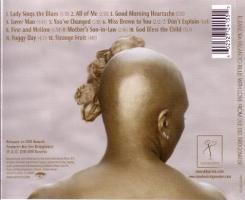
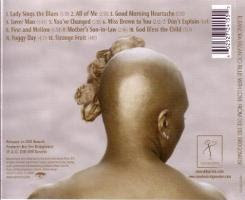
[Lady Sings The Blues]

“Young people take note of this woman’s life,
This woman’s bravery, so you too can learn to stand up,
and not be afraid to speak in your own voice.
Children, stand tall and dare to be a Billie Holiday!”

Dee Dee Bridgewater


[Good Morning Heartache]


[Don't Explain]


[Foggy Day]


[Strange Fruit]


{discover more here}


*Adenda


"Someone's got to have the balls to stand up and say, that's enough. That... is... enough." Printed words do not convey the force accompanying this sentiment from a woman who admits to having once thrown a man across a room.
"We're going to try to unite all the female black jazz-singers," she says, "and make a political stand." Woe betide anyone who tries to oppose her. "When I get really angry, I feel my blood boil, I see red, literally, and then I get physical. Don't mess with my babies, my albums. Don't mess with me. I'll turn into an angry, black 'ghettified' sister who will kick your effing ass."


Today (14/03/11), while perusing through some old papers looking for a poem I wrote some years ago dedicated to Lady Day (still couldn't find it), I came across this flyer for the one and only Dee Dee Bridgewater show I went to see (on May 2002, at the Barbican) so far - and what a show! I was totally immersed in the vibrancy of her strong voice and enthralled by the energy of her scatting: it was the first time I experienced live what I had only heard before on some of Ella Fitzgerald's or Sarah Vaughan's recordings - a woman's voice turned into an instrument, mainly the trumpet, but also, incidentally, the piano, or the bass. I still can feel some of that energy now more than 10 years passed...

Then I went to look up the Net for echoes of that show and found the article from which I've taken the extracts bellow. I was totally unaware of that row about Dianna Krall (and, in passing, Norah Jones) at the time ... and now I must rethink my 'singing her praises', though not necessarily repent because I only dit it once, and half-heartedly at that, namely in a comment posted here, and in a context that I suppose was perfectly understandable (and ... I pray that sista Dee Dee, if she ever reads this, doesn't feel like kicking my effing ass for having mentioning her name alongside Krall's...)!

That context being one, it might be worth noting, in which I was (only mildly and respectfully enough...) making some remarks and suggestions to some Angolan national “jazz pundit” for promoting exclusively white Portuguese jazz musicians’ tours to the country, as can be gathered here… and it just so happens that he recently voiced an overt, sinister, death threat (!) to me, apparently because of it and of my ‘tolerance’ (not even unconditional support…) for some new trends in Angolan contemporary music, such as HIPHOP and Kuduro, basing my position on the darker side of Jazz History as exemplified here… All, as he sees it, against the background of the 27 May 1977 - a political tragedy with clear racist overtones on all sides which caused thousands of victims and has left open, unhealed wounds in the fabric of Angolan society to this day - and on which some of my views vis-a-vis the Marxist theory and practice aluded to by him are expressed on this post and on comments to this one...

Ah! And also, directly or indirectly, because of my stance on issues like this, protagonised by some white blond barbie doll who, funnily enough, recently rose overnight from virtually total obscurity in that country’s media - after a forced retreat caused by an open letter by Angolan citizens accusing her of blatant racism! - thanks to unashamedly aping, for her 'rebirth so-called contemporary dance show', Cassandra Wilson’s “(un)vest”, for lack of a better word, on the cover of her New Moon Daughter album pictured here…

Now, just briefly, about Norah Jones: in the beginning of 2003, a female friend (and in the Angolan context this can be highly relevant: a mixed-race one) in Luanda asked me what I thought about her and I replied, totally absentmindedly and unaware of Dee Dee’s outburst a few months earlier, something like this: look, to be perfectly honest, I don’t know what the fuss around her is all about; her most celebrated song so far seems to be all around something like “don’t know why I didn’t come”, which apparently invokes (unfulfilled) sex… so, if that’s all there is to her success I can’t really figure out where she stands as a jazz singer, writer, or musician…

Another thing that touched me in Dee Dee's outburst was the way in which she used the word antiseptic - I often use the word asseptic (e.g. here) to describe similar cases and contexts... But, above all, it was warming to know of her sisterly allegiance with Cassandra Wilson and other black jazz singers around it at the time... which, in some ways, takes me to this other sort of 'sisterly allegiance' (albeit circumstancial and distant), where it becomes apparent that some people in Angola, somewhere, somehow, and for whatever racially and/or culturally-based reason(s) have been trying (for far too long!) to, to use Dee Dee's word, exterminate me and my work, humble and unconceited as it is...

So, really, these discoveries today made my DAY! And, inDEEd inDEEd, my WOMEN'S MONTH!


Dee Dee Bridgewater is one of those people who is slow to anger, normally exuding the kind of calm associated with green tea, eucalyptus oil and tinkly-binkly music. At the age of 51, her skin is almost unnaturally smooth, and her conversation is low and beguiling, often sinking to a whisper. Her career has included stints with the Thad Jones-Mel Lewis Jazz Orchestra, stage shows about Ella Fitzgerald and Billie Holiday, and forays into pop; a trio of her earlier recordings has recently been reissued. She is delighted with her latest project, an album of Kurt Weill songs, which she will perform tonight at the Barbican. All would seem very well for Ms Bridgewater.

Yet the contented façade barely contains a volcano of rage that she admits she is struggling to keep the lid on. Bridgewater fears that the big record companies are trying to exterminate her and the tradition she represents, to replace them with insipid Barbie dolls with mass-market, lucrative appeal. The idea that jazz singing should be in a frail state may initially seem odd. Aren't the likes of her Verve label-mate Diana Krall and Norah Jones achieving the elusive position of being genuinely popular jazz artists, with posters on billboards and television ad campaigns, just like, well, pop singers? As Bridgewater points out, that achievement does not come without a cost.

"The Diana Krall phenomenon is based on material that's 30 or 40 years old," she says. "The treatment is cold, there's no emotion. It's only working because the jazz has been watered down, it's not abrasive – it's antiseptic." Bridgewater herself is a wonderful interpreter of old standards, although there is a world of difference between her punchy, gutsy style and the pale-honey smooth Krall – you could never accuse Dee Dee of being antiseptic. But there is more than just a difference of stylistic opinion here. "This is the era of the white female jazz singer," she says. "Even though jazz singing has traditionally been associated with the black female voice, it has never been at the elimination of the white female singer. Why, all of a sudden, are we supposed to be eliminated because the labels are scrambling to find their own Diana Krall wannabes? It's upsetting and frightening."

There's nothing grey about Dee Dee, or her contemporary Cassandra Wilson, both of whom search for the individual rather than a lower common-denominator. They resist the pressure to make radio-friendly recordings, and as a result, feel their music is not being treated seriously by an industry looking for a fast, sizeable return. "We were both in New York," says Dee Dee, "and Cassandra said, 'I can't get anybody interested in my projects, they keep putting Krall's name in my face. What are we supposed to do? Look at us, we've got our dreadlocks!'"

This is happening not only in America, but also in France, until recently Bridgewater's adopted home. "I've always employed French musicians, I've been burned for taking them to New York. But I can't get any reviews in French jazz papers. They've decided that Diana Krall is the beginning, the end and the in-between. To have the French jazz community turn its back on me because they've got some blonde, blue-eyed chick that can sing halfway decent and can play the piano – I'm livid."

She is determined that her anger will not make her bitter, though. A solution is forming in her mind. "Someone's got to have the balls to stand up and say, that's enough. That... is... enough." Printed words do not convey the force accompanying this sentiment from a woman who admits to having once thrown a man across a room.
"We're going to try to unite all the female black jazz-singers," she says, "and make a political stand." Woe betide anyone who tries to oppose her. "When I get really angry, I feel my blood boil, I see red, literally, and then I get physical. Don't mess with my babies, my albums. Don't mess with me. I'll turn into an angry, black 'ghettified' sister who will kick your effing ass."

"I always felt that I had to scat, to be another musician" – in her case, a trumpeter. "My father was, my first husband was, I had a boyfriend who was. Dizzy, Miles, Clark Terry – all my heroes were trumpeters." Now she is happy to concentrate on the lyric. "I thought, why don't I just sing the whole song, which I haven't done for years because I've been working so hard on getting my scatting to a level where I felt I was really being an instrument."

This is her route now. Bored by standards, which she says she might return to when she's 60 but not before, Weill has opened up a new vista for her; she's even contemplating resuscitating some of his operas. Her record company would do well to realise what a prodigious talent it has in Dee Dee Bridgewater – an artist worth a hundred Diana Kralls. If they don't, she will certainly be off – but not before she's kicked their effing asses.


{extracted from here}


Related posts:

Happy Hour!!!

A Minha Patria Nao E' a Lingua Portuguesa


[Lady Sings The Blues]

“Young people take note of this woman’s life,
This woman’s bravery, so you too can learn to stand up,
and not be afraid to speak in your own voice.
Children, stand tall and dare to be a Billie Holiday!”

Dee Dee Bridgewater


[Good Morning Heartache]


[Don't Explain]


[Foggy Day]


[Strange Fruit]


{discover more here}


*Adenda


"Someone's got to have the balls to stand up and say, that's enough. That... is... enough." Printed words do not convey the force accompanying this sentiment from a woman who admits to having once thrown a man across a room.
"We're going to try to unite all the female black jazz-singers," she says, "and make a political stand." Woe betide anyone who tries to oppose her. "When I get really angry, I feel my blood boil, I see red, literally, and then I get physical. Don't mess with my babies, my albums. Don't mess with me. I'll turn into an angry, black 'ghettified' sister who will kick your effing ass."


Today (14/03/11), while perusing through some old papers looking for a poem I wrote some years ago dedicated to Lady Day (still couldn't find it), I came across this flyer for the one and only Dee Dee Bridgewater show I went to see (on May 2002, at the Barbican) so far - and what a show! I was totally immersed in the vibrancy of her strong voice and enthralled by the energy of her scatting: it was the first time I experienced live what I had only heard before on some of Ella Fitzgerald's or Sarah Vaughan's recordings - a woman's voice turned into an instrument, mainly the trumpet, but also, incidentally, the piano, or the bass. I still can feel some of that energy now more than 10 years passed...

Then I went to look up the Net for echoes of that show and found the article from which I've taken the extracts bellow. I was totally unaware of that row about Dianna Krall (and, in passing, Norah Jones) at the time ... and now I must rethink my 'singing her praises', though not necessarily repent because I only dit it once, and half-heartedly at that, namely in a comment posted here, and in a context that I suppose was perfectly understandable (and ... I pray that sista Dee Dee, if she ever reads this, doesn't feel like kicking my effing ass for having mentioning her name alongside Krall's...)!

That context being one, it might be worth noting, in which I was (only mildly and respectfully enough...) making some remarks and suggestions to some Angolan national “jazz pundit” for promoting exclusively white Portuguese jazz musicians’ tours to the country, as can be gathered here… and it just so happens that he recently voiced an overt, sinister, death threat (!) to me, apparently because of it and of my ‘tolerance’ (not even unconditional support…) for some new trends in Angolan contemporary music, such as HIPHOP and Kuduro, basing my position on the darker side of Jazz History as exemplified here… All, as he sees it, against the background of the 27 May 1977 - a political tragedy with clear racist overtones on all sides which caused thousands of victims and has left open, unhealed wounds in the fabric of Angolan society to this day - and on which some of my views vis-a-vis the Marxist theory and practice aluded to by him are expressed on this post and on comments to this one...

Ah! And also, directly or indirectly, because of my stance on issues like this, protagonised by some white blond barbie doll who, funnily enough, recently rose overnight from virtually total obscurity in that country’s media - after a forced retreat caused by an open letter by Angolan citizens accusing her of blatant racism! - thanks to unashamedly aping, for her 'rebirth so-called contemporary dance show', Cassandra Wilson’s “(un)vest”, for lack of a better word, on the cover of her New Moon Daughter album pictured here…

Now, just briefly, about Norah Jones: in the beginning of 2003, a female friend (and in the Angolan context this can be highly relevant: a mixed-race one) in Luanda asked me what I thought about her and I replied, totally absentmindedly and unaware of Dee Dee’s outburst a few months earlier, something like this: look, to be perfectly honest, I don’t know what the fuss around her is all about; her most celebrated song so far seems to be all around something like “don’t know why I didn’t come”, which apparently invokes (unfulfilled) sex… so, if that’s all there is to her success I can’t really figure out where she stands as a jazz singer, writer, or musician…

Another thing that touched me in Dee Dee's outburst was the way in which she used the word antiseptic - I often use the word asseptic (e.g. here) to describe similar cases and contexts... But, above all, it was warming to know of her sisterly allegiance with Cassandra Wilson and other black jazz singers around it at the time... which, in some ways, takes me to this other sort of 'sisterly allegiance' (albeit circumstancial and distant), where it becomes apparent that some people in Angola, somewhere, somehow, and for whatever racially and/or culturally-based reason(s) have been trying (for far too long!) to, to use Dee Dee's word, exterminate me and my work, humble and unconceited as it is...

So, really, these discoveries today made my DAY! And, inDEEd inDEEd, my WOMEN'S MONTH!


Dee Dee Bridgewater is one of those people who is slow to anger, normally exuding the kind of calm associated with green tea, eucalyptus oil and tinkly-binkly music. At the age of 51, her skin is almost unnaturally smooth, and her conversation is low and beguiling, often sinking to a whisper. Her career has included stints with the Thad Jones-Mel Lewis Jazz Orchestra, stage shows about Ella Fitzgerald and Billie Holiday, and forays into pop; a trio of her earlier recordings has recently been reissued. She is delighted with her latest project, an album of Kurt Weill songs, which she will perform tonight at the Barbican. All would seem very well for Ms Bridgewater.

Yet the contented façade barely contains a volcano of rage that she admits she is struggling to keep the lid on. Bridgewater fears that the big record companies are trying to exterminate her and the tradition she represents, to replace them with insipid Barbie dolls with mass-market, lucrative appeal. The idea that jazz singing should be in a frail state may initially seem odd. Aren't the likes of her Verve label-mate Diana Krall and Norah Jones achieving the elusive position of being genuinely popular jazz artists, with posters on billboards and television ad campaigns, just like, well, pop singers? As Bridgewater points out, that achievement does not come without a cost.

"The Diana Krall phenomenon is based on material that's 30 or 40 years old," she says. "The treatment is cold, there's no emotion. It's only working because the jazz has been watered down, it's not abrasive – it's antiseptic." Bridgewater herself is a wonderful interpreter of old standards, although there is a world of difference between her punchy, gutsy style and the pale-honey smooth Krall – you could never accuse Dee Dee of being antiseptic. But there is more than just a difference of stylistic opinion here. "This is the era of the white female jazz singer," she says. "Even though jazz singing has traditionally been associated with the black female voice, it has never been at the elimination of the white female singer. Why, all of a sudden, are we supposed to be eliminated because the labels are scrambling to find their own Diana Krall wannabes? It's upsetting and frightening."

There's nothing grey about Dee Dee, or her contemporary Cassandra Wilson, both of whom search for the individual rather than a lower common-denominator. They resist the pressure to make radio-friendly recordings, and as a result, feel their music is not being treated seriously by an industry looking for a fast, sizeable return. "We were both in New York," says Dee Dee, "and Cassandra said, 'I can't get anybody interested in my projects, they keep putting Krall's name in my face. What are we supposed to do? Look at us, we've got our dreadlocks!'"

This is happening not only in America, but also in France, until recently Bridgewater's adopted home. "I've always employed French musicians, I've been burned for taking them to New York. But I can't get any reviews in French jazz papers. They've decided that Diana Krall is the beginning, the end and the in-between. To have the French jazz community turn its back on me because they've got some blonde, blue-eyed chick that can sing halfway decent and can play the piano – I'm livid."

She is determined that her anger will not make her bitter, though. A solution is forming in her mind. "Someone's got to have the balls to stand up and say, that's enough. That... is... enough." Printed words do not convey the force accompanying this sentiment from a woman who admits to having once thrown a man across a room.
"We're going to try to unite all the female black jazz-singers," she says, "and make a political stand." Woe betide anyone who tries to oppose her. "When I get really angry, I feel my blood boil, I see red, literally, and then I get physical. Don't mess with my babies, my albums. Don't mess with me. I'll turn into an angry, black 'ghettified' sister who will kick your effing ass."

"I always felt that I had to scat, to be another musician" – in her case, a trumpeter. "My father was, my first husband was, I had a boyfriend who was. Dizzy, Miles, Clark Terry – all my heroes were trumpeters." Now she is happy to concentrate on the lyric. "I thought, why don't I just sing the whole song, which I haven't done for years because I've been working so hard on getting my scatting to a level where I felt I was really being an instrument."

This is her route now. Bored by standards, which she says she might return to when she's 60 but not before, Weill has opened up a new vista for her; she's even contemplating resuscitating some of his operas. Her record company would do well to realise what a prodigious talent it has in Dee Dee Bridgewater – an artist worth a hundred Diana Kralls. If they don't, she will certainly be off – but not before she's kicked their effing asses.


{extracted from here}


Related posts:

Happy Hour!!!

A Minha Patria Nao E' a Lingua Portuguesa


Wednesday, 20 October 2010

Dama de Xangai pra presidencia - ja'! ... [R]*


O BD (a.k.a. Banda Desenhada) ke komece ja' a kampanha se ker ganhar as proximas eleicoes!

E' k'essa Dama de Xangai ai' e' ke' memo a unika pura mwangole' ex-mumuila kachokwe' ginwina e autentika dos kwatro kostado (ancestrais dela intao -os pais, os quatro avós, os oito bisavós e os dezasseis trisavós- sao mbora todos nados, vividos, mortos e enterrados nas Lunda) kwale la' kara de pau, kwale ke'?! E ela memo e' ki pika! Essa pobre e insiguinifikante kriatura da Dama Pikante e' melhor le rejeitarem ja'ja', maze' me'!! K'isto num e' pra kem ker, nem pra kem merece, mas so' pra kem p(h)ode!!!

Ela memo, ekonomista kos xinoka le kuiam bwe', e' ki sabe kem ke konstruiu os predio mas alto e mas pikagudo do mundo - kwale la' Kollier kwale ke'!!!

Essa ai' intao e' kritika do sistema a prova de bala, espinafre e kizaka: e' kadera de eskritorio la' no p(h)oder ha' 33 anos mas so' agora e' ke'sta' sair da klandistinidade e do seu cirkulo restrito e esta' se dar de ovelha negra kontestataria, xe' num brinka!

Essa dama ai' intao e' ke' estoriadora das supremacia das preta afrikana anglofonas, reporter, jornalista e analista, advogada da paz, kampia da demokracia multipartidaria e apoiante e kontribuinte da primera hora da liberdade de imprensa e dos paskim e membro do komite' da especialidade dos kuribota e ki konhece Angola de Kabinda kate' no Kunene e Afrika do Kabo kate' no Kairo e e' ke ta' por ordem no cirko jornalistiko da banda (desenhada), kwale la' karapau de korrida do p(h)oder kwale ke'! - e ja' xta' na kalha pro proximo Maboke, e anssim ke ja' foi no das Aguas Lusofonas s'infeita' pra le didika' so' la' mbora tambem um buke e nos otro leaos do p(h)oder dela de num le rejeitarem so' e irem so' tambem le lutar em publiko e le pintar kwadro do Tchibinda, e anssim tambem ke foi se akoplar de amiga na ex-komadre da Kalu Pura, agora ta' ir faze' Opa hostil no Roger Rabbit pra le kobra pagamento de le por so' la' mbora tambem na lista dos blog faz favor pa'! Ara xissa o' me'!!!

Pruke ela num e' krapula nem pirigoiza ki nem eskorpiao nem kobra surukuku nem kaskavel nao, aliais kate' ke' muito p(h)oderoiza, afektuoiza, espirituoiza e talentoiza, num e' gorda toska mais sim ilegante kum korpo de violino semi-nu milhor ke o dakela Titika Vomitosa Monstruosa de Merda, mais koberto kum chokolate e kate' usa kolera dos dono do p(h)oder memo anssim ki num e' kadela ki ladra no jornalismo dos kao, num xera katinga nem nada, nem e' kabungada nao senhor (e' dotoranda dos korpo e dos xero e uniko membro dos conselho mundial da danca da Unesku, xe'! E e' tambem mestra dos kabare' de Paris e perita dos kavalo, xe'!) e eh ke' experta da Kalas e dos komba da Kleopatra e de todas musika klassika dos Puxini e mae da danca kontemporanea em Afrika e koreografa-em-chefe do KAN - kwale la' semba, kizomba, kuduro, kwale ke'?!

E tambem e' do morro e num e' banana podre nao, e kum tantos premio pekuniario kum patrocinio do p(h)oder e kum seus kilapie' de kompania de danca kontemporanea privada, privativa, ixklusiva e monopolista de unika e verdadera ikone da danca afrikana e das koreografia dos kan-kan e das maskara, tem bwe' de kumbu e furtuna sim senhor, kem disse ke nao?! kwale la' rika kada vez mas rika e pobre kada vez mas pobre? kwale la' fraude? kwale la'?! Os kaos ladram e a karavana passa, me'... - sinao ela mas os kamba dela do p(h)oder vao so' le por so' la' otra vez kuzu e le tramar a katanada intao e l'interrar so' no saku ue'! Ta' brincar o' ke'? Kwale la' paranoia, kwale la' eskizofrenia, kwale la' psikopatia kwale ke'?!

Essa dama intao ai e' ke' unika e verdadeira kritika literaria, inteleketual e fiminista da eskerda e da direita kontemporanea a prova de bala, espinafre e kizaka, ke sabe tudo das kota do genero sem pricisa' danca o do milindro e num e' nenhuma kriada ke esmola gazoza em dolar ke nem sukata barata do muceke, nem e' saku de pankadaria de mao em mao, nao sinhor! E ate' pruke ja' viu e ja' konto' tudo ke esta' pru baxo dos pano das preta mama das danca kachokwe' - kwale la' ciume, kwale inveja, kwale raiva kwale ke'?!

Kredo! Si as outras preta bizuga santolas patetas alegre das rossa de kakao kate' ke ja' les deram logo logo kuluna kativa nos paskim dos kriolo kuribotas so' pra irem se maguelar e debikar no prato do blog da Kalu Pura e depois le pizar... ufff ...e le kuspir encima... ufff ... e inda pru cima se auto-promoverem e encherem os poket, pruke k'ela ke' dona e mae kalibrada dessa arte bakoka na blogosfera e (de)mais alem e kate' foi la' no blog da Kalu Pura buska' ngunza pra ressuscita do dia pra noite a tar kompania ki ja' andava morrida ha mas de dez ano e e' experta de debitar patetice e inda pru cima e' puro kahombo ki pika kum xidi e dondoka kum kimBUNDAria esperancosa, mataku ki xega e ki basta, kostas larga, luvas e ingles a kondizer, e memo toda anorexika ou bulimika ou ke' la' e kum akelas keixada e dentussa de kavalgadura anda toda axada ke' Jessika Rabbit bwe' irrisistivel e e' uniko item ke num merece ser abortado nem se suicida' em grande estilo, num estao a le dar so' la' nada pruke?! Xtao so' a le faze' sobra' atoa pruke?! Aka!!!

Num pode! E' so' porke' branka ne'? E' diskriminacao racika, ne'?! Temo ke defender o ke' nosso, ara xissa ome'! Pruke' promove' uns e nao os otro? Num podem ser sempre os mesmo a binificiar pa'! Kwale la' luta, kwale la' konkista kwale ke'? E' memo so' direto natural de nascencia da propria dama, me'! Temo memo ki faze kampanha, pa', k'esse mundo e' dos esperto e kamarao ki dorme a onda leva! Kwale la' subitileza, kwale la' eskrupulo, kwale la' ridikulo kwale ke'?! Kem num xora num mama, xe'!... Ir la' na Muxima xora' so' um koxito no ritimo do papa bento do kuduro krispado num vai, mas akridita ki o deus dela e' p(h)oderoizo... xe'... Ja' viram?!


... "E' 'Miss Xuva' O' Ke'?!" ...


E' kobra o' ke'?!


E' jiboia!!!


Porraaaaa!!!!!!!


{E nois aki, ex-mwangoles monstruosos bem kolokados nus nosso lugar, kate' ke ja' xtamos hilariantemente a se morder e a morrer so' d'inveja da retumbante viktoria ke se anuncia!!!... E' De-Maaaaaiiiis neinh?!}


*[First posted 27/09/10]


O BD (a.k.a. Banda Desenhada) ke komece ja' a kampanha se ker ganhar as proximas eleicoes!

E' k'essa Dama de Xangai ai' e' ke' memo a unika pura mwangole' ex-mumuila kachokwe' ginwina e autentika dos kwatro kostado (ancestrais dela intao -os pais, os quatro avós, os oito bisavós e os dezasseis trisavós- sao mbora todos nados, vividos, mortos e enterrados nas Lunda) kwale la' kara de pau, kwale ke'?! E ela memo e' ki pika! Essa pobre e insiguinifikante kriatura da Dama Pikante e' melhor le rejeitarem ja'ja', maze' me'!! K'isto num e' pra kem ker, nem pra kem merece, mas so' pra kem p(h)ode!!!

Ela memo, ekonomista kos xinoka le kuiam bwe', e' ki sabe kem ke konstruiu os predio mas alto e mas pikagudo do mundo - kwale la' Kollier kwale ke'!!!

Essa ai' intao e' kritika do sistema a prova de bala, espinafre e kizaka: e' kadera de eskritorio la' no p(h)oder ha' 33 anos mas so' agora e' ke'sta' sair da klandistinidade e do seu cirkulo restrito e esta' se dar de ovelha negra kontestataria, xe' num brinka!

Essa dama ai' intao e' ke' estoriadora das supremacia das preta afrikana anglofonas, reporter, jornalista e analista, advogada da paz, kampia da demokracia multipartidaria e apoiante e kontribuinte da primera hora da liberdade de imprensa e dos paskim e membro do komite' da especialidade dos kuribota e ki konhece Angola de Kabinda kate' no Kunene e Afrika do Kabo kate' no Kairo e e' ke ta' por ordem no cirko jornalistiko da banda (desenhada), kwale la' karapau de korrida do p(h)oder kwale ke'! - e ja' xta' na kalha pro proximo Maboke, e anssim ke ja' foi no das Aguas Lusofonas s'infeita' pra le didika' so' la' mbora tambem um buke e nos otro leaos do p(h)oder dela de num le rejeitarem so' e irem so' tambem le lutar em publiko e le pintar kwadro do Tchibinda, e anssim tambem ke foi se akoplar de amiga na ex-komadre da Kalu Pura, agora ta' ir faze' Opa hostil no Roger Rabbit pra le kobra pagamento de le por so' la' mbora tambem na lista dos blog faz favor pa'! Ara xissa o' me'!!!

Pruke ela num e' krapula nem pirigoiza ki nem eskorpiao nem kobra surukuku nem kaskavel nao, aliais kate' ke' muito p(h)oderoiza, afektuoiza, espirituoiza e talentoiza, num e' gorda toska mais sim ilegante kum korpo de violino semi-nu milhor ke o dakela Titika Vomitosa Monstruosa de Merda, mais koberto kum chokolate e kate' usa kolera dos dono do p(h)oder memo anssim ki num e' kadela ki ladra no jornalismo dos kao, num xera katinga nem nada, nem e' kabungada nao senhor (e' dotoranda dos korpo e dos xero e uniko membro dos conselho mundial da danca da Unesku, xe'! E e' tambem mestra dos kabare' de Paris e perita dos kavalo, xe'!) e eh ke' experta da Kalas e dos komba da Kleopatra e de todas musika klassika dos Puxini e mae da danca kontemporanea em Afrika e koreografa-em-chefe do KAN - kwale la' semba, kizomba, kuduro, kwale ke'?!

E tambem e' do morro e num e' banana podre nao, e kum tantos premio pekuniario kum patrocinio do p(h)oder e kum seus kilapie' de kompania de danca kontemporanea privada, privativa, ixklusiva e monopolista de unika e verdadera ikone da danca afrikana e das koreografia dos kan-kan e das maskara, tem bwe' de kumbu e furtuna sim senhor, kem disse ke nao?! kwale la' rika kada vez mas rika e pobre kada vez mas pobre? kwale la' fraude? kwale la'?! Os kaos ladram e a karavana passa, me'... - sinao ela mas os kamba dela do p(h)oder vao so' le por so' la' otra vez kuzu e le tramar a katanada intao e l'interrar so' no saku ue'! Ta' brincar o' ke'? Kwale la' paranoia, kwale la' eskizofrenia, kwale la' psikopatia kwale ke'?!

Essa dama intao ai e' ke' unika e verdadeira kritika literaria, inteleketual e fiminista da eskerda e da direita kontemporanea a prova de bala, espinafre e kizaka, ke sabe tudo das kota do genero sem pricisa' danca o do milindro e num e' nenhuma kriada ke esmola gazoza em dolar ke nem sukata barata do muceke, nem e' saku de pankadaria de mao em mao, nao sinhor! E ate' pruke ja' viu e ja' konto' tudo ke esta' pru baxo dos pano das preta mama das danca kachokwe' - kwale la' ciume, kwale inveja, kwale raiva kwale ke'?!

Kredo! Si as outras preta bizuga santolas patetas alegre das rossa de kakao kate' ke ja' les deram logo logo kuluna kativa nos paskim dos kriolo kuribotas so' pra irem se maguelar e debikar no prato do blog da Kalu Pura e depois le pizar... ufff ...e le kuspir encima... ufff ... e inda pru cima se auto-promoverem e encherem os poket, pruke k'ela ke' dona e mae kalibrada dessa arte bakoka na blogosfera e (de)mais alem e kate' foi la' no blog da Kalu Pura buska' ngunza pra ressuscita do dia pra noite a tar kompania ki ja' andava morrida ha mas de dez ano e e' experta de debitar patetice e inda pru cima e' puro kahombo ki pika kum xidi e dondoka kum kimBUNDAria esperancosa, mataku ki xega e ki basta, kostas larga, luvas e ingles a kondizer, e memo toda anorexika ou bulimika ou ke' la' e kum akelas keixada e dentussa de kavalgadura anda toda axada ke' Jessika Rabbit bwe' irrisistivel e e' uniko item ke num merece ser abortado nem se suicida' em grande estilo, num estao a le dar so' la' nada pruke?! Xtao so' a le faze' sobra' atoa pruke?! Aka!!!

Num pode! E' so' porke' branka ne'? E' diskriminacao racika, ne'?! Temo ke defender o ke' nosso, ara xissa ome'! Pruke' promove' uns e nao os otro? Num podem ser sempre os mesmo a binificiar pa'! Kwale la' luta, kwale la' konkista kwale ke'? E' memo so' direto natural de nascencia da propria dama, me'! Temo memo ki faze kampanha, pa', k'esse mundo e' dos esperto e kamarao ki dorme a onda leva! Kwale la' subitileza, kwale la' eskrupulo, kwale la' ridikulo kwale ke'?! Kem num xora num mama, xe'!... Ir la' na Muxima xora' so' um koxito no ritimo do papa bento do kuduro krispado num vai, mas akridita ki o deus dela e' p(h)oderoizo... xe'... Ja' viram?!


... "E' 'Miss Xuva' O' Ke'?!" ...


E' kobra o' ke'?!


E' jiboia!!!


Porraaaaa!!!!!!!


{E nois aki, ex-mwangoles monstruosos bem kolokados nus nosso lugar, kate' ke ja' xtamos hilariantemente a se morder e a morrer so' d'inveja da retumbante viktoria ke se anuncia!!!... E' De-Maaaaaiiiis neinh?!}


*[First posted 27/09/10]


Friday, 2 July 2010

Meio Ano Adentro no Annus Angolensis...


Ordem no circo musical da banda

Depois de termos aqui, muito recentemente, manifestado a nossa "intolerância" em relação ao kuduro, num apontamento dedicado ao sublime projecto Kapossoka, Ismael Mateus juntou-se a nós com o seu Voto na Matéria para colocar a necessária ordem no nosso circo musical. Fê-lo esta semana no SA de forma magistral. "Somos muito mais do que uns gritos ao microfone, uns acordes de sintetizador e uns coros desafinados. Valemos muito mais do que isso e temos mais riqueza cultural do que isso"- assim escreveu IM. Plenamente de acordo nesta discordância com a promoção do tal de kuduro como sendo a nossa nova bandeira. Não é nada disso, camaradas!

Reginaldo Silva, Aqui


Uma estranha obsessão oficial pelo kuduro

Temos assistido a manifestações particulares de apoio ao kuduro feitas por figuras do Estado e de grande representação politica nacional. Não há, obviamente, nada contra isso. Cada um gosta e ouve o que quiser. Temos, porém, já mais reservas quando começamos a ouvir tantas palavras oficiais de incentivo a esse género musical. A comissária de Angola na Expo Shangai, Albina Assis, fez um rasgado elogio ao kuduro como música angolana do momento, justificando a opção de o levado àquele palco de amostra da cultura angolana. O adido cultural de Angola no Brasil idem aspas ,falando do que realmente mais ‹‹se vende›› de música angolana naquele país. Temos também assistido a uma certa cumplicidade ‹‹oficial›› do ministério da Cultura, de críticos e sobretudo dos canais de televisão do Estado. (…) Mais do que os receios da entronizaçao do semba como símbolo único da música angolana, estamos hoje perante algo maior que é a vulgarização consumista da música angolana. Sentimos nas estaçoes públicas de rádio e de televisao e nos meios de decisao oficial uma tendência para o descompromisso com a cultura angolana, o que nos deixa verdadeiramente preocupados.

Ismael Mateus, in SA#373


Posts Relacionados:

Annus Angolensis

Coisas do Arco da Velha

Kuduro no FT

Angola: Tema para Debate

Casa da Musica

E, com a devida venia ao amigo Fernando Ribeiro de A Materia do Tempo:

Kuduro


Kamussekele [Dog Murras, feat. Bonga]

Ordem no circo musical da banda

Depois de termos aqui, muito recentemente, manifestado a nossa "intolerância" em relação ao kuduro, num apontamento dedicado ao sublime projecto Kapossoka, Ismael Mateus juntou-se a nós com o seu Voto na Matéria para colocar a necessária ordem no nosso circo musical. Fê-lo esta semana no SA de forma magistral. "Somos muito mais do que uns gritos ao microfone, uns acordes de sintetizador e uns coros desafinados. Valemos muito mais do que isso e temos mais riqueza cultural do que isso"- assim escreveu IM. Plenamente de acordo nesta discordância com a promoção do tal de kuduro como sendo a nossa nova bandeira. Não é nada disso, camaradas!

Reginaldo Silva, Aqui


Uma estranha obsessão oficial pelo kuduro

Temos assistido a manifestações particulares de apoio ao kuduro feitas por figuras do Estado e de grande representação politica nacional. Não há, obviamente, nada contra isso. Cada um gosta e ouve o que quiser. Temos, porém, já mais reservas quando começamos a ouvir tantas palavras oficiais de incentivo a esse género musical. A comissária de Angola na Expo Shangai, Albina Assis, fez um rasgado elogio ao kuduro como música angolana do momento, justificando a opção de o levado àquele palco de amostra da cultura angolana. O adido cultural de Angola no Brasil idem aspas ,falando do que realmente mais ‹‹se vende›› de música angolana naquele país. Temos também assistido a uma certa cumplicidade ‹‹oficial›› do ministério da Cultura, de críticos e sobretudo dos canais de televisão do Estado. (…) Mais do que os receios da entronizaçao do semba como símbolo único da música angolana, estamos hoje perante algo maior que é a vulgarização consumista da música angolana. Sentimos nas estaçoes públicas de rádio e de televisao e nos meios de decisao oficial uma tendência para o descompromisso com a cultura angolana, o que nos deixa verdadeiramente preocupados.

Ismael Mateus, in SA#373


Posts Relacionados:

Annus Angolensis

Coisas do Arco da Velha

Kuduro no FT

Angola: Tema para Debate

Casa da Musica

E, com a devida venia ao amigo Fernando Ribeiro de A Materia do Tempo:

Kuduro


Kamussekele [Dog Murras, feat. Bonga]

Monday, 9 November 2009

Coisas do Arco da Velha... (R)*


Repostado a proposito de "(...) precisamos de ir para além do semba, do kizomba e do kú-duro, pois só assim progrediremos...", "bundas obsceno-populares vs. klassico-kulturais", "vulgares contraccoes pelvicas" e outras intelectualisses deste genero... ou, mais ainda, deste:

"A onda em si mesma não me parece grave; grave afigura-se-me o apoio de sectores que deveriam ter algum cuidado e o paternalismo com que a onda tem sido acarinhada e promovida a patamares preocupantes. As pessoas sem memória são como navegadores sem bússola. Trata-se das piores maldições que existem. Em 1974, 1975 e 1976, para silenciar um grupo de intelectuais descontentes, um esforçado mas modesto professor primário foi promovido a Teórico do Marxismo, mas deixar-nos-ia em 1977."

[Jeronimo Belo ao NJ, sobre a "actual onda de Kuduro" - 2011]


DE RIR... DE CHORAR... OU SIMPLESMENTE DE BRADAR AOS CEUS?! (Ignorar e' dificil...)

Encontrei hoje no interessante blog "
Jazz no Pais do Improviso" este "achado pre-historico", para cuja reproducao aqui agradeco desde ja a compreensao do JNPDI, porque acho que estas coisas devem ser divulgadas o mais possivel para que, efectivamente, "a Historia nao se repita":


"PARA QUE A HISTÓRIA NÃO SE REPITA... ...aqui ficam algumas das condições que o Ministério da Educação Popular definiu, durante o Governo de Hitler, para a atribuição de licenças para espectáculos de música de dança.


DEPARTMENT OF POPULAR EDUCATION AND ART
Conditions Governing the Grant of Licenses for Dance Music

NEGROID: Belonging to a Negro race. This includes the African Negroes (and also those living outside of Africa), also Pygmies, Bushmen and Hottentots. NEGRITO: In the wider sense of the term, the short-statured, curly or frizzy-haired, dark-skinned inhabitants of Southeastern Asia, Melanesia and Central Africa.


1. Music: The Embargo on Negroid and Negrito Factors in dance Music and Music for Entertainments.

2. Introduction: The following regulations are intended to indicate the revival of the European spirit in the music played in this country for dances and amusements, by freeing the latter from the elements of that primitive Negroid and/or Negrito music, which may be justly regarded as being in flagrant conflict with the Europeon conception of music. These regulations constitute a transitory measure born of practical considerations and which must of necessity precede a general revival.

3. Prohibition: It is forbidden to play in public music which possesses to a marked degree characteristic features of the method of improvisation, execution, composition and arrangement adopted by Negroes and colored people. It is forbidden in publications, reports, programs, printed or verbal announcements, etc.: (a) to describe music played or to be played with the words "jazz" or "jazz music." (b) to use the technical jargon described below, except in reference to or as a description of the instrumental and vocal dance music of the North American Negroes. Exceptions may Be permitted where such music is intended for a strictly scientific or strictly educational purpose and where such music is interpreted by persons having two or more Negroid or Negritic grandparents.

4. Descripton of The Main Characteristic Features of the Above-Mentioned Music which Differ from the European Conception of Music: The use of tonally undefined mordents, Ostentatious trills, double-stopping or ascendant glissandi, obtained in the Negro style by excessive vibrato, lip technique and/or shaking of the musical instrument. In jazz terminology, the effects known as "dinge," "smear" and "whip." Also the use of intentional vocalization of an instrumental tone by imitating a throaty sound. In jazz terminology, the adoption of the "growl" on brass wind instruments, and also the "scratchy" clarinet tone. Also the use of any intentional instrumentalization of the singing voice by substituting senseless syllables for the words in the text by "metalizing" the voice. In jazz terminology, so-called "scat" singing and the vocal imitation of brass wind instruments. Also the use in Negro fashion of harshly timbered and harshly dynamic intonations unless already described. In jazz terminology, the use of "hot" intonations. Also the use in Negro fashion of dampers on brass and woodwind instruments in which the formation of the tone is achieved in solo items with more than the normal pressure. This does not apply to saxophones or trombones. Likewise forbidden, in the melody, is any melody formed in the manner characteristic of Negro players, and which can be unmistakably recognized.

5. Expressly Forbidden: The adoption in Negro fashion of short motifs of exaggerated pitch and rhythm, repeated more than three times without interruption by a solo instrument (or soloist), or more than sixteen times in succession without interruption by a group of instruments played by a band. In jazz terminology, any adoption of "licks" and "riffs" repeated more than three times in succession by a soloist or more than sixteen times for one section or for two or more sections. Also the exaggeration of Negroid bass forms, based on the broken tritone. In jazz terminology, the "boogie-woogie," "honky tonk" or "barrelhouse" style.

6. Instruments Banned: Use of very primitive instruments such as the Cuban Negro "quijada" (jaw of a donkey) and the North American Negro "washboard." Also the use of rubber mutes (plungers) for wind brass instruments, the imitation of a throaty tone in the use of mutes which, whether accompanied by any special movement of the hand or not, effect an imitation of a nasal sound. In jazz terminology, use of "plungers" and "Wah Wah" dampers. The so-called "tone color" mutes may, however, be used. Also the playing in Negro fashion of long, drawn-out percussion solos or an imitation thereof for more than two or four three-time beats, more frequently than three times or twice in the course of 32 successive beats in a complete interpretation. In jazz terminology, "stop choruses" by percussion instruments, except brass cymbals. There is no objection to providing a chorus with percussion solos in places where a break could also come, but at not more than three such places. Also the use of a constant, long drawn-out exaggerated tonal emphasis on the second and fourth beats in 4/4 time. In jazz terminology, the use of the long drawn-out "off beat" effect."

Ilustracao: Dancing in a Shebeen (Zantsi, AVA Collection - SA)

*[First posted 11/01/07]


Repostado a proposito de "(...) precisamos de ir para além do semba, do kizomba e do kú-duro, pois só assim progrediremos...", "bundas obsceno-populares vs. klassico-kulturais", "vulgares contraccoes pelvicas" e outras intelectualisses
deste genero... ou, mais ainda, deste:

"A onda em si mesma não me parece grave; grave afigura-se-me o apoio de sectores que deveriam ter algum cuidado e o paternalismo com que a onda tem sido acarinhada e promovida a patamares preocupantes. As pessoas sem memória são como navegadores sem bússola. Trata-se das piores maldições que existem. Em 1974, 1975 e 1976, para silenciar um grupo de intelectuais descontentes, um esforçado mas modesto professor primário foi promovido a Teórico do Marxismo, mas deixar-nos-ia em 1977."

[Jeronimo Belo ao NJ, sobre a "actual onda de Kuduro" - 2011]


DE RIR... DE CHORAR... OU SIMPLESMENTE DE BRADAR AOS CEUS?! (Ignorar e' dificil...)

Encontrei hoje no interessante blog "
Jazz no Pais do Improviso" este "achado pre-historico", para cuja reproducao aqui agradeco desde ja a compreensao do JNPDI, porque acho que estas coisas devem ser divulgadas o mais possivel para que, efectivamente, "a Historia nao se repita":


"PARA QUE A HISTÓRIA NÃO SE REPITA... ...aqui ficam algumas das condições que o Ministério da Educação Popular definiu, durante o Governo de Hitler, para a atribuição de licenças para espectáculos de música de dança.


DEPARTMENT OF POPULAR EDUCATION AND ART
Conditions Governing the Grant of Licenses for Dance Music

NEGROID: Belonging to a Negro race. This includes the African Negroes (and also those living outside of Africa), also Pygmies, Bushmen and Hottentots. NEGRITO: In the wider sense of the term, the short-statured, curly or frizzy-haired, dark-skinned inhabitants of Southeastern Asia, Melanesia and Central Africa.


1. Music: The Embargo on Negroid and Negrito Factors in dance Music and Music for Entertainments.

2. Introduction: The following regulations are intended to indicate the revival of the European spirit in the music played in this country for dances and amusements, by freeing the latter from the elements of that primitive Negroid and/or Negrito music, which may be justly regarded as being in flagrant conflict with the Europeon conception of music. These regulations constitute a transitory measure born of practical considerations and which must of necessity precede a general revival.

3. Prohibition: It is forbidden to play in public music which possesses to a marked degree characteristic features of the method of improvisation, execution, composition and arrangement adopted by Negroes and colored people. It is forbidden in publications, reports, programs, printed or verbal announcements, etc.: (a) to describe music played or to be played with the words "jazz" or "jazz music." (b) to use the technical jargon described below, except in reference to or as a description of the instrumental and vocal dance music of the North American Negroes. Exceptions may Be permitted where such music is intended for a strictly scientific or strictly educational purpose and where such music is interpreted by persons having two or more Negroid or Negritic grandparents.

4. Descripton of The Main Characteristic Features of the Above-Mentioned Music which Differ from the European Conception of Music: The use of tonally undefined mordents, Ostentatious trills, double-stopping or ascendant glissandi, obtained in the Negro style by excessive vibrato, lip technique and/or shaking of the musical instrument. In jazz terminology, the effects known as "dinge," "smear" and "whip." Also the use of intentional vocalization of an instrumental tone by imitating a throaty sound. In jazz terminology, the adoption of the "growl" on brass wind instruments, and also the "scratchy" clarinet tone. Also the use of any intentional instrumentalization of the singing voice by substituting senseless syllables for the words in the text by "metalizing" the voice. In jazz terminology, so-called "scat" singing and the vocal imitation of brass wind instruments. Also the use in Negro fashion of harshly timbered and harshly dynamic intonations unless already described. In jazz terminology, the use of "hot" intonations. Also the use in Negro fashion of dampers on brass and woodwind instruments in which the formation of the tone is achieved in solo items with more than the normal pressure. This does not apply to saxophones or trombones. Likewise forbidden, in the melody, is any melody formed in the manner characteristic of Negro players, and which can be unmistakably recognized.

5. Expressly Forbidden: The adoption in Negro fashion of short motifs of exaggerated pitch and rhythm, repeated more than three times without interruption by a solo instrument (or soloist), or more than sixteen times in succession without interruption by a group of instruments played by a band. In jazz terminology, any adoption of "licks" and "riffs" repeated more than three times in succession by a soloist or more than sixteen times for one section or for two or more sections. Also the exaggeration of Negroid bass forms, based on the broken tritone. In jazz terminology, the "boogie-woogie," "honky tonk" or "barrelhouse" style.

6. Instruments Banned: Use of very primitive instruments such as the Cuban Negro "quijada" (jaw of a donkey) and the North American Negro "washboard." Also the use of rubber mutes (plungers) for wind brass instruments, the imitation of a throaty tone in the use of mutes which, whether accompanied by any special movement of the hand or not, effect an imitation of a nasal sound. In jazz terminology, use of "plungers" and "Wah Wah" dampers. The so-called "tone color" mutes may, however, be used. Also the playing in Negro fashion of long, drawn-out percussion solos or an imitation thereof for more than two or four three-time beats, more frequently than three times or twice in the course of 32 successive beats in a complete interpretation. In jazz terminology, "stop choruses" by percussion instruments, except brass cymbals. There is no objection to providing a chorus with percussion solos in places where a break could also come, but at not more than three such places. Also the use of a constant, long drawn-out exaggerated tonal emphasis on the second and fourth beats in 4/4 time. In jazz terminology, the use of the long drawn-out "off beat" effect."

Ilustracao: Dancing in a Shebeen (Zantsi, AVA Collection - SA)

*[First posted 11/01/07]

Tuesday, 17 February 2009

KUDURO NO FT

Acabo de receber esta noticia do Luis:

Buraka Som Sistema play kuduro by way of Portugal, where a large Angolan population has helped spread the music. Alas your correspondent isn’t expert enough about the nightclub scene in either Luanda or Lisbon to tell exactly how authentic the troupe’s version of kuduro is – but such niceties were swept aside by their extraordinarily propulsive concert at the Scala.

The set was drawn from last year’s excellent album Black Diamond. Music came from a trio playing two sets of drums, synthesisers and a laptop, while a further trio of MCs – two men and a woman – bounced round the stage delivering shouty, punk-meets-ragga vocals.

Genres bounced around like pinballs. Carnival klaxons split the air alongside Daft Punk and Prodigy samples. “Aqui Para Voces” borrowed the animated Miami bass and samba drums of Brazilian funk. “General” morphed between Afropop and electropop. “Sound of Kuduro” was based around a playground chant and hammering dance beats.


Continue a ler aqui.

{Ainda nao vos contei de como na minha ultima ida a Lisboa viajei com os Buraca Sound System, pois nao?}
Acabo de receber esta noticia do Luis:

Buraka Som Sistema play kuduro by way of Portugal, where a large Angolan population has helped spread the music. Alas your correspondent isn’t expert enough about the nightclub scene in either Luanda or Lisbon to tell exactly how authentic the troupe’s version of kuduro is – but such niceties were swept aside by their extraordinarily propulsive concert at the Scala.

The set was drawn from last year’s excellent album Black Diamond. Music came from a trio playing two sets of drums, synthesisers and a laptop, while a further trio of MCs – two men and a woman – bounced round the stage delivering shouty, punk-meets-ragga vocals.

Genres bounced around like pinballs. Carnival klaxons split the air alongside Daft Punk and Prodigy samples. “Aqui Para Voces” borrowed the animated Miami bass and samba drums of Brazilian funk. “General” morphed between Afropop and electropop. “Sound of Kuduro” was based around a playground chant and hammering dance beats.


Continue a ler aqui.

{Ainda nao vos contei de como na minha ultima ida a Lisboa viajei com os Buraca Sound System, pois nao?}

Wednesday, 30 January 2008

ANGOLA: TEMA PARA DEBATE

Acabo de receber de Luanda, por email, o artigo abaixo e a musica de Dog Murras a que ele se refere. Apesar de assinado por Tchize’ dos Santos, filha do Presidente Eduardo dos Santos, parece nao haver certeza absoluta de que ela tera’ sido efectivamente a sua autora – o que tambem nao me e’ possivel, por agora, confirmar, uma vez que nao ha’ nele qualquer indicacao da sua publicacao em orgaos de comunicacao formais.
De qualquer modo, a abordagem que nele se faz do tema, bem como o conteudo da musica a que se refere, merecem certamente reflexao e… debate!
Vamos a isso?


Free file hosting by Ripway.com


Angola (Dog Murras)


ARTIGO DE TCHIZÉ DOS SANTOS EM RESPOSTA À´MUSICA DO DOG MURRAS

Ouvi recentemente a polémica música do cantor Dog Murras e como jornalista, não pude ficar indiferente à sua letra.

Creio que o Dog Murras canta algumas verdades, mas como figura de referência que é, não devia fomentar a desunião e a frustração que todo o povo angolano vive, no anseio por uma angola reconstruida e totalmente recuperada da guerra, onde todos os nossos filhos possam ir à escola e onde já não teremos as "diarreias" de que ele fala e que todos nós já tivemos. Mas o próprio Dog Murras há de saber que não se constroi um apaís em 5 anos, nem em 10.

Ninguém gosta de ser relembrado que vive num país com difiuldades, estradas esburacadas, paludismo e outros problemas, aos quais estão expostos TODOS os angolanos, RICOS E POBRES. Todos passamos pelos mesmos buracos e todos sofremos no mesmo trânsito no dia-a-dia, Ricos e Pobres. E todos continuamos a amar a nossa Angola, Ricos e Pobres. Temos é que trabalhar UNIDOS por uma angola melhor e por um futuro melhor para os nossos filhos, ricos ou pobres. E para esquecer as "malambas", então juntamo-nos ao fim-de semana e dançamos os Kuduros do momento que geralmente, esperamos que nos entretenham e nos façam esquecer os problemas, ao invês de nos frustrar ainda mais.

É preciso entender que os obstáculos fazem parte do percurso e que os "engraxadores", "bajuladores", os "Kotas Bosses", e outros delinquentes do colarinho branco, existem em todas as sociedades e passam por cima de outros cidadãos, ricos ou pobres. É o dia-a-dia da batalha pelo ganha pão. A discrepância social infelizmente é um mal global que temos que combater, JUNTOS, e não desunidos e odiando-nos uns aos outros e fomentando o ódio, ou criando bodes espiatórios como os emigrantes estrangeiros ou os ricos, que na sua maioria um dia também foram pobres.

O problema é que infelizmente alguns "pseudo-novos-ricos" angolanos esquecem as suas origens e querem passar por cima do seu vizinho que saiu do mesmo bairro e acham que têm direito a tudo na lei da força. Isto é que tem que acabar, pois o dinheiro e o poder não identificam um ser humano. Os seus valores sim o caracterizam, fazendo dele um bom ou mau angolano.


[Continue a ler aqui]

Dog Murras & Os Ricos
Acabo de receber de Luanda, por email, o artigo abaixo e a musica de Dog Murras a que ele se refere. Apesar de assinado por Tchize’ dos Santos, filha do Presidente Eduardo dos Santos, parece nao haver certeza absoluta de que ela tera’ sido efectivamente a sua autora – o que tambem nao me e’ possivel, por agora, confirmar, uma vez que nao ha’ nele qualquer indicacao da sua publicacao em orgaos de comunicacao formais.
De qualquer modo, a abordagem que nele se faz do tema, bem como o conteudo da musica a que se refere, merecem certamente reflexao e… debate!
Vamos a isso?


Free file hosting by Ripway.com


Angola (Dog Murras)


ARTIGO DE TCHIZÉ DOS SANTOS EM RESPOSTA À´MUSICA DO DOG MURRAS

Ouvi recentemente a polémica música do cantor Dog Murras e como jornalista, não pude ficar indiferente à sua letra.

Creio que o Dog Murras canta algumas verdades, mas como figura de referência que é, não devia fomentar a desunião e a frustração que todo o povo angolano vive, no anseio por uma angola reconstruida e totalmente recuperada da guerra, onde todos os nossos filhos possam ir à escola e onde já não teremos as "diarreias" de que ele fala e que todos nós já tivemos. Mas o próprio Dog Murras há de saber que não se constroi um apaís em 5 anos, nem em 10.

Ninguém gosta de ser relembrado que vive num país com difiuldades, estradas esburacadas, paludismo e outros problemas, aos quais estão expostos TODOS os angolanos, RICOS E POBRES. Todos passamos pelos mesmos buracos e todos sofremos no mesmo trânsito no dia-a-dia, Ricos e Pobres. E todos continuamos a amar a nossa Angola, Ricos e Pobres. Temos é que trabalhar UNIDOS por uma angola melhor e por um futuro melhor para os nossos filhos, ricos ou pobres. E para esquecer as "malambas", então juntamo-nos ao fim-de semana e dançamos os Kuduros do momento que geralmente, esperamos que nos entretenham e nos façam esquecer os problemas, ao invês de nos frustrar ainda mais.

É preciso entender que os obstáculos fazem parte do percurso e que os "engraxadores", "bajuladores", os "Kotas Bosses", e outros delinquentes do colarinho branco, existem em todas as sociedades e passam por cima de outros cidadãos, ricos ou pobres. É o dia-a-dia da batalha pelo ganha pão. A discrepância social infelizmente é um mal global que temos que combater, JUNTOS, e não desunidos e odiando-nos uns aos outros e fomentando o ódio, ou criando bodes espiatórios como os emigrantes estrangeiros ou os ricos, que na sua maioria um dia também foram pobres.

O problema é que infelizmente alguns "pseudo-novos-ricos" angolanos esquecem as suas origens e querem passar por cima do seu vizinho que saiu do mesmo bairro e acham que têm direito a tudo na lei da força. Isto é que tem que acabar, pois o dinheiro e o poder não identificam um ser humano. Os seus valores sim o caracterizam, fazendo dele um bom ou mau angolano.


[Continue a ler aqui]

Dog Murras & Os Ricos