No dia em que Fadua Larui, de 20 anos, foi até diante da Câmara Municipal da cidade onde morava, lançou gasolina sobre seu corpo e acendeu um isqueiro para se queimar, estava há muito tempo a lutar por uma habitação digna que lhe tinha sido negada pelo facto de ser mãe solteira. “A minha filha não era uma suicida. Só fez isso para protestar e para defender o direito dos seus filhos”, disse à Agência Efe Fatna Ait Bontaib, mãe da jovem. Entre quatro muros levantados com tijolos, Bontaib, rodeada pelos seus filhos e netos, afirma que Fadua, uma jovem séria, se via forçada a sair à rua para mendigar. A sua vida reflecte o desespero que pode desencadear a pobreza, mas, sobretudo, o repúdio que ainda existe em Marrocos pelas mulheres solteiras e divorciadas. Segundo uma pesquisa sobre prevalência da violência de género, apresentada no início do ano, uma em cada quatro marroquinas – ou seja, 2,1 milhões de mulheres – sofreram um acto de violência sexual em algum momento da sua vida. Em lugares públicos, 10,8 por cento de divorciadas e 9,2 por cento de solteiras foram violadas, relativamente a 2,2 por cento das mulheres casadas.
O destino trágico de Fadua começou a ser traçado quando, aos 15 anos, foi violada e ficou grávida do primeiro dos seus dois filhos. Consciente da vergonha que a gravidez nessas circunstâncias representaria para a sua família, optou por se mudar para a cidade de Agadir, no sudoeste do país, e tempo depois foi para Souk Sebt. Em 2010, o Governo lançou nesta região uma campanha contra a “mussequização”, que obrigou as pessoas a saírem das casas nas quais viviam em troca de um pequeno terreno, mas não gratuito. Os responsáveis da Associação Marroquina de Direitos Humanos (AMDH) em Souk Sebt asseguram que o terreno que Fadua pretendia comprar lhe foi negado por ela não ter marido.
“Existe um grande problema com as mulheres solteiras em Marrocos. O número é muito elevado e são marginalizadas”, disse à Efe Hassan Ismaili, membro da AMDH. A jovem reivindicou durante seis meses o seu direito a um terreno, mas não obteve qualquer resposta das autoridades. No dia 21 de Fevereiro, dirigiu-se de manhã à Câmara Municipal de Souk Sebt para voltar a exigir os seus direitos. A AMDH afirma que foi ela humilhada e insultada. Depois disso, Fadua nunca mais voltou para casa. Um vídeo que circula no YouTube mostra a jovem a gritar que era vítima de uma enorme injustiça. “Não tenho ninguém. Só tenho Deus”, dizia.
No dia em que Fadua Larui, de 20 anos, foi até diante da Câmara Municipal da cidade onde morava, lançou gasolina sobre seu corpo e acendeu um isqueiro para se queimar, estava há muito tempo a lutar por uma habitação digna que lhe tinha sido negada pelo facto de ser mãe solteira. “A minha filha não era uma suicida. Só fez isso para protestar e para defender o direito dos seus filhos”, disse à Agência Efe Fatna Ait Bontaib, mãe da jovem. Entre quatro muros levantados com tijolos, Bontaib, rodeada pelos seus filhos e netos, afirma que Fadua, uma jovem séria, se via forçada a sair à rua para mendigar. A sua vida reflecte o desespero que pode desencadear a pobreza, mas, sobretudo, o repúdio que ainda existe em Marrocos pelas mulheres solteiras e divorciadas. Segundo uma pesquisa sobre prevalência da violência de género, apresentada no início do ano, uma em cada quatro marroquinas – ou seja, 2,1 milhões de mulheres – sofreram um acto de violência sexual em algum momento da sua vida. Em lugares públicos, 10,8 por cento de divorciadas e 9,2 por cento de solteiras foram violadas, relativamente a 2,2 por cento das mulheres casadas.
O destino trágico de Fadua começou a ser traçado quando, aos 15 anos, foi violada e ficou grávida do primeiro dos seus dois filhos. Consciente da vergonha que a gravidez nessas circunstâncias representaria para a sua família, optou por se mudar para a cidade de Agadir, no sudoeste do país, e tempo depois foi para Souk Sebt. Em 2010, o Governo lançou nesta região uma campanha contra a “mussequização”, que obrigou as pessoas a saírem das casas nas quais viviam em troca de um pequeno terreno, mas não gratuito. Os responsáveis da Associação Marroquina de Direitos Humanos (AMDH) em Souk Sebt asseguram que o terreno que Fadua pretendia comprar lhe foi negado por ela não ter marido.
“Existe um grande problema com as mulheres solteiras em Marrocos. O número é muito elevado e são marginalizadas”, disse à Efe Hassan Ismaili, membro da AMDH. A jovem reivindicou durante seis meses o seu direito a um terreno, mas não obteve qualquer resposta das autoridades. No dia 21 de Fevereiro, dirigiu-se de manhã à Câmara Municipal de Souk Sebt para voltar a exigir os seus direitos. A AMDH afirma que foi ela humilhada e insultada. Depois disso, Fadua nunca mais voltou para casa. Um vídeo que circula no YouTube mostra a jovem a gritar que era vítima de uma enorme injustiça. “Não tenho ninguém. Só tenho Deus”, dizia.
This is one of the many events that marked the 100th Anniversary of Women's Day and Women's History Month. I couldn't possibly cover as many of them here on time as I'd like to, but this one is worth keeping on the agenda for the next and future years:
Alongside highlight performances by Annie Lennox, Paloma Faith, V V Brown, Imogen Heap, The Taylor Maids, Annie Nightingale, Sandi Toksvig and Sue Perkins, WOW – Women of the World launches its first year with speakers from across five continents. It brings together amazing stories of triumph, action, challenge and enterprise from girls of 14 to women of 80. Musicians, lawyers, scientists, members of the clergy, journalists, politicians, community activists, gardeners, school girls and coco growers share ideas for change in a weekend that climaxes with the celebrations of the 100th anniversary of International Women's Day. Women's organisations of every persuasion are represented in a great weekend of fierce debate and fantastic fun. Plus market activities, speed mentoring and networking opportunities. Speakers include Shami Chakrabarti, Marin Alsop, Helena Kennedy QC, Kay Mellor, Caroline Lucas MP, Kate Mosse, Yasmin Alibhai-Brown, Kat Banyard, Juliet Stevenson, Bianca Jagger, Barb Jungr, Kate Mosse, Rosie Boycott, Joanna Trollope, and Dr Precious Lunga.
This is one of the many events that marked the 100th Anniversary of Women's Day and Women's History Month. I couldn't possibly cover as many of them here on time as I'd like to, but this one is worth keeping on the agenda for the next and future years:
Alongside highlight performances by Annie Lennox, Paloma Faith, V V Brown, Imogen Heap, The Taylor Maids, Annie Nightingale, Sandi Toksvig and Sue Perkins, WOW – Women of the World launches its first year with speakers from across five continents. It brings together amazing stories of triumph, action, challenge and enterprise from girls of 14 to women of 80. Musicians, lawyers, scientists, members of the clergy, journalists, politicians, community activists, gardeners, school girls and coco growers share ideas for change in a weekend that climaxes with the celebrations of the 100th anniversary of International Women's Day. Women's organisations of every persuasion are represented in a great weekend of fierce debate and fantastic fun. Plus market activities, speed mentoring and networking opportunities. Speakers include Shami Chakrabarti, Marin Alsop, Helena Kennedy QC, Kay Mellor, Caroline Lucas MP, Kate Mosse, Yasmin Alibhai-Brown, Kat Banyard, Juliet Stevenson, Bianca Jagger, Barb Jungr, Kate Mosse, Rosie Boycott, Joanna Trollope, and Dr Precious Lunga.
"Imaginative work... is like a spider's web, attached ever so lightly perhaps, but still attached to life at all four corners.... But when the web is pulled askew, hooked up at the edge, torn in the middle, one remembers that these webs are not spun in midair by incorporeal creatures, but are the work of suffering, human beings, and are attached to the grossly material things, like health and money and the houses we live in." [in A Room of One's Own]
"What is the meaning of life?... a simple question; one that tended to close in on one with years. The great revelation had never come. The great revelation perhaps never did come. Instead there were little daily miracles, illuminations, matches struck unexpectedly in the dark." [in To the Lighthouse]
"Imaginative work... is like a spider's web, attached ever so lightly perhaps, but still attached to life at all four corners.... But when the web is pulled askew, hooked up at the edge, torn in the middle, one remembers that these webs are not spun in midair by incorporeal creatures, but are the work of suffering, human beings, and are attached to the grossly material things, like health and money and the houses we live in." [in A Room of One's Own]
"What is the meaning of life?... a simple question; one that tended to close in on one with years. The great revelation had never come. The great revelation perhaps never did come. Instead there were little daily miracles, illuminations, matches struck unexpectedly in the dark." [in To the Lighthouse]
One permanent focus of attention, and controversy, in Women’s History has always been their body. Most prominently their body shapes and sizes, but also other issues surrounding it, such as their control over it and the perceived notions of its femininity and fecundity, or lack thereof. Underlying these issues (some of them recently raised here) is, alongside those of 'elegance' and 'respectability', the always present notion of ‘decency’ and the moral values upon which it is set and conceived, which may (or not) vary from one society to the other.
Therein lies the crux of the matter of what can, or not, be considered acceptable, i.e. ‘decent’, public (or, indeed, private – as in “private dancer”) display of the female body. Dance being, par excellence, the main 'artistic' vehicle through which all these themes, issues, notions and questions come to public consciousness and discussion, it is all too common to find it at the centre of 'moral judgments' about a woman’s ‘character’, or lack thereof…
I bring this subject a propos of some highly controversial music and dance fads apparently springing ‘out of the blue’ within some segments of Angolan society, especially in the capital, Luanda. Kuduro– at its best (as in here) dubbed “the darling of some European DJs” and, at its worst, as something akin to “the music/dance of the devil” (as in here) – might be the most widely spread and generally known outside the country, but there are others, especially in dance form, succeeding each other in recent years and, apparently, each one ‘worse’ than the previous.
They come with sexually-suggestive names like “kambwa” (something dog-related), "tchuku", "windeck", "xupa-la’", etc., and are generally thought of, and perhaps rightly so (I can’t really join in any “judging bandwagon” as I haven’t seen any of them yet - in fact, I'd rather do as Toni Morrison on the face of it: hum...), as ‘obscene’, ‘indecent’, ‘immoral’, ‘pornographic’, etc., by some commentators in the Angolan media – in a society, it must be said, which cannot exactly pride itself in having much of a solid moral values system, after the degradation and erosion of traditional values and customs wrought in by centuries of colonialism and assimilacionist policies under the colonial and the post-colonial regimes, followed by decades of a fratricidal war and destruction of the country’s already damaged and fragile social fabric amidst, up until recently, the all but total prohibition of religious beliefs and practices under a Marxist regime in the three decades since independence…
Is there any wonder then that such a rather permissive , superficial, materialistic, physically, psychologically and sexually violent (Luanda, the capital, is reportedto register at least 8 cases of rape daily!), yet highly hypocritical, society - where sex became the main, if not the only, 'driving force' behind all sorts of social, including professional, relationships (as discussed here) would somehow produce "loose women"?!
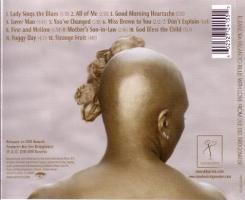
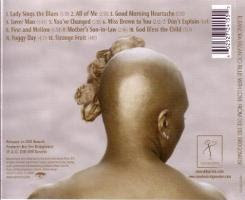
[This being said boldly here by a black woman who comes from a strong Christian background and has been struggling to overcome the moral, psychological, professional and material damage inflicted upon her in various ways, including relentless sexual harrassment and pornographic attacks and attempts at tarnishing her public reputation, for no other reason than having had the ‘audacity’ of denouncing such attacks, by "respectable" members of that same society, especially some in the media– and, prominently among them, a white blond sex kitten, who also happens to be a bloggerand dancer (profiled in the text on this post) that, in a bid to protect her own turf, hypocritically pretends to be 'outraged' and 'disgusted' by these new ‘dance trends’ (performed predominantly by young black females), while (after allowing herself practices such as desecrating the deepest intimacy of a group of older traditional African dancers - a practice that I strongly condenmed hereonly to get from her as a response the most sordid, demeaning, anti-personal campaign) appearing half-naked in one of her so-called contemporary dance shows (she actually happens to think that her blood was made bold by classical ballet and coronets and piano keys... yes, she claims that kind of power!), which, interestingly enough, she only managed to put together after a decade of idleness thanks to unashamedly aping the "mermaid pose" of a black artist, Cassandra Wilson, in the cover of her album New Moon Daughter, and appropriating herself of that image only to totally decontextualise and denigrate it, as denounced here…]
Having said all that, perhaps it should not strike us as surprising that what seems to be generally lacking in most 'judgements' of these trends coming to light recently from Angola - which do not go beyond blaming and criminalising the young women who practise them - is something that, for instance, Toni Morrison, skilfully, sensibly and maturely does in the opening of her novel Love [*]: while decrying it, the factoring in, even if only briefly, of the emotional, psychological, sociological, historical and even political dimensions of such phenomena. She does so in relation to some observed trends of ‘female body exposure’ in American society up to the 1990s – and since then, based on the echoes I get from time to time through the media, I surmise that they may have evolved to even ‘worse’ forms. Nevertheless, I never got news of a ‘total breakdown or collapse’ of the moral and spiritual backbone of America’s mainstream values system (or, for that matter, of that of any other society where such phenomena may occur), because of those fads - which is not meant, of course, to condone them.
So, without further ado, here are some extracts from the introductory pages of Morrison’s said novel:
The women's legs are spread wide open, so I hum. Men grow irritable, but they know it's all for them. They relax. Standing by, unable to do anything but watch, is a trial, but I don't say a word. My nature is a quite one, anyway. As a child I was considered respectful; as a young woman I was called discreet. Later on I was thought to have the wisdom maturity brings. Nowadays silence is looked on as odd and most of my race has forgotten the beauty of meaning much by saying little. Now tongues work all by themselves with no help from the mind. Still, I used to be able to have normal conversations, and when the need arose, I could make a point strong enough to stop a womb - or a knife. Not anymore, because back in the seventies, when women began to straddle chairs and dance crotch out on television, when all the magazines started featuring behinds and inner thighs as though that's all there is to a woman, well, I shut up altogether. Before women agreed to spread in public, there used to be secrets - some to hold, some to tell. Now? No. Barefaced being the order of the day, I hum. The words dance in my head to the music in my mouth.
(...)
What's the deep in you? It's way down below, and has nothing to do with blood made bold by coronets and piano keys, does it? Of course, I don't claim that kind of power. My hum is mostly below range, private; suitable for an old woman embarrassed by the world; her way of objecting to how the century is turning out. Where all is known and nothing understood. Maybe it was always so, but it didn't strike me until some thirty years ago that prostitutes, looked up for their honesty, have always set the style. Well, maybe it wasn't their honesty; maybe it was their success. Still, straddling a chair or dancing half naked on TV, these nineties women are not all that different from the respectable women who live around here. This is coast country, humid and God-fearing, where female recklessness runs too deep for short shorts or thongs or cameras. But then or now, decent underwear or none, wild women never could hide their innocence - a kind of pity-kitty hopefulness that their prince was on his way. Especially the tough ones with their box cutters and dirty language, or the glossy ones with two-seated cars and a pocket-book full of dope. Even the ones who wear scars like presidential medals and stockings rolled at their ankles can't hide the sugar-child, the winsome baby girl curled up somewhere inside, between the ribs, say, or under the heart. Naturally all of them have a sad story: too much notice, not enough, or the worst kind. Some tale about dragon daddies and false-hearted men, or mean mamas and friends who did them wrong. Each story has a monster in it who made them tough instead of brave, so they open their legs rather than their hearts where that folded child is tucked. Sometimes the cut is so deep no woe-is-me tale is enough. Then the only thing that does the trick, that explains the craziness heaping up, holding down, and making women hate one another and ruin their children is an outside evil.
*[Thus presented by its publishers (Chatto & Windus, 2003): "This audacious vision of the nature of love - its appetite, its sublime possession, its dread - is rich in characters and dramatic event, and in its profound understanding of how alive the past can be. Compelling, sensual, elegiac, unforgettable, a major new work by the Nobel Prize-winning novelist, its narrative reflects the different facets of love, shifting from desire through lust, obsession, yearning, and ultimately comes full circle to that indelible, overwhelming first love that marks us forever."]
One permanent focus of attention, and controversy, in Women’s History has always been their body. Most prominently their body shapes and sizes, but also other issues surrounding it, such as their control over it and the perceived notions of its femininity and fecundity, or lack thereof. Underlying these issues (some of them recently raised here) is, alongside those of 'elegance' and 'respectability', the always present notion of ‘decency’ and the moral values upon which it is set and conceived, which may (or not) vary from one society to the other.
Therein lies the crux of the matter of what can, or not, be considered acceptable, i.e. ‘decent’, public (or, indeed, private – as in “private dancer”) display of the female body. Dance being, par excellence, the main 'artistic' vehicle through which all these themes, issues, notions and questions come to public consciousness and discussion, it is all too common to find it at the centre of 'moral judgments' about a woman’s ‘character’, or lack thereof…
I bring this subject a propos of some highly controversial music and dance fads apparently springing ‘out of the blue’ within some segments of Angolan society, especially in the capital, Luanda. Kuduro– at its best (as in here) dubbed “the darling of some European DJs” and, at its worst, as something akin to “the music/dance of the devil” (as in here) – might be the most widely spread and generally known outside the country, but there are others, especially in dance form, succeeding each other in recent years and, apparently, each one ‘worse’ than the previous.
They come with sexually-suggestive names like “kambwa” (something dog-related), "tchuku", "windeck", "xupa-la’", etc., and are generally thought of, and perhaps rightly so (I can’t really join in any “judging bandwagon” as I haven’t seen any of them yet - in fact, I'd rather do as Toni Morrison on the face of it: hum...), as ‘obscene’, ‘indecent’, ‘immoral’, ‘pornographic’, etc., by some commentators in the Angolan media – in a society, it must be said, which cannot exactly pride itself in having much of a solid moral values system, after the degradation and erosion of traditional values and customs wrought in by centuries of colonialism and assimilacionist policies under the colonial and the post-colonial regimes, followed by decades of a fratricidal war and destruction of the country’s already damaged and fragile social fabric amidst, up until recently, the all but total prohibition of religious beliefs and practices under a Marxist regime in the three decades since independence…
Is there any wonder then that such a rather permissive , superficial, materialistic, physically, psychologically and sexually violent (Luanda, the capital, is reportedto register at least 8 cases of rape daily!), yet highly hypocritical, society - where sex became the main, if not the only, 'driving force' behind all sorts of social, including professional, relationships (as discussed here) would somehow produce "loose women"?!
[This being said boldly here by a black woman who comes from a strong Christian background and has been struggling to overcome the moral, psychological, professional and material damage inflicted upon her in various ways, including relentless sexual harrassment and pornographic attacks and attempts at tarnishing her public reputation, for no other reason than having had the ‘audacity’ of denouncing such attacks, by "respectable" members of that same society, especially some in the media– and, prominently among them, a white blond sex kitten, who also happens to be a bloggerand dancer (profiled in the text on this post) that, in a bid to protect her own turf, hypocritically pretends to be 'outraged' and 'disgusted' by these new ‘dance trends’ (performed predominantly by young black females), while (after allowing herself practices such as desecrating the deepest intimacy of a group of older traditional African dancers - a practice that I strongly condenmed hereonly to get from her as a response the most sordid, demeaning, anti-personal campaign) appearing half-naked in one of her so-called contemporary dance shows (she actually happens to think that her blood was made bold by classical ballet and coronets and piano keys... yes, she claims that kind of power!), which, interestingly enough, she only managed to put together after a decade of idleness thanks to unashamedly aping the "mermaid pose" of a black artist, Cassandra Wilson, in the cover of her album New Moon Daughter, and appropriating herself of that image only to totally decontextualise and denigrate it, as denounced here…]
Having said all that, perhaps it should not strike us as surprising that what seems to be generally lacking in most 'judgements' of these trends coming to light recently from Angola - which do not go beyond blaming and criminalising the young women who practise them - is something that, for instance, Toni Morrison, skilfully, sensibly and maturely does in the opening of her novel Love [*]: while decrying it, the factoring in, even if only briefly, of the emotional, psychological, sociological, historical and even political dimensions of such phenomena. She does so in relation to some observed trends of ‘female body exposure’ in American society up to the 1990s – and since then, based on the echoes I get from time to time through the media, I surmise that they may have evolved to even ‘worse’ forms. Nevertheless, I never got news of a ‘total breakdown or collapse’ of the moral and spiritual backbone of America’s mainstream values system (or, for that matter, of that of any other society where such phenomena may occur), because of those fads - which is not meant, of course, to condone them.
So, without further ado, here are some extracts from the introductory pages of Morrison’s said novel:
The women's legs are spread wide open, so I hum. Men grow irritable, but they know it's all for them. They relax. Standing by, unable to do anything but watch, is a trial, but I don't say a word. My nature is a quite one, anyway. As a child I was considered respectful; as a young woman I was called discreet. Later on I was thought to have the wisdom maturity brings. Nowadays silence is looked on as odd and most of my race has forgotten the beauty of meaning much by saying little. Now tongues work all by themselves with no help from the mind. Still, I used to be able to have normal conversations, and when the need arose, I could make a point strong enough to stop a womb - or a knife. Not anymore, because back in the seventies, when women began to straddle chairs and dance crotch out on television, when all the magazines started featuring behinds and inner thighs as though that's all there is to a woman, well, I shut up altogether. Before women agreed to spread in public, there used to be secrets - some to hold, some to tell. Now? No. Barefaced being the order of the day, I hum. The words dance in my head to the music in my mouth.
(...)
What's the deep in you? It's way down below, and has nothing to do with blood made bold by coronets and piano keys, does it? Of course, I don't claim that kind of power. My hum is mostly below range, private; suitable for an old woman embarrassed by the world; her way of objecting to how the century is turning out. Where all is known and nothing understood. Maybe it was always so, but it didn't strike me until some thirty years ago that prostitutes, looked up for their honesty, have always set the style. Well, maybe it wasn't their honesty; maybe it was their success. Still, straddling a chair or dancing half naked on TV, these nineties women are not all that different from the respectable women who live around here. This is coast country, humid and God-fearing, where female recklessness runs too deep for short shorts or thongs or cameras. But then or now, decent underwear or none, wild women never could hide their innocence - a kind of pity-kitty hopefulness that their prince was on his way. Especially the tough ones with their box cutters and dirty language, or the glossy ones with two-seated cars and a pocket-book full of dope. Even the ones who wear scars like presidential medals and stockings rolled at their ankles can't hide the sugar-child, the winsome baby girl curled up somewhere inside, between the ribs, say, or under the heart. Naturally all of them have a sad story: too much notice, not enough, or the worst kind. Some tale about dragon daddies and false-hearted men, or mean mamas and friends who did them wrong. Each story has a monster in it who made them tough instead of brave, so they open their legs rather than their hearts where that folded child is tucked. Sometimes the cut is so deep no woe-is-me tale is enough. Then the only thing that does the trick, that explains the craziness heaping up, holding down, and making women hate one another and ruin their children is an outside evil.
*[Thus presented by its publishers (Chatto & Windus, 2003): "This audacious vision of the nature of love - its appetite, its sublime possession, its dread - is rich in characters and dramatic event, and in its profound understanding of how alive the past can be. Compelling, sensual, elegiac, unforgettable, a major new work by the Nobel Prize-winning novelist, its narrative reflects the different facets of love, shifting from desire through lust, obsession, yearning, and ultimately comes full circle to that indelible, overwhelming first love that marks us forever."]
Março é um mês dedicado à mulher angolana. Que balanço se pode fazer da luta pela igualdade?
Angola tem, do ponto de vista institucional, dos mais modernos e avançados mecanismos, nomeadamente ao nível da legislação, para a protecção dos direitos da mulher e do reconhecimento desses direitos de forma a assegurar a igualdade entre o género na sociedade.
No entanto, Angola tem, do ponto de vista social e cultural o percurso que, na história da Humanidade, levou às situações de desigualdade.
Creio que já tivemos momentos mais progressistas na luta pelos direitos de igualdade. Este parece-me ser um momento mais conservador em relação a essa luta. O caminho será muito longo, é preciso nunca desistir de o percorrer.
Qual seria o conceito de emancipação numa sociedade como a nossa?
A emancipação não tem conceitos diferentes. Nem a igualdade. O direito à igualdade entre os membros de uma sociedade é universal.
E esses direitos à igualdade entre cidadãos não são datados, são intemporais. O que me parece é que este é um momento em que a sociedade se vira para a necessidade de reforço dos valores de estabilidade assentes na família como no núcleo da sociedade e que se coloca a responsabilidade dessa estabilidade na mulher. Essa responsabilidade tem que ser partilhada.
O esforço pela união familiar e de tolerância em nome dessa união, deve ser responsabilidade assumida a dois, pelo homem e pela mulher que juntos decidem formar e assumir uma família.
Que circunstâncias restringem a liberdade da mulher angolana, se é que há?
O nível de desenvolvimento e de formação dos povos e dos países é sempre determinante para a liberdade dos seus intervenientes. Quanto maior for o desenvolvimento, a estabilidade, o bem-estar, quanto mais justa for uma sociedade, maior será a liberdade da mulher. Tudo o que os homens escreveram sobre as mulheres deve ser suspeito, pois eles são, a um tempo, juiz e parte, disse alguém. Concorda? (risos) concordo sim. E creio que o inverso seria também verdadeiro num caso em que a mulher fosse juíz e parte...
O presente envolve o passado e no passado toda a História foi feita pelos homens. Ainda se pode evocar a História para se justificar o estatuto actual da mulher?
Sim. Sem dúvida. Os processos sociais não são intermitentes. Há sempre um antes determinante para o agora que faz passagem para o depois. A História é determinante para a compreensão de todos os processos actuais e é determinante também para a compreensão dos processos de desigualdade e descriminação, sejam eles de que natureza for.
Para o homem o termo "macho" soa a elogio. Para mulher o termo "fêmea" é pejorativo. Porquê?
Talvez porque quem determina o que deve parecer ou soar pejorativo seja o conjuntos das inter-relações sociais. As palavras, em si, não são pejorativas. O que as torna mais ou menos depreciativas e ofensivas é o contexto e o conteúdo que é dado a cada palavra em cada momento determinado. Não acho pejorativo o termo “fêmea”, ele é usado de forma pejorativa, Assim como me parece muito pejorativa a forma como se usa a palavra macho para referir alguns HOMENS.
Acha que a condição financeira contribuiu para a emancipação da mulher?
Evidentemente. E de forma determinante. Uma mulher economicamente capaz de se proteger, a si e aos seus filhos, é menos vulnerável. Qualquer ser humano é tanto mais independente quanto maior for a sua autonomia financeira.
Não se nasce mulher, torna-se. Diz Simone de Beauvoir. Como é que a Paula interpreta essa frase?
As frases têm um contexto. Vista assim, a frase não faz sentido. Biologicamente nascemos mulheres e isso é determinante. Homens e mulheres não são iguais. São muito diferentes e isso não é mau. Mau é os seres humanos acharem que as diferenças tornam uns superiores e outros inferiores.
Se conheço Simone de Beauvoir, o conceito “ser mulher” neste caso, deve remeter-nos para uma análise daquilo que a sociedade acaba por nos “tornar” em função do género, ou seja, dos papéis a que a sociedade nos remete em função de sermos homens ou mulheres.
As mulheres só ganham o que os homens querem conceder? Ou seja, as mulheres só se afirmam socialmente quando os homens permitem?
Acho que as sociedades são ainda muito machistas. A nossa e não só. E que realmente as mulheres têm de trabalhar o dobro para se afirmarem. Aos descriminados são sempre exigidas mais provas das suas capacidades e a discriminação da mulher ainda é uma realidade que precisamos transformar.
Os homens queixam-se que a mulher quando tem mais posses financeiras maltrata o homem. É a maneira de se afirmar perante os homens?
Não me parece que seja verdadeira a afirmação. Que dizer de todos os homens que, com poder económico, maltratam as mulheres? A questão do poder financeiro é mais um preconceito social a minar o equilíbrio nas relações entre homens e mulheres que devem ser parceiros nos processos todos.
Alguma vez sentiu complexo de competir com homens para uma vaga?
Não, nunca senti. Assumo os meus processos profissionais apenas com base no profissionalismo.
Que futuro perspectiva para a mulher angolana?
Um caminho longo, muito longo de árduas jornadas de trabalho e de luta. Um caminho que temos que seguir.
O gosto por muitos filhos das mulheres, sejam elas angolanas ou não, é uma questão de educação cultural ou falta de formação?
É muitas vezes até uma questão pessoal...hoje em dia, se as mulheres podem escolher e se lhes é dada essa oportunidade, é cada vez mais uma questão de opção para a família que se forma. Há casos de pessoas com muita formação académica que optam por ter muitos filhos...
Março é um mês dedicado à mulher angolana. Que balanço se pode fazer da luta pela igualdade?
Angola tem, do ponto de vista institucional, dos mais modernos e avançados mecanismos, nomeadamente ao nível da legislação, para a protecção dos direitos da mulher e do reconhecimento desses direitos de forma a assegurar a igualdade entre o género na sociedade.
No entanto, Angola tem, do ponto de vista social e cultural o percurso que, na história da Humanidade, levou às situações de desigualdade.
Creio que já tivemos momentos mais progressistas na luta pelos direitos de igualdade. Este parece-me ser um momento mais conservador em relação a essa luta. O caminho será muito longo, é preciso nunca desistir de o percorrer.
Qual seria o conceito de emancipação numa sociedade como a nossa?
A emancipação não tem conceitos diferentes. Nem a igualdade. O direito à igualdade entre os membros de uma sociedade é universal.
E esses direitos à igualdade entre cidadãos não são datados, são intemporais. O que me parece é que este é um momento em que a sociedade se vira para a necessidade de reforço dos valores de estabilidade assentes na família como no núcleo da sociedade e que se coloca a responsabilidade dessa estabilidade na mulher. Essa responsabilidade tem que ser partilhada.
O esforço pela união familiar e de tolerância em nome dessa união, deve ser responsabilidade assumida a dois, pelo homem e pela mulher que juntos decidem formar e assumir uma família.
Que circunstâncias restringem a liberdade da mulher angolana, se é que há?
O nível de desenvolvimento e de formação dos povos e dos países é sempre determinante para a liberdade dos seus intervenientes. Quanto maior for o desenvolvimento, a estabilidade, o bem-estar, quanto mais justa for uma sociedade, maior será a liberdade da mulher. Tudo o que os homens escreveram sobre as mulheres deve ser suspeito, pois eles são, a um tempo, juiz e parte, disse alguém. Concorda? (risos) concordo sim. E creio que o inverso seria também verdadeiro num caso em que a mulher fosse juíz e parte...
O presente envolve o passado e no passado toda a História foi feita pelos homens. Ainda se pode evocar a História para se justificar o estatuto actual da mulher?
Sim. Sem dúvida. Os processos sociais não são intermitentes. Há sempre um antes determinante para o agora que faz passagem para o depois. A História é determinante para a compreensão de todos os processos actuais e é determinante também para a compreensão dos processos de desigualdade e descriminação, sejam eles de que natureza for.
Para o homem o termo "macho" soa a elogio. Para mulher o termo "fêmea" é pejorativo. Porquê?
Talvez porque quem determina o que deve parecer ou soar pejorativo seja o conjuntos das inter-relações sociais. As palavras, em si, não são pejorativas. O que as torna mais ou menos depreciativas e ofensivas é o contexto e o conteúdo que é dado a cada palavra em cada momento determinado. Não acho pejorativo o termo “fêmea”, ele é usado de forma pejorativa, Assim como me parece muito pejorativa a forma como se usa a palavra macho para referir alguns HOMENS.
Acha que a condição financeira contribuiu para a emancipação da mulher?
Evidentemente. E de forma determinante. Uma mulher economicamente capaz de se proteger, a si e aos seus filhos, é menos vulnerável. Qualquer ser humano é tanto mais independente quanto maior for a sua autonomia financeira.
Não se nasce mulher, torna-se. Diz Simone de Beauvoir. Como é que a Paula interpreta essa frase?
As frases têm um contexto. Vista assim, a frase não faz sentido. Biologicamente nascemos mulheres e isso é determinante. Homens e mulheres não são iguais. São muito diferentes e isso não é mau. Mau é os seres humanos acharem que as diferenças tornam uns superiores e outros inferiores.
Se conheço Simone de Beauvoir, o conceito “ser mulher” neste caso, deve remeter-nos para uma análise daquilo que a sociedade acaba por nos “tornar” em função do género, ou seja, dos papéis a que a sociedade nos remete em função de sermos homens ou mulheres.
As mulheres só ganham o que os homens querem conceder? Ou seja, as mulheres só se afirmam socialmente quando os homens permitem?
Acho que as sociedades são ainda muito machistas. A nossa e não só. E que realmente as mulheres têm de trabalhar o dobro para se afirmarem. Aos descriminados são sempre exigidas mais provas das suas capacidades e a discriminação da mulher ainda é uma realidade que precisamos transformar.
Os homens queixam-se que a mulher quando tem mais posses financeiras maltrata o homem. É a maneira de se afirmar perante os homens?
Não me parece que seja verdadeira a afirmação. Que dizer de todos os homens que, com poder económico, maltratam as mulheres? A questão do poder financeiro é mais um preconceito social a minar o equilíbrio nas relações entre homens e mulheres que devem ser parceiros nos processos todos.
Alguma vez sentiu complexo de competir com homens para uma vaga?
Não, nunca senti. Assumo os meus processos profissionais apenas com base no profissionalismo.
Que futuro perspectiva para a mulher angolana?
Um caminho longo, muito longo de árduas jornadas de trabalho e de luta. Um caminho que temos que seguir.
O gosto por muitos filhos das mulheres, sejam elas angolanas ou não, é uma questão de educação cultural ou falta de formação?
É muitas vezes até uma questão pessoal...hoje em dia, se as mulheres podem escolher e se lhes é dada essa oportunidade, é cada vez mais uma questão de opção para a família que se forma. Há casos de pessoas com muita formação académica que optam por ter muitos filhos...
“Young people take note of this woman’s life, This woman’s bravery, so you too can learn to stand up, and not be afraid to speak in your own voice. Children, stand tall and dare to be a Billie Holiday!”
"Someone's got to have the balls to stand up and say, that's enough. That... is... enough." Printed words do not convey the force accompanying this sentiment from a woman who admits to having once thrown a man across a room. "We're going to try to unite all the female black jazz-singers," she says, "and make a political stand." Woe betide anyone who tries to oppose her. "When I get really angry, I feel my blood boil, I see red, literally, and then I get physical. Don't mess with my babies, my albums. Don't mess with me. I'll turn into an angry, black 'ghettified' sister who will kick your effing ass."
Today (14/03/11), while perusing through some old papers looking for a poem I wrote some years ago dedicated to Lady Day (still couldn't find it), I came across this flyer for the one and only Dee Dee Bridgewater show I went to see (on May 2002, at the Barbican) so far - and what a show! I was totally immersed in the vibrancy of her strong voice and enthralled by the energy of her scatting: it was the first time I experienced live what I had only heard before on some of Ella Fitzgerald's or Sarah Vaughan's recordings - a woman's voice turned into an instrument, mainly the trumpet, but also, incidentally, the piano, or the bass. I still can feel some of that energy now more than 10 years passed...
Then I went to look up the Net for echoes of that show and found the article from which I've taken the extracts bellow. I was totally unaware of that row about Dianna Krall (and, in passing, Norah Jones) at the time ... and now I must rethink my 'singing her praises', though not necessarily repent because I only dit it once, and half-heartedly at that, namely in a comment posted here, and in a context that I suppose was perfectly understandable (and ... I pray that sista Dee Dee, if she ever reads this, doesn't feel like kicking my effing ass for having mentioning her name alongside Krall's...)!
That context being one, it might be worth noting, in which I was (only mildly and respectfully enough...) making some remarks and suggestions to some Angolan national “jazz pundit” for promoting exclusively white Portuguese jazz musicians’ tours to the country, as can be gathered here… and it just so happens that he recently voiced an overt, sinister, death threat (!) to me, apparently because of it and of my ‘tolerance’ (not even unconditional support…) for some new trends in Angolan contemporary music, such as HIPHOPand Kuduro, basing my position on the darker side of Jazz History as exemplified here… All, as he sees it, against the background of the 27 May 1977- a political tragedy with clear racist overtones on all sides which caused thousands of victims and has left open, unhealed wounds in the fabric of Angolan society to this day - and on which some of my views vis-a-vis the Marxist theory and practice aluded to by him are expressed on this post and on comments to this one...
Ah! And also, directly or indirectly, because of my stance on issues like this, protagonised by some white blond barbie dollwho, funnily enough, recently rose overnight from virtually total obscurity in that country’s media - after a forced retreat caused by an open letter by Angolan citizens accusing her of blatant racism! - thanks to unashamedly aping, for her 'rebirth so-called contemporary dance show', Cassandra Wilson’s “(un)vest”, for lack of a better word, on the cover of her New Moon Daughter album pictured here…
Now, just briefly, about Norah Jones: in the beginning of 2003, a female friend (and in the Angolan context this can be highly relevant: a mixed-race one) in Luanda asked me what I thought about her and I replied, totally absentmindedly and unaware of Dee Dee’s outburst a few months earlier, something like this: look, to be perfectly honest, I don’t know what the fuss around her is all about; her most celebrated song so far seems to be all around something like “don’t know why I didn’t come”, which apparently invokes (unfulfilled) sex… so, if that’s all there is to her success I can’t really figure out where she stands as a jazz singer, writer, or musician…
Another thing that touched me in Dee Dee's outburst was the way in which she used the word antiseptic - I often use the word asseptic (e.g. here) to describe similar cases and contexts... But, above all, it was warming to know of her sisterly allegiance with Cassandra Wilson and other black jazz singers around it at the time... which, in some ways, takes me to this other sort of 'sisterly allegiance' (albeit circumstancial and distant), where it becomes apparent that some people in Angola, somewhere, somehow, and for whatever racially and/or culturally-based reason(s) have been trying (for far too long!) to, to use Dee Dee's word, exterminate me and my work, humble and unconceited as it is...
So, really, these discoveries today made my DAY! And, inDEEd inDEEd, my WOMEN'S MONTH!
Dee Dee Bridgewater is one of those people who is slow to anger, normally exuding the kind of calm associated with green tea, eucalyptus oil and tinkly-binkly music. At the age of 51, her skin is almost unnaturally smooth, and her conversation is low and beguiling, often sinking to a whisper. Her career has included stints with the Thad Jones-Mel Lewis Jazz Orchestra, stage shows about Ella Fitzgerald and Billie Holiday, and forays into pop; a trio of her earlier recordings has recently been reissued. She is delighted with her latest project, an album of Kurt Weill songs, which she will perform tonight at the Barbican. All would seem very well for Ms Bridgewater.
Yet the contented façade barely contains a volcano of rage that she admits she is struggling to keep the lid on. Bridgewater fears that the big record companies are trying to exterminate her and the tradition she represents, to replace them with insipid Barbie dolls with mass-market, lucrative appeal. The idea that jazz singing should be in a frail state may initially seem odd. Aren't the likes of her Verve label-mate Diana Krall and Norah Jones achieving the elusive position of being genuinely popular jazz artists, with posters on billboards and television ad campaigns, just like, well, pop singers? As Bridgewater points out, that achievement does not come without a cost.
"The Diana Krall phenomenon is based on material that's 30 or 40 years old," she says. "The treatment is cold, there's no emotion. It's only working because the jazz has been watered down, it's not abrasive – it's antiseptic." Bridgewater herself is a wonderful interpreter of old standards, although there is a world of difference between her punchy, gutsy style and the pale-honey smooth Krall – you could never accuse Dee Dee of being antiseptic. But there is more than just a difference of stylistic opinion here. "This is the era of the white female jazz singer," she says. "Even though jazz singing has traditionally been associated with the black female voice, it has never been at the elimination of the white female singer. Why, all of a sudden, are we supposed to be eliminated because the labels are scrambling to find their own Diana Krall wannabes? It's upsetting and frightening."
There's nothing grey about Dee Dee, or her contemporary Cassandra Wilson, both of whom search for the individual rather than a lower common-denominator. They resist the pressure to make radio-friendly recordings, and as a result, feel their music is not being treated seriously by an industry looking for a fast, sizeable return. "We were both in New York," says Dee Dee, "and Cassandra said, 'I can't get anybody interested in my projects, they keep putting Krall's name in my face. What are we supposed to do? Look at us, we've got our dreadlocks!'"
This is happening not only in America, but also in France, until recently Bridgewater's adopted home. "I've always employed French musicians, I've been burned for taking them to New York. But I can't get any reviews in French jazz papers. They've decided that Diana Krall is the beginning, the end and the in-between. To have the French jazz community turn its back on me because they've got some blonde, blue-eyed chick that can sing halfway decent and can play the piano – I'm livid."
She is determined that her anger will not make her bitter, though. A solution is forming in her mind. "Someone's got to have the balls to stand up and say, that's enough. That... is... enough." Printed words do not convey the force accompanying this sentiment from a woman who admits to having once thrown a man across a room. "We're going to try to unite all the female black jazz-singers," she says, "and make a political stand." Woe betide anyone who tries to oppose her. "When I get really angry, I feel my blood boil, I see red, literally, and then I get physical. Don't mess with my babies, my albums. Don't mess with me. I'll turn into an angry, black 'ghettified' sister who will kick your effing ass."
"I always felt that I had to scat, to be another musician" – in her case, a trumpeter. "My father was, my first husband was, I had a boyfriend who was. Dizzy, Miles, Clark Terry – all my heroes were trumpeters." Now she is happy to concentrate on the lyric. "I thought, why don't I just sing the whole song, which I haven't done for years because I've been working so hard on getting my scatting to a level where I felt I was really being an instrument."
This is her route now. Bored by standards, which she says she might return to when she's 60 but not before, Weill has opened up a new vista for her; she's even contemplating resuscitating some of his operas. Her record company would do well to realise what a prodigious talent it has in Dee Dee Bridgewater – an artist worth a hundred Diana Kralls. If they don't, she will certainly be off – but not before she's kicked their effing asses.
“Young people take note of this woman’s life, This woman’s bravery, so you too can learn to stand up, and not be afraid to speak in your own voice. Children, stand tall and dare to be a Billie Holiday!”
"Someone's got to have the balls to stand up and say, that's enough. That... is... enough." Printed words do not convey the force accompanying this sentiment from a woman who admits to having once thrown a man across a room. "We're going to try to unite all the female black jazz-singers," she says, "and make a political stand." Woe betide anyone who tries to oppose her. "When I get really angry, I feel my blood boil, I see red, literally, and then I get physical. Don't mess with my babies, my albums. Don't mess with me. I'll turn into an angry, black 'ghettified' sister who will kick your effing ass."
Today (14/03/11), while perusing through some old papers looking for a poem I wrote some years ago dedicated to Lady Day (still couldn't find it), I came across this flyer for the one and only Dee Dee Bridgewater show I went to see (on May 2002, at the Barbican) so far - and what a show! I was totally immersed in the vibrancy of her strong voice and enthralled by the energy of her scatting: it was the first time I experienced live what I had only heard before on some of Ella Fitzgerald's or Sarah Vaughan's recordings - a woman's voice turned into an instrument, mainly the trumpet, but also, incidentally, the piano, or the bass. I still can feel some of that energy now more than 10 years passed...
Then I went to look up the Net for echoes of that show and found the article from which I've taken the extracts bellow. I was totally unaware of that row about Dianna Krall (and, in passing, Norah Jones) at the time ... and now I must rethink my 'singing her praises', though not necessarily repent because I only dit it once, and half-heartedly at that, namely in a comment posted here, and in a context that I suppose was perfectly understandable (and ... I pray that sista Dee Dee, if she ever reads this, doesn't feel like kicking my effing ass for having mentioning her name alongside Krall's...)!
That context being one, it might be worth noting, in which I was (only mildly and respectfully enough...) making some remarks and suggestions to some Angolan national “jazz pundit” for promoting exclusively white Portuguese jazz musicians’ tours to the country, as can be gathered here… and it just so happens that he recently voiced an overt, sinister, death threat (!) to me, apparently because of it and of my ‘tolerance’ (not even unconditional support…) for some new trends in Angolan contemporary music, such as HIPHOPand Kuduro, basing my position on the darker side of Jazz History as exemplified here… All, as he sees it, against the background of the 27 May 1977- a political tragedy with clear racist overtones on all sides which caused thousands of victims and has left open, unhealed wounds in the fabric of Angolan society to this day - and on which some of my views vis-a-vis the Marxist theory and practice aluded to by him are expressed on this post and on comments to this one...
Ah! And also, directly or indirectly, because of my stance on issues like this, protagonised by some white blond barbie dollwho, funnily enough, recently rose overnight from virtually total obscurity in that country’s media - after a forced retreat caused by an open letter by Angolan citizens accusing her of blatant racism! - thanks to unashamedly aping, for her 'rebirth so-called contemporary dance show', Cassandra Wilson’s “(un)vest”, for lack of a better word, on the cover of her New Moon Daughter album pictured here…
Now, just briefly, about Norah Jones: in the beginning of 2003, a female friend (and in the Angolan context this can be highly relevant: a mixed-race one) in Luanda asked me what I thought about her and I replied, totally absentmindedly and unaware of Dee Dee’s outburst a few months earlier, something like this: look, to be perfectly honest, I don’t know what the fuss around her is all about; her most celebrated song so far seems to be all around something like “don’t know why I didn’t come”, which apparently invokes (unfulfilled) sex… so, if that’s all there is to her success I can’t really figure out where she stands as a jazz singer, writer, or musician…
Another thing that touched me in Dee Dee's outburst was the way in which she used the word antiseptic - I often use the word asseptic (e.g. here) to describe similar cases and contexts... But, above all, it was warming to know of her sisterly allegiance with Cassandra Wilson and other black jazz singers around it at the time... which, in some ways, takes me to this other sort of 'sisterly allegiance' (albeit circumstancial and distant), where it becomes apparent that some people in Angola, somewhere, somehow, and for whatever racially and/or culturally-based reason(s) have been trying (for far too long!) to, to use Dee Dee's word, exterminate me and my work, humble and unconceited as it is...
So, really, these discoveries today made my DAY! And, inDEEd inDEEd, my WOMEN'S MONTH!
Dee Dee Bridgewater is one of those people who is slow to anger, normally exuding the kind of calm associated with green tea, eucalyptus oil and tinkly-binkly music. At the age of 51, her skin is almost unnaturally smooth, and her conversation is low and beguiling, often sinking to a whisper. Her career has included stints with the Thad Jones-Mel Lewis Jazz Orchestra, stage shows about Ella Fitzgerald and Billie Holiday, and forays into pop; a trio of her earlier recordings has recently been reissued. She is delighted with her latest project, an album of Kurt Weill songs, which she will perform tonight at the Barbican. All would seem very well for Ms Bridgewater.
Yet the contented façade barely contains a volcano of rage that she admits she is struggling to keep the lid on. Bridgewater fears that the big record companies are trying to exterminate her and the tradition she represents, to replace them with insipid Barbie dolls with mass-market, lucrative appeal. The idea that jazz singing should be in a frail state may initially seem odd. Aren't the likes of her Verve label-mate Diana Krall and Norah Jones achieving the elusive position of being genuinely popular jazz artists, with posters on billboards and television ad campaigns, just like, well, pop singers? As Bridgewater points out, that achievement does not come without a cost.
"The Diana Krall phenomenon is based on material that's 30 or 40 years old," she says. "The treatment is cold, there's no emotion. It's only working because the jazz has been watered down, it's not abrasive – it's antiseptic." Bridgewater herself is a wonderful interpreter of old standards, although there is a world of difference between her punchy, gutsy style and the pale-honey smooth Krall – you could never accuse Dee Dee of being antiseptic. But there is more than just a difference of stylistic opinion here. "This is the era of the white female jazz singer," she says. "Even though jazz singing has traditionally been associated with the black female voice, it has never been at the elimination of the white female singer. Why, all of a sudden, are we supposed to be eliminated because the labels are scrambling to find their own Diana Krall wannabes? It's upsetting and frightening."
There's nothing grey about Dee Dee, or her contemporary Cassandra Wilson, both of whom search for the individual rather than a lower common-denominator. They resist the pressure to make radio-friendly recordings, and as a result, feel their music is not being treated seriously by an industry looking for a fast, sizeable return. "We were both in New York," says Dee Dee, "and Cassandra said, 'I can't get anybody interested in my projects, they keep putting Krall's name in my face. What are we supposed to do? Look at us, we've got our dreadlocks!'"
This is happening not only in America, but also in France, until recently Bridgewater's adopted home. "I've always employed French musicians, I've been burned for taking them to New York. But I can't get any reviews in French jazz papers. They've decided that Diana Krall is the beginning, the end and the in-between. To have the French jazz community turn its back on me because they've got some blonde, blue-eyed chick that can sing halfway decent and can play the piano – I'm livid."
She is determined that her anger will not make her bitter, though. A solution is forming in her mind. "Someone's got to have the balls to stand up and say, that's enough. That... is... enough." Printed words do not convey the force accompanying this sentiment from a woman who admits to having once thrown a man across a room. "We're going to try to unite all the female black jazz-singers," she says, "and make a political stand." Woe betide anyone who tries to oppose her. "When I get really angry, I feel my blood boil, I see red, literally, and then I get physical. Don't mess with my babies, my albums. Don't mess with me. I'll turn into an angry, black 'ghettified' sister who will kick your effing ass."
"I always felt that I had to scat, to be another musician" – in her case, a trumpeter. "My father was, my first husband was, I had a boyfriend who was. Dizzy, Miles, Clark Terry – all my heroes were trumpeters." Now she is happy to concentrate on the lyric. "I thought, why don't I just sing the whole song, which I haven't done for years because I've been working so hard on getting my scatting to a level where I felt I was really being an instrument."
This is her route now. Bored by standards, which she says she might return to when she's 60 but not before, Weill has opened up a new vista for her; she's even contemplating resuscitating some of his operas. Her record company would do well to realise what a prodigious talent it has in Dee Dee Bridgewater – an artist worth a hundred Diana Kralls. If they don't, she will certainly be off – but not before she's kicked their effing asses.
The struggle to eradicate sexism and develop African-American women is, in our opinion, a key and critical aspect of our people's struggle for a better and more beautiful life.
Sexism is the systematic repression and exploitation of one group of people by another group of people based on the criterion of sex. Sexism, as institutionalized in America today, manifests itself as the social and material male domination of women.
Sexism, like capitalism and racism, is a pervasive evil that must be rooted out and eradicated through conscious, uncompromising and consistent struggle. But smashing sexism will not be easy.
First, we must fight against the myth that sexism is not a major problem in the African-American community. Second, we must deepen our theoretical and analytical understanding of sexism so that we can know precisely how to proceed.
Our purpose in this presentation is to offer an analysis and theory of the phenomenon of rape, one of the most blatant and violent forms of sexual oppression. Hopefully this presentation will inspire women to fight back, will inspire men to be self-critical, and will inspire each reader to reassess their own thoughts and actions with respect to woman/man relationships in general and the sexist practice of rape in particular.
The struggle to eradicate sexism and develop African-American women is, in our opinion, a key and critical aspect of our people's struggle for a better and more beautiful life.
Sexism is the systematic repression and exploitation of one group of people by another group of people based on the criterion of sex. Sexism, as institutionalized in America today, manifests itself as the social and material male domination of women.
Sexism, like capitalism and racism, is a pervasive evil that must be rooted out and eradicated through conscious, uncompromising and consistent struggle. But smashing sexism will not be easy.
First, we must fight against the myth that sexism is not a major problem in the African-American community. Second, we must deepen our theoretical and analytical understanding of sexism so that we can know precisely how to proceed.
Our purpose in this presentation is to offer an analysis and theory of the phenomenon of rape, one of the most blatant and violent forms of sexual oppression. Hopefully this presentation will inspire women to fight back, will inspire men to be self-critical, and will inspire each reader to reassess their own thoughts and actions with respect to woman/man relationships in general and the sexist practice of rape in particular.
Systematic sexual violence continues to be carried out against Congolese women and girls caught up in mass expulsions from Angola to the Democratic Republic of the Congo, according to a U.N. envoy. Community leaders recorded 182 reported rapes in seven villages along the border in January alone, while a U.N. assessment mission confirmed 1,357 reported rape cases in one village in a six-to-eight-month period last year, said the official, Margot Wallstrom. "My findings strongly suggest that sexual violence is systematically being carried out against Congolese women and girls in the context of expulsions from Angola to (Congo)," said Wallstrom, who visited the area. "Many of the survivors who I spoke with confirmed that these violations occur in detention facilities in Angola as well as on the Congolese side of the border," she said in a statement. "Women recounted that they were raped by uniformed security forces during expulsion from Angola," Wallstrom said, adding the figures had probably been under-reported. The rapes first came to light last November when a report by the U.N. children's agency UNICEF, seen by Reuters, said that more than 650 people had suffered sexual violence during expulsions from Angola to Congo in the previous two months. Tit-for-tat expulsions between Angola and Congo reached an estimated 211,000 people in 2009.
Systematic sexual violence continues to be carried out against Congolese women and girls caught up in mass expulsions from Angola to the Democratic Republic of the Congo, according to a U.N. envoy. Community leaders recorded 182 reported rapes in seven villages along the border in January alone, while a U.N. assessment mission confirmed 1,357 reported rape cases in one village in a six-to-eight-month period last year, said the official, Margot Wallstrom. "My findings strongly suggest that sexual violence is systematically being carried out against Congolese women and girls in the context of expulsions from Angola to (Congo)," said Wallstrom, who visited the area. "Many of the survivors who I spoke with confirmed that these violations occur in detention facilities in Angola as well as on the Congolese side of the border," she said in a statement. "Women recounted that they were raped by uniformed security forces during expulsion from Angola," Wallstrom said, adding the figures had probably been under-reported. The rapes first came to light last November when a report by the U.N. children's agency UNICEF, seen by Reuters, said that more than 650 people had suffered sexual violence during expulsions from Angola to Congo in the previous two months. Tit-for-tat expulsions between Angola and Congo reached an estimated 211,000 people in 2009.
… O plot passa-se na Lua e comeca quando uma madame (por sinal, branca), ja’ de certa idade e com apelido castelhano, tentando por fim aos seus longos meses de solidao na sua alcova decide emitir uma “ordem de recrutamento” para um certo poeta errante, mais conhecido por Incrivel Svengali. Mas este, igualmente determinado a por fim aos seus proprios longos anos de solidao, responde-lhe que nao esta’ disponivel por se encontrar totalmente dedicado a sua recem-conquistada gazela…
A madame, inconsolada, requisita entao ao Svengali, atraves de um certo minion, que lhe mande de encomenda urgente o seu mais proximo mestrando: um empregado de seguros que, nas horas vagas, se dedica ao oficio de 'pintor auto-didacta' e drug dealer. E se assim o requisitou, assim o obteve.
Mas, nao satisfeita com a aquisicao de um “second best”, a madame continua a sua caca pelo fruto, por si e por muitas outras intelectualoides e belles de jour locais, mais desejado: o Incrivel Svengali… Vai dai, um belo dia (ou melhor, uma bela noite…), o poeta errante e a gazela vao a caminho de casa vindos de uma festa, em que a gazela, unica negra presente – como sempre o era em todos os circulos que com ele frequentava (excepto quando ela o levava a alguns dos seus proprios circulos, como quando foram comer um funge de domingo a casa do seu tio-padrinho Pepe', a quem o poeta errante chamava tio Fefe'...) –, exalta animos (tanto bons, como perversos e maquiavelicos…) com as suas longas trancas africanas enfeitadas de missangas e a sua veste de cetim preto sobre o seu corpo juvenil… Eis entao que, sem saberem de onde, como, ou porque, sao “barrados”, ja’ bem perto de casa, por um carro conduzido por um certo mundele de apelido “Maluco”, que tras a seu lado a madame e no banco de tras dois outros esbirros…
Bom, o que se seguiu foi pura e simplesmente para esquecer (… filme de terror, remember? ...), excepto que o poeta errante e a gazela foram salvos in extremis do 'holocausto' por um (k)night rider numa potente mota (Harley Davidson?) que, por acaso, morava no predio ao lado do deles…
Porem, mais anos passados, a madame ainda mais inconsolada com o desafecto do seu “second best” – que entretanto bazara para as meloias, onde se tornaria porteiro de uma galeria de arte ou coisa parecida – consegue contratar para os seus servicos, mais uma vez atraves do Incrivel Svengali, um outro mestrando deste, dessa vez negro, que se tornaria especialista em poemarios… e o resto… e’ historia!
Mas a gazela… essa, embora completamente refeita de todos os filmes de terror do Incrivel Svengali – para o que contou com o apoio de um certo artista, este entretanto "chamado a razao" perante o terror de perder a sua dama por causa da sua vida airada, vida essa em que era incentivado por essas mesmas madames e belles de jour locais mais alguns de seus esbirros agora metidos a campeoes dos "valores e principios"...–, continua, cerca de tres decadas depois, a tentar reconstituir o plot, porque lhe foram dadas dicas de que ele tera’ comecado verdadeiramente na festa de onde vinham naquela noite e em que tambem pontificava uma outra madame de quem por aquise fala…
Ha', no entanto, duas palavras a dizer em favor tanto do poeta errante, como do artista:
(Paz as Suas Almas!)
- Varios anos depois desses "filmes" se terem passado, o artista levou a sua dama ao bar 'a esquina da sua galeria, frequentado por alguns literatti da praca, onde encontraram o poeta errante, tendo a dada altura colocado os bracos a volta deste e da dama, dizendo: "vamos la' fazer as pazes, eu gosto muito e tenho respeito por voces os dois..." (note-se que isso foi muito depois de uma certa "peleja publica", numa certa noite em que, by the way, tambem estava presente esta outra madame e durante a qual o poeta errante apenas gritava: "eu sempre respeitei a Paulinha!"...). De notar, apenas de passagem, que tambem la' se encontrava o mais velho escritor Raul David que dirigiu esta fala a dama: "sim senhora, uma mulher muito bem educada e que sabe estar"!
- Anos mais tarde ainda, o poeta errante e a gazela encontraram-se depois de varios anos sem se verem e ele falou-lhe um pouco da sua vida tendo-lhe dito que estava num relacionamento aparentemente duradouro, acrescentando: "olhe (sempre se haviam tratado por voce) consegui encontrar alguem com paciencia para me aturar... como a Paulinha deve imaginar, o merito nao e' meu..."!
… O plot passa-se na Lua e comeca quando uma madame (por sinal, branca), ja’ de certa idade e com apelido castelhano, tentando por fim aos seus longos meses de solidao na sua alcova decide emitir uma “ordem de recrutamento” para um certo poeta errante, mais conhecido por Incrivel Svengali. Mas este, igualmente determinado a por fim aos seus proprios longos anos de solidao, responde-lhe que nao esta’ disponivel por se encontrar totalmente dedicado a sua recem-conquistada gazela…
A madame, inconsolada, requisita entao ao Svengali, atraves de um certo minion, que lhe mande de encomenda urgente o seu mais proximo mestrando: um empregado de seguros que, nas horas vagas, se dedica ao oficio de 'pintor auto-didacta' e drug dealer. E se assim o requisitou, assim o obteve.
Mas, nao satisfeita com a aquisicao de um “second best”, a madame continua a sua caca pelo fruto, por si e por muitas outras intelectualoides e belles de jour locais, mais desejado: o Incrivel Svengali… Vai dai, um belo dia (ou melhor, uma bela noite…), o poeta errante e a gazela vao a caminho de casa vindos de uma festa, em que a gazela, unica negra presente – como sempre o era em todos os circulos que com ele frequentava (excepto quando ela o levava a alguns dos seus proprios circulos, como quando foram comer um funge de domingo a casa do seu tio-padrinho Pepe', a quem o poeta errante chamava tio Fefe'...) –, exalta animos (tanto bons, como perversos e maquiavelicos…) com as suas longas trancas africanas enfeitadas de missangas e a sua veste de cetim preto sobre o seu corpo juvenil… Eis entao que, sem saberem de onde, como, ou porque, sao “barrados”, ja’ bem perto de casa, por um carro conduzido por um certo mundele de apelido “Maluco”, que tras a seu lado a madame e no banco de tras dois outros esbirros…
Bom, o que se seguiu foi pura e simplesmente para esquecer (… filme de terror, remember? ...), excepto que o poeta errante e a gazela foram salvos in extremis do 'holocausto' por um (k)night rider numa potente mota (Harley Davidson?) que, por acaso, morava no predio ao lado do deles…
Porem, mais anos passados, a madame ainda mais inconsolada com o desafecto do seu “second best” – que entretanto bazara para as meloias, onde se tornaria porteiro de uma galeria de arte ou coisa parecida – consegue contratar para os seus servicos, mais uma vez atraves do Incrivel Svengali, um outro mestrando deste, dessa vez negro, que se tornaria especialista em poemarios… e o resto… e’ historia!
Mas a gazela… essa, embora completamente refeita de todos os filmes de terror do Incrivel Svengali – para o que contou com o apoio de um certo artista, este entretanto "chamado a razao" perante o terror de perder a sua dama por causa da sua vida airada, vida essa em que era incentivado por essas mesmas madames e belles de jour locais mais alguns de seus esbirros agora metidos a campeoes dos "valores e principios"...–, continua, cerca de tres decadas depois, a tentar reconstituir o plot, porque lhe foram dadas dicas de que ele tera’ comecado verdadeiramente na festa de onde vinham naquela noite e em que tambem pontificava uma outra madame de quem por aquise fala…
Ha', no entanto, duas palavras a dizer em favor tanto do poeta errante, como do artista:
(Paz as Suas Almas!)
- Varios anos depois desses "filmes" se terem passado, o artista levou a sua dama ao bar 'a esquina da sua galeria, frequentado por alguns literatti da praca, onde encontraram o poeta errante, tendo a dada altura colocado os bracos a volta deste e da dama, dizendo: "vamos la' fazer as pazes, eu gosto muito e tenho respeito por voces os dois..." (note-se que isso foi muito depois de uma certa "peleja publica", numa certa noite em que, by the way, tambem estava presente esta outra madame e durante a qual o poeta errante apenas gritava: "eu sempre respeitei a Paulinha!"...). De notar, apenas de passagem, que tambem la' se encontrava o mais velho escritor Raul David que dirigiu esta fala a dama: "sim senhora, uma mulher muito bem educada e que sabe estar"!
- Anos mais tarde ainda, o poeta errante e a gazela encontraram-se depois de varios anos sem se verem e ele falou-lhe um pouco da sua vida tendo-lhe dito que estava num relacionamento aparentemente duradouro, acrescentando: "olhe (sempre se haviam tratado por voce) consegui encontrar alguem com paciencia para me aturar... como a Paulinha deve imaginar, o merito nao e' meu..."!
[Je Crois Entendre Encore - from Bizet's The Pearlfishers]
N.B.: To readers who might understandably be baffled by this and a few other seemingly cryptic and outlandish posts on this blog: it was my response to a white supremacist female blogger in Angola who, in the context of a series of personal attacks against this blog’s author, issued a post depicting the “evolution of Venus through time” including only “white venus(es)” with a comment according to which the first one (also the first on this post) was “the most Tosca but not the Puccini’s”, which in turn was her response to this post… Confused? A “white supremacist female blogger” in Angola? Yes! And not just that: she is a white blonde bombshell and europeanclassical ballet dancer, who owns a dance company where she only 'includes' black men, against whom some years ago a group of Angolan citizens issued an open letter accusing her of "social and racial discriminatory practices and statements", but, and certainly not unrelatedly, who of late got to maskerading herself as the Chokwe ancestral dancer Mwana Pwoand was awarded a few years ago the “National Prize for Culture and Arts” in the Dance category, which makes her pose as “more Angolan/African than thou”! And, interestingly enough, apparently she is “unconditionally supported” by the powers that be in her relentless shenanigans...
Et voila’: That’s Africa for some of us!…
*[First posted 11/09/10]
[E Lucevan Le Stelle - from Puccini's Tosca]
[...lol...]
[Je Crois Entendre Encore - from Bizet's The Pearlfishers]
N.B.: To readers who might understandably be baffled by this and a few other seemingly cryptic and outlandish posts on this blog: it was my response to a white supremacist female blogger in Angola who, in the context of a series of personal attacks against this blog’s author, issued a post depicting the “evolution of Venus through time” including only “white venus(es)” with a comment according to which the first one (also the first on this post) was “the most Tosca but not the Puccini’s”, which in turn was her response to this post… Confused? A “white supremacist female blogger” in Angola? Yes! And not just that: she is a white blonde bombshell and europeanclassical ballet dancer, who owns a dance company where she only 'includes' black men, against whom some years ago a group of Angolan citizens issued an open letter accusing her of "social and racial discriminatory practices and statements", but, and certainly not unrelatedly, who of late got to maskerading herself as the Chokwe ancestral dancer Mwana Pwoand was awarded a few years ago the “National Prize for Culture and Arts” in the Dance category, which makes her pose as “more Angolan/African than thou”! And, interestingly enough, apparently she is “unconditionally supported” by the powers that be in her relentless shenanigans...
[Some other interesting cases, not all Pan-Africanist Presidents but some of them, with Senghor and Wade, were at the forefront of the Negritude Movement (and I know that I shouldn't really place Biya and Bongo alongside the first Pan-Africanists, but it was just for good measure...) - such as Cornel West, Henry Louis Gates Jr., Richard Wright, Cheikh Anta Diop, James Farmer, Frantz Fanon, W.E.B. Du Boisand others - can be read about HERE]
[Some other interesting cases, not all Pan-Africanist Presidents but some of them, with Senghor and Wade, were at the forefront of the Negritude Movement (and I know that I shouldn't really place Biya and Bongo alongside the first Pan-Africanists, but it was just for good measure...) - such as Cornel West, Henry Louis Gates Jr., Richard Wright, Cheikh Anta Diop, James Farmer, Frantz Fanon, W.E.B. Du Boisand others - can be read about HERE]
Respect Your Mom! – le-se no cartaz em foco nestas imagens...
... Mas… nao e’ o direito a ser-se respeitada pelo/as seus/suas filho/as um direito naturalmente adquirido por qualquer mae?! Porque entao a necessidade (convenhamos que in extremis e um tanto caricaturalmente neste caso) de se conquistar esse direito atraves de manifestacoes de rua?
A minha mae, que, malgre tout, em grande medida julgo merecer o titulo - com tudo o que ele comporta de positivo e de negativo - de feministe avant la lettre (e… nao, apesar de usar oculos, ela nao teve que ler o “Segundo Sexo” da De Beauvoir para o ser… e’ que… para o bem ou para o mal, a minha mae nasceu Mulher… e tanto ela como os seus 'deuses', cuidaram de que toda a sua progenitura nascesse nessa condicao… algo que alguem designou “condicao feminina”…), em certa ocasiao, fez reverberar por muito tempo em nossa casa esta curta, mas incisiva, conjugacao de palavras: "direitos adquiridos"! Tinha-as proferido repetidamente enquanto, andando compassadamente para a frente e para tras, calcava com uns certos sapatos de salto alto [... por sinal, os mesmos que eu calçara para uma homenagem conjunta da UEA e da UNAP, na sede desta em Luanda, a Agostinho Neto, em que eu e a Paula Tavares fomos "encarregues" de ler dois dos seus poemas - eu apresentei (nao, nao "declamei" porque nao tenho o menor geito para tal arte), se estou bem lembrada (e nao me lembro mesmo de qual foi o que ficou a cargo da Paula Tavares), o poema Criar; ... por sinal, ainda os mesmos que eu calçara na sessao solene de abertura do primeiro congresso do "Movimento da Claridade", em 1988, no Mindelo, Cabo Verde, onde, a seguir a minha breve e humilde intervencao, Mario Pinto de Andrade - aquele que havia, a seu tempo, frequentado alguns dos mesmos circulos de Sartre e Simone de Beauvoir - levantou-se do seu lugar e veio apertar-me a mao e dar-me um abraco, como o unico Angolano presente para alem de mim, num gesto saudado comovidamente pela assistencia, que incluia o entao Presidente de Cabo Verde, Aristides Pereira...] o chao de uma reparticao publica em Portugal que lhe tentara negar alguns de tais direitos enquanto funcionaria publica durante muitos anos…
A Constituicao dos EUA (tomada apenas a titulo de exemplo, porque outras constituicoes, proclamacoes, convencoes, resolucoes, declaracoes, acordos, protocolos e decisoes em todo o mundo, tanto a nivel nacional como internacional, poderiam aqui ser usados com o mesmo efeito…) proclama ha’ mais de dois seculos a “igualdade de direitos entre todos os seus cidadaos”, na base do principio de que “todos os homens nascem iguais” (… e nao, nao diz nada sobre se esses “homens” incluem ou nao as “mulheres”, nem se estas foram ou nao "feitas a partir da costela de Adao"…). Mais proclama tal Constituicao o direito a vida como um “direito inalienavel de todos os homens” (… va’ la’, entendamo-lo complacentemente como querendo significar “(seres) humanos”…). E esses direitos fundamentais sao complementados por varios outros na sua Bill of Rights (ou "Carta de Direitos"... e ja' que passamos por 'Adao e Eva', convem notar-se que a Bill of Rights e' integrada pelos primeiros 10 Amendments a Constituicao, que e' como quem diz pelos seus "10 Mandamentos".
- No entanto, ao longo dos seculos desde a sua adopcao, tais proclamacoes nao impediram os EUA de continuarem a aplicar a pena de morte em alguns dos seus estados, ou de fazerem e promoverem guerras dentro e fora das suas fronteiras, violando assim, entre outros, o direito a vida…
- No entanto, mais de um seculo depois de tais proclamacoes, as mulheres brancas continuavam a lutar pela conquista do seu direito ao voto…
- No entanto, ao longo dos mais de dois seculos que se seguiram a tais proclamacoes, os negros nos EUA continuaram a ter que lutar pelo seu direito a liberdade, contra a escravidao, o espancamento, o linchamento, ou o segregacionismo e pela conquista dos seus direitos civicos e politicos, incluindo o direito ao voto, entretanto ja' conquistado pelas mulheres brancas…
- No entanto, quase tres seculos depois de tais proclamacoes, as mulheres negras (...‘pobres e insignificantes, verdes e doentes criaturas rejeitadas, vomitos que se deveriam suicidar em grande estilo ou serem esquartejadas a catanada’ que, ademais, ‘nao nasceram mulheres e ainda nao sabem, porque nao leram De Beauvoir, como se fazer mulheres, pelo que lhes convem saberem sempre o que lhes espera'?...) continuam a ter, na sua esmagadora maioria, um estatuto familiar, social e economico inferior ao da esmagadora maioria das mulheres brancas… E tais mulheres negras continuam (e nao so’ nos EUA…) a ter que lutar de varias formas pela conquista do direito a igualdade (ou, no minimo, equidade ou paridade) de estatuto e tratamento nao so’ em relacao aos homens de todas as racas (e nao… nao necessaria, nem exclusivamente, atraves de “quotas” ou de qualquer outro tipo do que alguem designou “discriminacao positiva” - como alias ja' o afirmei repetidamente em varios lugares como, por exemplo, nos comentarios a estee a esteposts), como tambem em relacao as mulheres brancas (yes, not all women are "the niggers of the world"!)…
- No entanto, quase tres seculos depois de tais proclamacoes, mulheres de todas as racas, em todo o mundo, continuam a lutar pelo direito a igualdade de oportunidades em todas as esferas da vida social e por salarios e direitos laborais iguais aos dos homens…
Ora, porque tudo isso?
Simplesmente porque nunca existiu coisa alguma no mundo chamada “direito natural”… Todos os “direitos” em sociedade teem que ser “conquistados”! E mesmo depois de conquistados teem que ser transformados em direitos de facto e nao apenas de jure – dai que se tenha que falar em “direitos e garantias” e, logo de seguida, em "implementacao" dessas garantias…
So’ nao o percebe quem sempre teve “direitos dados de bandeja” – geralmente por via do p(h)oder que lhes e’ conferido, seja pela raca, cor de pele, casta, credo, etnia ou genero, seja pelo seu estatuto social, economico ou politico –, que, muito leviana e ligeiramente, diga-se, tomam como “direitos naturais” de “todo o mundo”…
Mas… talvez se perceba numa certa Africa (e num certo mundo) ainda!
*[A proposito desta boutade - ou, talvez melhor dito, desta blonde joke (mais uma!) que li num certo tugurio de patetices alegres: "Igualdade por direito e não conquistada!"]
Respect Your Mom! – le-se no cartaz em foco nestas imagens...
... Mas… nao e’ o direito a ser-se respeitada pelo/as seus/suas filho/as um direito naturalmente adquirido por qualquer mae?! Porque entao a necessidade (convenhamos que in extremis e um tanto caricaturalmente neste caso) de se conquistar esse direito atraves de manifestacoes de rua?
A minha mae, que, malgre tout, em grande medida julgo merecer o titulo - com tudo o que ele comporta de positivo e de negativo - de feministe avant la lettre (e… nao, apesar de usar oculos, ela nao teve que ler o “Segundo Sexo” da De Beauvoir para o ser… e’ que… para o bem ou para o mal, a minha mae nasceu Mulher… e tanto ela como os seus 'deuses', cuidaram de que toda a sua progenitura nascesse nessa condicao… algo que alguem designou “condicao feminina”…), em certa ocasiao, fez reverberar por muito tempo em nossa casa esta curta, mas incisiva, conjugacao de palavras: "direitos adquiridos"! Tinha-as proferido repetidamente enquanto, andando compassadamente para a frente e para tras, calcava com uns certos sapatos de salto alto [... por sinal, os mesmos que eu calçara para uma homenagem conjunta da UEA e da UNAP, na sede desta em Luanda, a Agostinho Neto, em que eu e a Paula Tavares fomos "encarregues" de ler dois dos seus poemas - eu apresentei (nao, nao "declamei" porque nao tenho o menor geito para tal arte), se estou bem lembrada (e nao me lembro mesmo de qual foi o que ficou a cargo da Paula Tavares), o poema Criar; ... por sinal, ainda os mesmos que eu calçara na sessao solene de abertura do primeiro congresso do "Movimento da Claridade", em 1988, no Mindelo, Cabo Verde, onde, a seguir a minha breve e humilde intervencao, Mario Pinto de Andrade - aquele que havia, a seu tempo, frequentado alguns dos mesmos circulos de Sartre e Simone de Beauvoir - levantou-se do seu lugar e veio apertar-me a mao e dar-me um abraco, como o unico Angolano presente para alem de mim, num gesto saudado comovidamente pela assistencia, que incluia o entao Presidente de Cabo Verde, Aristides Pereira...] o chao de uma reparticao publica em Portugal que lhe tentara negar alguns de tais direitos enquanto funcionaria publica durante muitos anos…
A Constituicao dos EUA (tomada apenas a titulo de exemplo, porque outras constituicoes, proclamacoes, convencoes, resolucoes, declaracoes, acordos, protocolos e decisoes em todo o mundo, tanto a nivel nacional como internacional, poderiam aqui ser usados com o mesmo efeito…) proclama ha’ mais de dois seculos a “igualdade de direitos entre todos os seus cidadaos”, na base do principio de que “todos os homens nascem iguais” (… e nao, nao diz nada sobre se esses “homens” incluem ou nao as “mulheres”, nem se estas foram ou nao "feitas a partir da costela de Adao"…). Mais proclama tal Constituicao o direito a vida como um “direito inalienavel de todos os homens” (… va’ la’, entendamo-lo complacentemente como querendo significar “(seres) humanos”…). E esses direitos fundamentais sao complementados por varios outros na sua Bill of Rights (ou "Carta de Direitos"... e ja' que passamos por 'Adao e Eva', convem notar-se que a Bill of Rights e' integrada pelos primeiros 10 Amendments a Constituicao, que e' como quem diz pelos seus "10 Mandamentos".
- No entanto, ao longo dos seculos desde a sua adopcao, tais proclamacoes nao impediram os EUA de continuarem a aplicar a pena de morte em alguns dos seus estados, ou de fazerem e promoverem guerras dentro e fora das suas fronteiras, violando assim, entre outros, o direito a vida…
- No entanto, mais de um seculo depois de tais proclamacoes, as mulheres brancas continuavam a lutar pela conquista do seu direito ao voto…
- No entanto, ao longo dos mais de dois seculos que se seguiram a tais proclamacoes, os negros nos EUA continuaram a ter que lutar pelo seu direito a liberdade, contra a escravidao, o espancamento, o linchamento, ou o segregacionismo e pela conquista dos seus direitos civicos e politicos, incluindo o direito ao voto, entretanto ja' conquistado pelas mulheres brancas…
- No entanto, quase tres seculos depois de tais proclamacoes, as mulheres negras (...‘pobres e insignificantes, verdes e doentes criaturas rejeitadas, vomitos que se deveriam suicidar em grande estilo ou serem esquartejadas a catanada’ que, ademais, ‘nao nasceram mulheres e ainda nao sabem, porque nao leram De Beauvoir, como se fazer mulheres, pelo que lhes convem saberem sempre o que lhes espera'?...) continuam a ter, na sua esmagadora maioria, um estatuto familiar, social e economico inferior ao da esmagadora maioria das mulheres brancas… E tais mulheres negras continuam (e nao so’ nos EUA…) a ter que lutar de varias formas pela conquista do direito a igualdade (ou, no minimo, equidade ou paridade) de estatuto e tratamento nao so’ em relacao aos homens de todas as racas (e nao… nao necessaria, nem exclusivamente, atraves de “quotas” ou de qualquer outro tipo do que alguem designou “discriminacao positiva” - como alias ja' o afirmei repetidamente em varios lugares como, por exemplo, nos comentarios a estee a esteposts), como tambem em relacao as mulheres brancas (yes, not all women are "the niggers of the world"!)…
- No entanto, quase tres seculos depois de tais proclamacoes, mulheres de todas as racas, em todo o mundo, continuam a lutar pelo direito a igualdade de oportunidades em todas as esferas da vida social e por salarios e direitos laborais iguais aos dos homens…
Ora, porque tudo isso?
Simplesmente porque nunca existiu coisa alguma no mundo chamada “direito natural”… Todos os “direitos” em sociedade teem que ser “conquistados”! E mesmo depois de conquistados teem que ser transformados em direitos de facto e nao apenas de jure – dai que se tenha que falar em “direitos e garantias” e, logo de seguida, em "implementacao" dessas garantias…
So’ nao o percebe quem sempre teve “direitos dados de bandeja” – geralmente por via do p(h)oder que lhes e’ conferido, seja pela raca, cor de pele, casta, credo, etnia ou genero, seja pelo seu estatuto social, economico ou politico –, que, muito leviana e ligeiramente, diga-se, tomam como “direitos naturais” de “todo o mundo”…
Mas… talvez se perceba numa certa Africa (e num certo mundo) ainda!
*[A proposito desta boutade - ou, talvez melhor dito, desta blonde joke (mais uma!) que li num certo tugurio de patetices alegres: "Igualdade por direito e não conquistada!"]
Ja' varias vezes mencionei neste blog esteproverbio Africano, segundo o qual "nao e' o que me chamam, mas aquilo a que respondo que mais importa". Pois bem (...camaradas, compatriotas, companheiros de luta e amigos, senhoras e senhores...), pessoal e profissionalmente, nao e' a isto, nem aisto, e muito menos aisto, que respondo, mas sim a isto [*]:
A encerrar este Marco Mulher, trago para aqui um testemunho (editado, por razoes compreensiveis) de uma Mulher (e devo acrescentar, Motswana) com quem tive o prazer e o privilegio de trabalhar. Faco-o apenas com o fito de ilustrar como, "malgre tout", sao possiveis relacoes pessoais e de trabalho baseadas em profissionalismo e respeito mutuo entre mulheres. Por isso (tambem) o muito que devo ao Botswana, embora continue at odds com algumas "burocratas do genero"!
I have worked for the (…) since 2001, and I believe AS joined the organization
just shortly after me. Our offices were next door to each other, and though we
worked on separate projects, we occasionally would exchange pleasantries about
our work, in between the pressure of work that is so typical of a organization
such as the one we work for. What we had in common was that we both worked as Technical Advisory staff contracted by separate institutions to enhance the
capacity of the (…).
Like A, I work in an area that is cross-cutting, in my case its gender, and in the case of A, it is policy and protocol implementation. Unlike A, though, I came in to join an already existing Unit that (...), while A had to start up the whole process of reviewing the status of implementation of policies and protocols with a view to establishing likely existing challenges and coming up with recommendations, guidelines and tools to facilitate processes of incorporating these regional legal commitments to domestic law, and monitoring their implementation.
A worked hard and tirelessly on her assignment that could not have been easy, as she only had her terms of reference to refer to, and no precedent to follow from previous work in this area, at least not in the organization. I came in contact with A's work for the first time when she convened an internal working session to share her report, findings and recommendations, and get feedback and input from colleagues to enable her to further refine and finalize the paper with buy-in and ownership of the whole (…).
In my opinion the work presented by A was sterling, and confirmed the impression I had carried observing A working in the office next door to mine. The report was well-researched, drawing from international examples and experiences. It was well-presented, both in written form and in the actual presentation in the working session, proving A's good presentation and facilitation skills. The report and presentation material were both very well written in English, which I believe is A's second official language, Portuguese being the first.
I subsequently participated in the second phase of A's project, which was a regional workshop to develop Guidelines for Policy and Protocol Implementation that was held in Cape Town in May 2005. As Technical Advisor for Gender, protocol and policy implementation is particularly of interest to me, as its implementation would have direct differential impact on men and women, and gender considerations would need to be taken into consideration at the various levels of development and implementation of the tools and guidelines.
Prior to the regional workshop organized and convened by A, I had had opportunity to attend another regional workshop with her convened to review the implementation strategy for the Protocol on Education and Training. At this meeting, held in Johannesburg, I was again struck by A's presentation and communication skills. I believe she also has strong networking skills as well, as I am aware that the Cape Town meeting was co-organized with another organization, entirely as A's effort.
I believe therefore that A has the right skills-mix (…), I also think that she is the kind of person that would carry out her assignment diligently and with absolute commitment. She's a highly qualified person in her area of expertise and (…). The rather exclusionist environment, and professional isolation that might have been a result of the transitional state the (…) has been going through in its restructuring process particularly impacted negatively on both old and new staff.
The state of tension, brought about by a situation such as this affects people in different ways, and causes people to react in various ways. I personally get on very well with A. I believe like all of us, A would particularly thrive in a professional environment that values and respects individuals and the contribution they bring to the process, while at the same time promoting dialogue to address any differences in opinions.
Algumas das "reunioes de peritos em que me infiltrei"...
ADENDA
E porque "as questoes de genero" pendem sempre sobre uma balanca de equilibrios entre os dois sexos, ao testemunho acima decidi juntar os de dois Homens com quem tive igualmente o prazer e o privilegio de trabalhar - um Economista/Secretario Executivo, outro Jurista/Professor Universitario Catedratico.
(E note-se que nenhum deles alguma vez se mostrou exclusivamente interessado no meu corpo ou no meu perfume...)
I confirm that Ms S. worked with me for almost three years. During that period she was involved in research studies and writing of reports as well as advising on protocol implementation. Her work has always been professional and well documented. However, she would always be ready to listen to good advise and make adjustments to her submissions.
(…)
She also facilitated and organised a major workshop on protocol implementation during which she demonstated her ability to interact and network with member states of (…) as well as other institutions. She was one of the key presenters during this workshop and organized it with great care and devotion.
(…)
I have no doubt in my mind that Ms S. will be an asset to (…). She is fluent in both English and Portuguese. She is also someone who stands firm in her beliefs and will speak her mind without fear.
*****
I have known Ms. Santana for about 2 years while she was employed at the (…). I have worked closely with her on one project (Incorporation of international agreements into national legal systems of member states).
I found her a competent person and a good organizer of the one international workshop in which we cooperated. It was well-organized and the background documentation was of a high standard.
(…) When we worked together she clearly had a full and clear command of rather complex issues; with the ability to identify appropriate responses.
She presented two papers at the workshop referred to above and that went well. She is originally from Angola and if it is taken into account that English is probably her third language, it testifies to her abilities. She has a strong personality and may perhaps have rather strong views on how things should be done. I did not find that a problem.
The documentation prepared by her read well and my impression is that she has good writing and analytical skills.
*[N.B.: As referencias aqui transcritas foram passadas em estrita confidencia a um na altura prospectivo novo empregador, sem o meu conhecimento e sem copia para mim. Seria posteriormente aquele novo empregador quem, perante circunstancias extraordinarias, viria a copia-las para mim, por email, para o meu conhecimento...]
Ja' varias vezes mencionei neste blog esteproverbio Africano, segundo o qual "nao e' o que me chamam, mas aquilo a que respondo que mais importa". Pois bem (...camaradas, compatriotas, companheiros de luta e amigos, senhoras e senhores...), pessoal e profissionalmente, nao e' a isto, nem aisto, e muito menos aisto, que respondo, mas sim a isto [*]:
A encerrar este Marco Mulher, trago para aqui um testemunho (editado, por razoes compreensiveis) de uma Mulher (e devo acrescentar, Motswana) com quem tive o prazer e o privilegio de trabalhar. Faco-o apenas com o fito de ilustrar como, "malgre tout", sao possiveis relacoes pessoais e de trabalho baseadas em profissionalismo e respeito mutuo entre mulheres. Por isso (tambem) o muito que devo ao Botswana, embora continue at odds com algumas "burocratas do genero"!
I have worked for the (…) since 2001, and I believe AS joined the organization
just shortly after me. Our offices were next door to each other, and though we
worked on separate projects, we occasionally would exchange pleasantries about
our work, in between the pressure of work that is so typical of a organization
such as the one we work for. What we had in common was that we both worked as Technical Advisory staff contracted by separate institutions to enhance the
capacity of the (…).
Like A, I work in an area that is cross-cutting, in my case its gender, and in the case of A, it is policy and protocol implementation. Unlike A, though, I came in to join an already existing Unit that (...), while A had to start up the whole process of reviewing the status of implementation of policies and protocols with a view to establishing likely existing challenges and coming up with recommendations, guidelines and tools to facilitate processes of incorporating these regional legal commitments to domestic law, and monitoring their implementation.
A worked hard and tirelessly on her assignment that could not have been easy, as she only had her terms of reference to refer to, and no precedent to follow from previous work in this area, at least not in the organization. I came in contact with A's work for the first time when she convened an internal working session to share her report, findings and recommendations, and get feedback and input from colleagues to enable her to further refine and finalize the paper with buy-in and ownership of the whole (…).
In my opinion the work presented by A was sterling, and confirmed the impression I had carried observing A working in the office next door to mine. The report was well-researched, drawing from international examples and experiences. It was well-presented, both in written form and in the actual presentation in the working session, proving A's good presentation and facilitation skills. The report and presentation material were both very well written in English, which I believe is A's second official language, Portuguese being the first.
I subsequently participated in the second phase of A's project, which was a regional workshop to develop Guidelines for Policy and Protocol Implementation that was held in Cape Town in May 2005. As Technical Advisor for Gender, protocol and policy implementation is particularly of interest to me, as its implementation would have direct differential impact on men and women, and gender considerations would need to be taken into consideration at the various levels of development and implementation of the tools and guidelines.
Prior to the regional workshop organized and convened by A, I had had opportunity to attend another regional workshop with her convened to review the implementation strategy for the Protocol on Education and Training. At this meeting, held in Johannesburg, I was again struck by A's presentation and communication skills. I believe she also has strong networking skills as well, as I am aware that the Cape Town meeting was co-organized with another organization, entirely as A's effort.
I believe therefore that A has the right skills-mix (…), I also think that she is the kind of person that would carry out her assignment diligently and with absolute commitment. She's a highly qualified person in her area of expertise and (…). The rather exclusionist environment, and professional isolation that might have been a result of the transitional state the (…) has been going through in its restructuring process particularly impacted negatively on both old and new staff.
The state of tension, brought about by a situation such as this affects people in different ways, and causes people to react in various ways. I personally get on very well with A. I believe like all of us, A would particularly thrive in a professional environment that values and respects individuals and the contribution they bring to the process, while at the same time promoting dialogue to address any differences in opinions.
Algumas das "reunioes de peritos em que me infiltrei"...
ADENDA
E porque "as questoes de genero" pendem sempre sobre uma balanca de equilibrios entre os dois sexos, ao testemunho acima decidi juntar os de dois Homens com quem tive igualmente o prazer e o privilegio de trabalhar - um Economista/Secretario Executivo, outro Jurista/Professor Universitario Catedratico.
(E note-se que nenhum deles alguma vez se mostrou exclusivamente interessado no meu corpo ou no meu perfume...)
I confirm that Ms S. worked with me for almost three years. During that period she was involved in research studies and writing of reports as well as advising on protocol implementation. Her work has always been professional and well documented. However, she would always be ready to listen to good advise and make adjustments to her submissions.
(…)
She also facilitated and organised a major workshop on protocol implementation during which she demonstated her ability to interact and network with member states of (…) as well as other institutions. She was one of the key presenters during this workshop and organized it with great care and devotion.
(…)
I have no doubt in my mind that Ms S. will be an asset to (…). She is fluent in both English and Portuguese. She is also someone who stands firm in her beliefs and will speak her mind without fear.
*****
I have known Ms. Santana for about 2 years while she was employed at the (…). I have worked closely with her on one project (Incorporation of international agreements into national legal systems of member states).
I found her a competent person and a good organizer of the one international workshop in which we cooperated. It was well-organized and the background documentation was of a high standard.
(…) When we worked together she clearly had a full and clear command of rather complex issues; with the ability to identify appropriate responses.
She presented two papers at the workshop referred to above and that went well. She is originally from Angola and if it is taken into account that English is probably her third language, it testifies to her abilities. She has a strong personality and may perhaps have rather strong views on how things should be done. I did not find that a problem.
The documentation prepared by her read well and my impression is that she has good writing and analytical skills.
*[N.B.: As referencias aqui transcritas foram passadas em estrita confidencia a um na altura prospectivo novo empregador, sem o meu conhecimento e sem copia para mim. Seria posteriormente aquele novo empregador quem, perante circunstancias extraordinarias, viria a copia-las para mim, por email, para o meu conhecimento...]