Wednesday, 23 March 2011

OLHARES DIVERSOS (XXVI)


Paula Simmons


Março é um mês dedicado à mulher angolana. Que balanço se pode fazer da luta pela igualdade?

Angola tem, do ponto de vista institucional, dos mais modernos e avançados mecanismos, nomeadamente ao nível da legislação, para a protecção dos direitos da mulher e do reconhecimento desses direitos de forma a assegurar a igualdade entre o género na sociedade.

No entanto, Angola tem, do ponto de vista social e cultural o percurso que, na história da Humanidade, levou às situações de desigualdade.

Creio que já tivemos momentos mais progressistas na luta pelos direitos de igualdade. Este parece-me ser um momento mais conservador em relação a essa luta. O caminho será muito longo, é preciso nunca desistir de o percorrer.

Qual seria o conceito de emancipação numa sociedade como a nossa?

A emancipação não tem conceitos diferentes. Nem a igualdade. O direito à igualdade entre os membros de uma sociedade é universal.

E esses direitos à igualdade entre cidadãos não são datados, são intemporais. O que me parece é que este é um momento em que a sociedade se vira para a necessidade de reforço dos valores de estabilidade assentes na família como no núcleo da sociedade e que se coloca a responsabilidade dessa estabilidade na mulher. Essa responsabilidade tem que ser partilhada.

O esforço pela união familiar e de tolerância em nome dessa união, deve ser responsabilidade assumida a dois, pelo homem e pela mulher que juntos decidem formar e assumir uma família.

Que circunstâncias restringem a liberdade da mulher angolana, se é que há?

O nível de desenvolvimento e de formação dos povos e dos países é sempre determinante para a liberdade dos seus intervenientes. Quanto maior for o desenvolvimento, a estabilidade, o bem-estar, quanto mais justa for uma sociedade, maior será a liberdade da mulher. Tudo o que os homens escreveram sobre as mulheres deve ser suspeito, pois eles são, a um tempo, juiz e parte, disse alguém. Concorda? (risos) concordo sim. E creio que o inverso seria também verdadeiro num caso em que a mulher fosse juíz e parte...

O presente envolve o passado e no passado toda a História foi feita pelos homens. Ainda se pode evocar a História para se justificar o estatuto actual da mulher?

Sim. Sem dúvida. Os processos sociais não são intermitentes. Há sempre um antes determinante para o agora que faz passagem para o depois. A História é determinante para a compreensão de todos os processos actuais e é determinante também para a compreensão dos processos de desigualdade e descriminação, sejam eles de que natureza for.

Para o homem o termo "macho" soa a elogio. Para mulher o termo "fêmea" é pejorativo. Porquê?

Talvez porque quem determina o que deve parecer ou soar pejorativo seja o conjuntos das inter-relações sociais. As palavras, em si, não são pejorativas. O que as torna mais ou menos depreciativas e ofensivas é o contexto e o conteúdo que é dado a cada palavra em cada momento determinado. Não acho pejorativo o termo “fêmea”, ele é usado de forma pejorativa, Assim como me parece muito pejorativa a forma como se usa a palavra macho para referir alguns HOMENS.

Acha que a condição financeira contribuiu para a emancipação da mulher?

Evidentemente. E de forma determinante. Uma mulher economicamente capaz de se proteger, a si e aos seus filhos, é menos vulnerável. Qualquer ser humano é tanto mais independente quanto maior for a sua autonomia financeira.

Não se nasce mulher, torna-se. Diz Simone de Beauvoir. Como é que a Paula interpreta essa frase?

As frases têm um contexto. Vista assim, a frase não faz sentido. Biologicamente nascemos mulheres e isso é determinante. Homens e mulheres não são iguais. São muito diferentes e isso não é mau. Mau é os seres humanos acharem que as diferenças tornam uns superiores e outros inferiores.

Se conheço Simone de Beauvoir, o conceito “ser mulher” neste caso, deve remeter-nos para uma análise daquilo que a sociedade acaba por nos “tornar” em função do género, ou seja, dos papéis a que a sociedade nos remete em função de sermos homens ou mulheres.

As mulheres só ganham o que os homens querem conceder? Ou seja, as mulheres só se afirmam socialmente quando os homens permitem?

Acho que as sociedades são ainda muito machistas. A nossa e não só. E que realmente as mulheres têm de trabalhar o dobro para se afirmarem. Aos descriminados são sempre exigidas mais provas das suas capacidades e a discriminação da mulher ainda é uma realidade que precisamos transformar.

Os homens queixam-se que a mulher quando tem mais posses financeiras maltrata o homem. É a maneira de se afirmar perante os homens?

Não me parece que seja verdadeira a afirmação. Que dizer de todos os homens que, com poder económico, maltratam as mulheres? A questão do poder financeiro é mais um preconceito social a minar o equilíbrio nas relações entre homens e mulheres que devem ser parceiros nos processos todos.

Alguma vez sentiu complexo de competir com homens para uma vaga?

Não, nunca senti. Assumo os meus processos profissionais apenas com base no profissionalismo.

Que futuro perspectiva para a mulher angolana?

Um caminho longo, muito longo de árduas jornadas de trabalho e de luta. Um caminho que temos que seguir.

O gosto por muitos filhos das mulheres, sejam elas angolanas ou não, é uma questão de educação cultural ou falta de formação?

É muitas vezes até uma questão pessoal...hoje em dia, se as mulheres podem escolher e se lhes é dada essa oportunidade, é cada vez mais uma questão de opção para a família que se forma. Há casos de pessoas com muita formação académica que optam por ter muitos filhos...


[Aqui]


Posts Relacionados:


A Menina Que Nasceu Em Cima Da Arvore

Simone de Beauvoir in Africa

Lusofonia e Antropologia

Relendo Samora pelo Pincel de Naguib

Imperial Leather: Sexo, Genero, Raca e Poder

Feminismo Negro Brasileiro

Olhares Diversos VII

Olhares Diversos VIII

and

Olhares Diversos (I)
{...which brings this series to a 'full circle'...}

Tuesday, 22 March 2011

Amizade, Amizade... Para que te quero? [R]*


Ou de como a Loanda Kontemporanea vem fazendo neofitas amizades
(... dos "ancestrais", aos "compadres e amigos", passando pela "propria outra"... nao tarda muito e, a boa maneira Kalu, passamos a ser "todos familia do mesmo sangue" - nao obrigada!... too late for that, sorry! - Vultos eh?!... eheheheheh!!! )

... Ou de como a ocasiao faz o/a "..." oportunista!

Ou apenas ... (mais) uma peca de tragicomedia!


{... In any case, keep enjoying yourselves because
you're just showing your true colours ...}


Posts relacionados:


[Maria Cristina - Eliades Ochoa & Compay Segundo]

*[Postado inicialmente a 28/06/10 - Repostado hoje a proposito de... Marco Mulher]


Monday, 21 March 2011

Ainda Sobre “Aquele Meu Curso em Portugal”… [actualizado]


Creio ja’ aqui ter dito o essencial sobre ele.


Mas outros registos, e esses seguramente mais memoraveis e significativos para mim, aconteceram durante aquele curso. Como por exemplo:

- Os meus colegas que faziam sempre muita questao de que eu fizesse parte dos seus grupos de trabalho e que, invariavelmente, me incumbiam a tarefa de escrever e/ou apresentar a versao final de tais trabalhos, para os quais frequentemente eu acabava por contribuir com muito mais do que a minha quota-parte, quando nao, em alguns casos, com a quase totalidade do esforco que era suposto ser colectivo…

- Os colegas que, mesmo tendo estado na mesma aula que eu e tirado os seus proprios apontamentos, no fim vinham pedir-me os meus apontamentos para os fotocopiarem e estudarem por eles…

- Os colegas que, uma vez, na ante-camara de um exame de Economia Internacional vieram pedir-me para lhes tirar algumas duvidas – assim o fiz, teorica e tecnicamente, tendo um deles dito enquanto me agradecia: “isso e’ que e’ saber, nao e’ apenas conversa de café’!”…

- Os professores de Economia do Desenvolvimento e Macro e Micro-Economia que me tinham como, quando nao a melhor, entre os seus dois ou tres melhores alunos - sendo os outros homens…

- Aquela prova oral, ja’ nao me lembro em que cadeira, em que, por me parecer que os examinadores nao estavam muito convencidos de que eu realmente “sabia do que estava a falar”, pedi para ir ao quadro descrever e desenvolver as formulas da “teoria dos dois deficits”, ao que um deles, o regente da cadeira, disse: “quem fala assim nao e’ gago!”… Acabei por ser a unica aluna da minha turma a passar aquele exame…

- O dia em que, no fim da apresentacao de um dos meus trabalhos na cadeira de Integracao Economica Regional (no caso, sobre a UE), o professor se levantou e disse: “isso tem que ser imediatamente publicado, o nosso Ministro das Financas nao sabe isso”!...

- Aquele dia em que entrei, acompanhada por uma das minhas amigas e colegas mais proximas, uma mestica caboverdiana, na sala do Quelhas em que o hoje Professor Doutor Ennes Ferreira (... e nao, ele nunca foi meu professor...) apresentava a sua tese de Mestrado, com um sorriso porque tinha acabado de saber que passara a cadeira de Integracao Economica Regional com 17 valores!...

- O dia em que uma outra das minhas colegas e amigas mais proximas, branca portuguesa nascida em Angola, me disse: “tu tens aquele brilho no olho de quem vai longe”!...


Todos esses momentos aconteceram, todos esses professores e colegas existem (embora ao longo dos anos, e sobretudo com a minha subita e dramatica “fuga” para Londres, tenha perdido completamente o contacto com eles) e poderao, caso o possam e queiram, testemunhar sobre tudo isso… e, em alguns casos, tambem, por exemplo, sobre quando tive que pedir a alguma das minhas colegas que fosse buscar o meu filho a escola e ficasse a tomar conta dele no corredor da sala em que eu prestava uma prova!

E e’ bem verdade que alguns dos mesmos professores e colegas tambem testemunharam alguns momentos menos “laudatorios” dos meus estudos, particularmente em periodos em que me via mais afectada emocional e psicologicamente por circunstancias da minha vida pessoal (parcialmente aqui descritas e acontecidas numa altura, impoe-se-me nota-lo, em que nao tinha, como de resto nunca tive, qualquer "falsaporte": tinha apenas e tao so' o Passaporte Angolano "valido para todos os paises do mundo excepto a Africa do Sul"!), como por exemplo quando “patinava” em algumas cadeiras como Estatistica e Econometria – sendo que, em relacao a esta ultima em particular, acabei por desenvolver naquele periodo um inexplicavel “bloqueio psicologico”, uma vez que conseguia dominar razoavelmente bem a sua teoria, mas era muito sofrivel no que toca a sua aplicacao pratica... Mas… surprise, surprise, anos mais tarde, consegui ultrapassar o tal bloqueio e acabei sendo a melhor aluna de Estatistica e Econometria no meu curso na LSE!...

Nao tenho (nunca terei!), portanto, palavras para descrever o que significou para mim, depois de todos aqueles achievements (a somarem-se, entre outros, a estes e a estes), na primeira e unica vez que estive numa sala da embaixada de Angola em Portugal, numa reuniao convocada e presidida por Rui Mingas, ouvi-lo, de olhar e dedo acusatorio na minha direccao, falar de estudantes em Portugal que “depois de longos anos nao tinham obtido um unico credito nos seus cursos”!... E isso numa altura em que eu era finalista e ate' ja' tinha feito o estagio aqui referido!

Ou, antes, durante um jantar para o qual fui levada, por mero acaso, por um amigo comum, em casa de um certo "PhD em Ciencias da Educacao" habitue’ deste blog, na altura adido cultural da mesma embaixada, ouvi-lo dizer, nao sei bem a que proposito (... ou talvez apenas a proposito do "eterno problema da melanina"!...), que “so’ deveriam para aqui vir estudantes de post-graduacao”…

Ou, pior do que tudo isso, vir mais tarde a saber que o mesmo embaixador Rui Mingas (em anos mais recentes, fundador - no contexto de um ensino superior que e' assim descrito - da Universidade Lusiada de Angola (ULA), sobre a qual, nestes termos, aqui se fala…), tinha mandado publicar no “nosso Pravda” uma lista de estudantes em Portugal, com o meu nome incluido, que, alegadamente, “depois de varios anos, nunca tinham conseguido passar do primeiro ano”!...

Mas sempre engoli estoicamente todas essas afrontas, insultos, calunias e difamacoes, convicta de que “a verdade, tal como o azeite, vem sempre ao de cima”!... Talvez pudesse, portanto, continuar calada (ou, dito de outro modo, muda e queda, ou, melhor ainda, surda-muda) ate’ que se propiciasse o “momento da verdade”?! Nao, quando hoje, tantos anos passados, continuo a ver-me sinistramente perseguida COMO UM ANIMAL (!), agora mais persistente, corrosiva, soez, selvatica e caninamente do que nunca - numa campanha que tem como pivots, entre outros kamundongos, os membros do mesmo 'circulo restrito' do "todo poderoso" Sr. Rui Mingas, guiados, na imprensa estatal, pelo dito "PhD" ja' acima referido e, na imprensa dita independente, pelo seu boy coisificado, mad dog de estimacao, e kaxiku armado em karapau de korrida, atraves do seu NJ e na blogosfera pela sua ninfa (nifomaniaca?), lesbica e vulta psicopata assassina, igualmente coisificada de estimacao... -, que parecem obstinados em destruir, ou melhor, aniquilar completamente, a minha reputacao pessoal, academica e profissional (utilizando, entre outros, metodos como este...), senao mesmo a eliminar-me fisicamente na primeira oportunidade!


E, a esse proposito, tenho apenas as seguintes notas a margem a acrescentar:


- Embora para tal nao me faltassem razoes (!), nunca estive envolvida nas manifestacoes de protesto ou greves de fome dos estudantes angolanos em frente a embaixada do Sr. Rui Mingas em Portugal. O meu unico “envolvimento” foi o de, numa noite, durante a greve de fome, ter ido manifestar a minha solidariedade pessoal, para tanto tendo-lhes levado alguns livros de poesia (... la' dizia Natalia Correia, "oh, sub-alimentados do sonho, a poesia e' para se comer!...), para com os grevistas, liderados, entre outros, pelo Fernando Macedo – ironicamente, hoje (tal como um certo meu antigo inquilino aqui mencionado, que dela ja' foi, ou e', reitor), docente da ULA do Sr. Rui Mingas!...


Bruxelas, Maio 1994 - Foto: Fernando Macedo

- Eu tinha 16 anos quando se deu o 27 de Maio. Na altura, era estudante e trabalhava part-time no MPLA, no DOM na Vila Alice e depois no DORGAN no ‘Kremlin’, tendo algum tempo depois partido para esta 'aventura'. Nunca tive, portanto, qualquer “envolvimento”, directo ou indirecto, nos acontecimentos que rodearam aquela data fatidica, antes ou depois dela – certamente nao fui eu quem matou Saidi Mingas - NUNCA MATEI NINGUEM!!!...


E, ja' agora, vem a proposito esta memoria: nunca tive qualquer propensao para ser professora primaria e muito menos teorica do marxismo - mesmo porque isso pode ter o condao de atrair ameacas de morte, quando nao morte mesmo! - mas, no DOM/DORGAN eu fazia parte de um grupo de estudo do Marxismo-Leninismo, em que eu era a mais nova por varios anos em relacao a todos os outros participantes e que era orientado pelo Kota Lara, e como infelizmente a memoria dele ja' nao o pode ajudar nesse sentido, talvez algum dos outros participantes possa confirmar que ocasioes houve em que ele me deixava responder a questoes que lhe eram colocadas e no fim so' concordava, modestamente, com a cabeca em sinal de aprovacao do que eu acabara de explicar... mas nao fui por isso "promovida a teorica do marxismo", nem "perdida em 1977"!... Embora alguns ecos daquelas "aulas" possam, sem muito esforco, ser detectados aqui, aqui, aqui... E, quanto "ao resto", especialmente as feridas ainda por sarar, a minha memoria continua a servir-me suficientemente bem... Gracas a Deus!

Just Poetry (xxxviii)


SIMPLES

Sim
Negra sou
Limpa
Não como teu sabão
Pele afora
Sujando
Alma branca
Clara
Como minha visão

Sim
Africana sou
Sólida
Não como tua superfluidade
História adentro
Deslustrando
Longa idade
Eterna
Como minha humanidade

Sim
Angolana sou
Tranquila
Não como tua jactância
Terra afora
Obstando
Perene instância
Óbvia
Como minha substância

Sim
Mulher sou
Simples
Não como teu estupor
Olho adentro
Denegrindo
Alvo esplendor
Áureo
Como minha flor

© K.


{No Dia Mundial da Poesia, 2011}

No Dia Mundial da Poesia: Sabia que?...


Fernando Pessoa...

... foi Contabilista?


«É a imprescindível função de ajudante de guarda-livros que, surpreendentemente, lhe confere o potencial de escritor moderno, dividido entre o espectáculo dos sonhos que a sua própria alma lhe oferece como um “teatro íntimo” e aquele outro espectáculo, todo exterior, que lhe é dado pelo “colorido variadíssimo de Lisboa…»
“A contabilidade traz o poeta à realidade e não permite que fique numa dimensão apenas transcendental que de exacerbada prática pode conduzir à alienação e loucura; por outro lado a poesia leva o guarda-livros/contabilista a outra dimensão, não normativa, sem códigos ou coimas, espiritual e livre!“

{extracto daqui}


[Mais detalhes aqui]


Posts relacionados:


Como Veias Finas na Terra

Revisitando Questoes de Genero

Bocas Intelectualoides

A Irresponsabilidade do Vazio


Friday, 18 March 2011

Africa and The (digital) Democratic Revolution


❝DEMOCRACY IN AFRICA❞ Program installation:

❞ EGYPT: ███ 100% Complete...
❞ LYBIA: Downloading...
❞ ALGERIA: Downloading...
❞ IVORY COAST: ██░ 60% [Alert: Virus-Gbagbo detected_Trojan Horse-Ouattarra in Quarantine]
❞ CONGO: Connection lost since 1997
❞ Nigeria: Starting Connection
❞ ZIMBABWE: 404 Error - Server not found

Update:

❞ ANGOLA: ░ 0,05% Rosa de Porcelana software downloaded by 2 dozen kamikazes lead by a foul-mouthed rapper; Full downloading clogged by an hardware army of 4 million Trojan Horses in white masks. [For progress reports click here, here and here]

Saturday, 12 March 2011

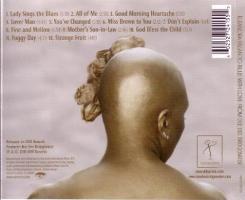
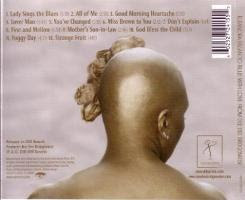
On Women's Month: Dee Dee Sings Lady Day {w/ Adenda}*


[Lady Sings The Blues]

“Young people take note of this woman’s life,
This woman’s bravery, so you too can learn to stand up,
and not be afraid to speak in your own voice.
Children, stand tall and dare to be a Billie Holiday!”

Dee Dee Bridgewater


[Good Morning Heartache]


[Don't Explain]


[Foggy Day]


[Strange Fruit]


{discover more here}


*Adenda


"Someone's got to have the balls to stand up and say, that's enough. That... is... enough." Printed words do not convey the force accompanying this sentiment from a woman who admits to having once thrown a man across a room.
"We're going to try to unite all the female black jazz-singers," she says, "and make a political stand." Woe betide anyone who tries to oppose her. "When I get really angry, I feel my blood boil, I see red, literally, and then I get physical. Don't mess with my babies, my albums. Don't mess with me. I'll turn into an angry, black 'ghettified' sister who will kick your effing ass."


Today (14/03/11), while perusing through some old papers looking for a poem I wrote some years ago dedicated to Lady Day (still couldn't find it), I came across this flyer for the one and only Dee Dee Bridgewater show I went to see (on May 2002, at the Barbican) so far - and what a show! I was totally immersed in the vibrancy of her strong voice and enthralled by the energy of her scatting: it was the first time I experienced live what I had only heard before on some of Ella Fitzgerald's or Sarah Vaughan's recordings - a woman's voice turned into an instrument, mainly the trumpet, but also, incidentally, the piano, or the bass. I still can feel some of that energy now more than 10 years passed...

Then I went to look up the Net for echoes of that show and found the article from which I've taken the extracts bellow. I was totally unaware of that row about Dianna Krall (and, in passing, Norah Jones) at the time ... and now I must rethink my 'singing her praises', though not necessarily repent because I only dit it once, and half-heartedly at that, namely in a comment posted here, and in a context that I suppose was perfectly understandable (and ... I pray that sista Dee Dee, if she ever reads this, doesn't feel like kicking my effing ass for having mentioning her name alongside Krall's...)!

That context being one, it might be worth noting, in which I was (only mildly and respectfully enough...) making some remarks and suggestions to some Angolan national “jazz pundit” for promoting exclusively white Portuguese jazz musicians’ tours to the country, as can be gathered here… and it just so happens that he recently voiced an overt, sinister, death threat (!) to me, apparently because of it and of my ‘tolerance’ (not even unconditional support…) for some new trends in Angolan contemporary music, such as HIPHOP and Kuduro, basing my position on the darker side of Jazz History as exemplified here… All, as he sees it, against the background of the 27 May 1977 - a political tragedy with clear racist overtones on all sides which caused thousands of victims and has left open, unhealed wounds in the fabric of Angolan society to this day - and on which some of my views vis-a-vis the Marxist theory and practice aluded to by him are expressed on this post and on comments to this one...

Ah! And also, directly or indirectly, because of my stance on issues like this, protagonised by some white blond barbie doll who, funnily enough, recently rose overnight from virtually total obscurity in that country’s media - after a forced retreat caused by an open letter by Angolan citizens accusing her of blatant racism! - thanks to unashamedly aping, for her 'rebirth so-called contemporary dance show', Cassandra Wilson’s “(un)vest”, for lack of a better word, on the cover of her New Moon Daughter album pictured here…

Now, just briefly, about Norah Jones: in the beginning of 2003, a female friend (and in the Angolan context this can be highly relevant: a mixed-race one) in Luanda asked me what I thought about her and I replied, totally absentmindedly and unaware of Dee Dee’s outburst a few months earlier, something like this: look, to be perfectly honest, I don’t know what the fuss around her is all about; her most celebrated song so far seems to be all around something like “don’t know why I didn’t come”, which apparently invokes (unfulfilled) sex… so, if that’s all there is to her success I can’t really figure out where she stands as a jazz singer, writer, or musician…

Another thing that touched me in Dee Dee's outburst was the way in which she used the word antiseptic - I often use the word asseptic (e.g. here) to describe similar cases and contexts... But, above all, it was warming to know of her sisterly allegiance with Cassandra Wilson and other black jazz singers around it at the time... which, in some ways, takes me to this other sort of 'sisterly allegiance' (albeit circumstancial and distant), where it becomes apparent that some people in Angola, somewhere, somehow, and for whatever racially and/or culturally-based reason(s) have been trying (for far too long!) to, to use Dee Dee's word, exterminate me and my work, humble and unconceited as it is...

So, really, these discoveries today made my DAY! And, inDEEd inDEEd, my WOMEN'S MONTH!


Dee Dee Bridgewater is one of those people who is slow to anger, normally exuding the kind of calm associated with green tea, eucalyptus oil and tinkly-binkly music. At the age of 51, her skin is almost unnaturally smooth, and her conversation is low and beguiling, often sinking to a whisper. Her career has included stints with the Thad Jones-Mel Lewis Jazz Orchestra, stage shows about Ella Fitzgerald and Billie Holiday, and forays into pop; a trio of her earlier recordings has recently been reissued. She is delighted with her latest project, an album of Kurt Weill songs, which she will perform tonight at the Barbican. All would seem very well for Ms Bridgewater.

Yet the contented façade barely contains a volcano of rage that she admits she is struggling to keep the lid on. Bridgewater fears that the big record companies are trying to exterminate her and the tradition she represents, to replace them with insipid Barbie dolls with mass-market, lucrative appeal. The idea that jazz singing should be in a frail state may initially seem odd. Aren't the likes of her Verve label-mate Diana Krall and Norah Jones achieving the elusive position of being genuinely popular jazz artists, with posters on billboards and television ad campaigns, just like, well, pop singers? As Bridgewater points out, that achievement does not come without a cost.

"The Diana Krall phenomenon is based on material that's 30 or 40 years old," she says. "The treatment is cold, there's no emotion. It's only working because the jazz has been watered down, it's not abrasive – it's antiseptic." Bridgewater herself is a wonderful interpreter of old standards, although there is a world of difference between her punchy, gutsy style and the pale-honey smooth Krall – you could never accuse Dee Dee of being antiseptic. But there is more than just a difference of stylistic opinion here. "This is the era of the white female jazz singer," she says. "Even though jazz singing has traditionally been associated with the black female voice, it has never been at the elimination of the white female singer. Why, all of a sudden, are we supposed to be eliminated because the labels are scrambling to find their own Diana Krall wannabes? It's upsetting and frightening."

There's nothing grey about Dee Dee, or her contemporary Cassandra Wilson, both of whom search for the individual rather than a lower common-denominator. They resist the pressure to make radio-friendly recordings, and as a result, feel their music is not being treated seriously by an industry looking for a fast, sizeable return. "We were both in New York," says Dee Dee, "and Cassandra said, 'I can't get anybody interested in my projects, they keep putting Krall's name in my face. What are we supposed to do? Look at us, we've got our dreadlocks!'"

This is happening not only in America, but also in France, until recently Bridgewater's adopted home. "I've always employed French musicians, I've been burned for taking them to New York. But I can't get any reviews in French jazz papers. They've decided that Diana Krall is the beginning, the end and the in-between. To have the French jazz community turn its back on me because they've got some blonde, blue-eyed chick that can sing halfway decent and can play the piano – I'm livid."

She is determined that her anger will not make her bitter, though. A solution is forming in her mind. "Someone's got to have the balls to stand up and say, that's enough. That... is... enough." Printed words do not convey the force accompanying this sentiment from a woman who admits to having once thrown a man across a room.
"We're going to try to unite all the female black jazz-singers," she says, "and make a political stand." Woe betide anyone who tries to oppose her. "When I get really angry, I feel my blood boil, I see red, literally, and then I get physical. Don't mess with my babies, my albums. Don't mess with me. I'll turn into an angry, black 'ghettified' sister who will kick your effing ass."

"I always felt that I had to scat, to be another musician" – in her case, a trumpeter. "My father was, my first husband was, I had a boyfriend who was. Dizzy, Miles, Clark Terry – all my heroes were trumpeters." Now she is happy to concentrate on the lyric. "I thought, why don't I just sing the whole song, which I haven't done for years because I've been working so hard on getting my scatting to a level where I felt I was really being an instrument."

This is her route now. Bored by standards, which she says she might return to when she's 60 but not before, Weill has opened up a new vista for her; she's even contemplating resuscitating some of his operas. Her record company would do well to realise what a prodigious talent it has in Dee Dee Bridgewater – an artist worth a hundred Diana Kralls. If they don't, she will certainly be off – but not before she's kicked their effing asses.


{extracted from here}


Related posts:

Happy Hour!!!

A Minha Patria Nao E' a Lingua Portuguesa


Friday, 11 March 2011

Rape: A Radical Analysis


From an African-American Perspective
[by Kalamu ya Salaam]

The struggle to eradicate sexism and develop African-American women is, in our opinion, a key and critical aspect of our people's struggle for a better and more beautiful life.

Sexism is the systematic repression and exploitation of one group of people by another group of people based on the criterion of sex. Sexism, as institutionalized in America today, manifests itself as the social and material male domination of women.

Sexism, like capitalism and racism, is a pervasive evil that must be rooted out and eradicated through conscious, uncompromising and consistent struggle. But smashing sexism will not be easy.

First, we must fight against the myth that sexism is not a major problem in the African-American community. Second, we must deepen our theoretical and analytical understanding of sexism so that we can know precisely how to proceed.

Our purpose in this presentation is to offer an analysis and theory of the phenomenon of rape, one of the most blatant and violent forms of sexual oppression. Hopefully this presentation will inspire women to fight back, will inspire men to be self-critical, and will inspire each reader to reassess their own thoughts and actions with respect to woman/man relationships in general and the sexist practice of rape in particular.


[Keep reading here]


Related post

Systematic Rape Reported on The Border Angola-DRC

Tsunami Hits Again


This time in Japan

[Details here]


Related post:

The Tsunami


This time in Japan

[Details here]


Related post:

The Tsunami

Monday, 7 March 2011

Angola: 'Anti-regime protest' aborted


Reports from Angola say authorities have arrested up to 20 people who were trying to protest against the rule of President Jose Eduardo dos Santos.

A local news outlet, Angola 24 Hours, says security forces detained the protesters Monday at the May 1 Square in the capital, Luanda.

Other reports say those arrested include three journalists from the independent Novo Jornal newspaper and a rapper who has been critical of the government.

Anonymous activists had called for an anti-dos Santos rally in the capital Monday. Officials speaking through state media warned Angolans against attending the demonstration.

On Saturday, thousands of Angolans took part in a pro-government rally in Luanda.

President dos Santos has ruled Angola since 1979. The country is rich in diamonds and oil, but most of its population lives in poverty.

[here and here]


Related post:

Verdade ou Mentira?


Friday, 4 March 2011

CARNAVAL [R]


Despir o nú
e agasalhar o mal vestido,
como quem quer a coisa
e nunca se espanta,
senão à despedida.


Resta um canto suave
e um prazer imedido
na exorcisão das teias
do armário

qualquer ovo que se machuca
entre os dedos
e se espalha lentamente
pelo corpo, auspiciosamente,
entre a calma do ócio
e o desprezo da revolta,
um sorriso e
talvez um aperto de mãos.
De costas. Para dar mais prazer.


E um vento que sopra
rasteiro, sibilino
uma tempestade
que nunca desabará
e o choque. Carnaval.


[A.S. in S.O.S.]


[Postado inicialmente a 19/02/07]

Thursday, 3 March 2011

Verdade ou Mentira? [actualizado]*


A sociedade angolana (tanto os cidadaos **, como o poder e a oposicao politica) ainda nao esta' preparada para os ventos de mudanca que assolam o Norte de Africa.

[i.e. que resultem em mudancas como as ocorridas na Tunisia e no Egipto e nao descambem no que se passa na Libia...]


*[aqui e aqui]


Posts Relacionados:


A Tarefa de Substituir JES

Depois do Melao...

Humor Angolano


E... para ajudar a descomprimir um pouco a 'alta tensao' e o 'nervoso miudinho' que se vivem em antecipacao das 'manifestacoes e contra-manifestacoes' anunciadas para os proximos dias em Luanda, este Zenga Zenga do 'Irmao' Gaddafi:


** ADENDA


Nao e’ por nada, mas…

Porque sera’ que este jovem, de quem apenas ouvi falar nos ultimos dias, com o seu discurso pouco recomendavel a menores de idade, sobretudo em lugares ou meios de comunicacao publicos, e o seu recurso a “palavras de ordem” do Paulo Flores, me faz lembrar certos “arremessadores de armas” – tao “democratas e tolerantes” que nao descansam enquanto nao me alvejarem de morte (!) e igualmente cheios de “responsabilidade, profundidade e conteudo” e, sobretudo “nada esforcados e muito modestos” (!) – de que se fala, entre outros lugares, aqui, aqui, aqui ou aqui?!


A sociedade angolana (tanto
os cidadaos **, como o poder e a oposicao politica) ainda nao esta' preparada para os ventos de mudanca que assolam o Norte de Africa.

[i.e. que resultem em mudancas como as ocorridas na Tunisia e no Egipto e nao descambem no que se passa na Libia...]


*[aqui e aqui]


Posts Relacionados:


A Tarefa de Substituir JES

Depois do Melao...

Humor Angolano


E... para ajudar a descomprimir um pouco a 'alta tensao' e o 'nervoso miudinho' que se vivem em antecipacao das 'manifestacoes e contra-manifestacoes' anunciadas para os proximos dias em Luanda, este Zenga Zenga do 'Irmao' Gaddafi:


** ADENDA


Nao e’ por nada, mas…

Porque sera’ que este jovem, de quem apenas ouvi falar nos ultimos dias, com o seu discurso pouco recomendavel a menores de idade, sobretudo em lugares ou meios de comunicacao publicos, e o seu recurso a “palavras de ordem” do Paulo Flores, me faz lembrar certos “arremessadores de armas” – tao “democratas e tolerantes” que nao descansam enquanto nao me alvejarem de morte (!) e igualmente cheios de “responsabilidade, profundidade e conteudo” e, sobretudo “nada esforcados e muito modestos” (!) – de que se fala, entre outros lugares, aqui, aqui, aqui ou aqui?!

Saturday, 26 February 2011

Systematic Rape Reported on the border Angola-DRC


Systematic sexual violence continues to be carried out against Congolese women and girls caught up in mass expulsions from Angola to the Democratic Republic of the Congo, according to a U.N. envoy.
Community leaders recorded 182 reported rapes in seven villages along the border in January alone, while a U.N. assessment mission confirmed 1,357 reported rape cases in one village in a six-to-eight-month period last year, said the official, Margot Wallstrom.
"My findings strongly suggest that sexual violence is systematically being carried out against Congolese women and girls in the context of expulsions from Angola to (Congo)," said Wallstrom, who visited the area.
"Many of the survivors who I spoke with confirmed that these violations occur in detention facilities in Angola as well as on the Congolese side of the border," she said in a statement.
"Women recounted that they were raped by uniformed security forces during expulsion from Angola," Wallstrom said, adding the figures had probably been under-reported.
The rapes first came to light last November when a report by the U.N. children's agency UNICEF, seen by Reuters, said that more than 650 people had suffered sexual violence during expulsions from Angola to Congo in the previous two months.
Tit-for-tat expulsions between Angola and Congo reached an estimated 211,000 people in 2009.

More details here and here


Related Posts:

Kabila on Rape in DRC

Dividendos dos Afectos


Sunday, 20 February 2011

A Irresponsabilidade do Vazio* [Revisto e Actualizado]


"(...) Age was respected among his people, but achievement was revered. As the elders said, if a child washed his hands he could eat with kings. Okonkwo had clearly washed his hands and so he ate with kings and elders."
Biyi Bandele [in Introduction to Chinua Achebe's Things Fall Apart - Penguim, 2001 edition]

N.B.: Chinua Achebe started writing Things Fall Apart, his magnum opus published three years later, in 1958, which has earned him the title of 'The Grandfather of African Literature', at the age of 25.


Olhamos para os cantos
Buscando um espaço
Anunciado tempo de sonho
Em espiral
No percurso das veias
Já corroídas pelo vazio, raiz da loucura
Se não preenchido a tempo.

[Extracto de Canto dos Olhos – A.S. in S.O.S.]


Juro por Deus [e desde ja’ Lhe peco perdao por invocar assim o Seu nome em vao – e’ que, cada vez mais, vou dando por mim regressando ‘a minha fe’ em Deus (ou, mais precisamente, em Jesus, meu xara’), dos meus tempos de infancia e adolescencia: quanto menos vou acreditando nos homens (e mulheres) deste mundo, mais necessidade vou sentindo de ter Alguem em quem acreditar!... Embora continue a detestar homilias!...] que tinha decidido ha’ ja’ bastante tempo nao voltar a deixar-me arrastar em discussoes inocuas com “surdos-mudos”, especialmente os do tipo arrogante ignorante e/ou intelectualmente desonesto. De facto, comecei a implementar essa decisao de forma efectiva no inicio deste ano com este "Thought for the Year" e, em seguida, ao longo das ultimas semanas, com a retirada progressiva de todos os posts real ou potencialmente polemicos que neste blog publiquei, em particular os relacionados com uma certa tristemente celebre campanha…

Neles se incluiam os que escrevi, ainda nos primordios deste blog, sob o titulo generico “Makas na Sanzala”, sobre algumas das “homilias” de Mia Couto (MC). Nao e’, portanto, sem alguma relutancia que me sinto compelida a voltar a escrever a proposito de mais uma delas – o que, muito a contragosto, me levou a ter que ‘repostar’ alguns dos posts relacionados que ja’ havia retirado. Ja’ ha’ muito nao recebia, por email, tais “homilias” – mais precisamente desde a que ficou mais conhecida pelo “sejamos claros” –, pelo que me desgostou sobremaneira voltar agora a receber mais uma dessas missivas em forma de “arma de arremesso” (transcrita no final deste texto)…

E’ entitulada “O Peso do Vazio” (o que me recorda uma outra, de Pepetela, entitulada “O Horror do Vazio” – e’, o vazio parece estar na moda!… Ja' agora, um outro 'tipo de vazio', o do bolso, pode ser encontrado aqui) e, de tao aparentemente aimless, soou-me, recorrendo ao rico vocabulario do seu mui distinto e consagrado autor, oca, bacoca, vazia e… irresponsavel!


[Kant - by Yinka Shonibare]


[Continua aqui]


Posts relacionados:

Vultures

Falando do Homem Novo

Falando de Intelectualismo(s)

African Intellectuals in the Belly of the Beast


*Aparentemente, esta foi a "resposta" de Mia Couto a este post: "Os Falsaportes" - o qual, por sua vez, podera' ser lido em referencia a este.


Saturday, 19 February 2011

Just Poetry (xxxvii)


Vultures

In the greyness
and drizzle of one despondent
dawn unstirred by harbingers
of sunbreak a vulture
perching high on broken
bones of a dead tree
nestled close to his
mate his smooth
bashed-in head, a pebble
on a stem rooted in
a dump of gross
feathers, inclined affectionately
to hers. Yesterday they picked
the eyes of a swollen
corpse in a water-logged
trench and ate the
things in its bowel. Full
gorged they chose their roost
keeping the hollowed remnant
in easy range of cold
telescopic eyes...

Strange
indeed how love in other
ways so particular
will pick a corner
in that charnel-house
tidy it and coil up there, perhaps
even fall asleep - her face
turned to the wall!

...Thus the Commandant at Belsen
Camp going home for
the day with fumes of
human roast clinging
rebelliously to his hairy
nostrils will stop
at the wayside sweet-shop
and pick up a chocolate
for his tender offspring
waiting at home for Daddy's
return...

Praise bounteous
providence if you will
that grants even an ogre
a tiny glow-worm
tenderness encapsulated
in icy caverns of a cruel
heart or else despair
for in the very germ
of that kindred love is
lodged the perpetuity
of evil.

[Chinua Achebe]


Agostinho Neto

Agostinho, were you no more
Than the middle one favored by fortune
In children's riddle; Kwame
Striding ahead to accost
Demons; behind you a laggard third
As yet unnamed, of twisted fingers?

No! Your secure strides
Were hard earned. Your feet
Learned their fierce balance
In violent slopes of humiliation;
Your delicate hands, patiently
Groomed for finest incisions,
Were commandeered brusquely to kill,
Your gentle voice to battle-cry.

Perhaps your family and friends
Knew a merry flash cracking the gloom
We see in pictures but I prefer
And will keep that sorrowful legend.
For I have seen how
Half a millennium of alien rape
And murder can stamp a smile
On the vacant face of the fool,
The sinister grin of Africa's idiot-kings
Who oversee in obscene palaces of gold
The butchery of their own people.

Neto, I sing your passing, I,
Timid requisitioner of your vast
Armory's most congenial supply.
What shall I sing? A dirge answering
The gloom? No, I will sing tearful songs
Of joy; I will celebrate
The man who rode a trinity
Of awesome fates to the cause
Of our trampled race!
Thou Healer, Soldier and Poet!

[Chinua Achebe]


Images: 'The Sleep of Reason Produces Monsters' by Yinka Shonibare


Friday, 18 February 2011

Angola: The Fall of a Creole Elite?


Abstract: The main purpose of this essay is to investigate different interpretations of the concept of creoleness that may be applied to late nineteenth-century Angola in order to understand whether the definition of a "creole elite" is pertinent when used to refer to the group of filhos da terra, filhos do país or filhos de Angola engaged in conversations about rights and citizenship with one another, with the wider literate population in Angola, with the colonial authorities, and with the literate population in the metropolis.

Sumário: O objetivo deste artigo é de reflectir sobre o sentido da palavra "crioulo," discutir a pertinência do uso deste adjectivo para a definição do segmento social analisado e aprofundar a investigação de um ponto de vista cultural, biológico e linguístico. Depois de comparar as diferenças entre a realidade angolana e outros espaços crioulos presentes no mundo de língua portuguesa (Cabo Verde e São Tomé), a investigação procura examinar as características marcantes das "ilhas crioulas" angolanas, tentando superar os limites ideológicos impostos ao longo do século XX pela crítica contemporânea portuguesa, inspirados respectivamente por apologistas e detractores do esforço colonial. Neste artigo o termo "crioulo" quer definir uma categoria sócio-cultural que abrange um leque variado de elementos heterogéneos: os descendentes de europeus nascidos em Angola–tanto brancos como mestiços–e africanos destribalizados mais ou menos adaptados à cultura europeia que formavam um grupo intermediário entre os europeus da metrópole e a população indígena das áreas rurais.


Jacopo Corrado
The Fall of a Creole Elite?: Angola at the Turn of the Twentieth Century: The Decline of the Euro-African Urban Community
Luso-Brazilian Review - Volume 47, Number 2, 2010, pp. 100-119

(University of Wisconsin Press)

Wednesday, 16 February 2011

Global Elites: Do they serve the masses?


There's an interesting live debate on the subject (now about to close) being held by The Economist here.


Some previous Economist Debates with specific interest to Africa:


Egypt


A debate is raging not just in Arab countries but all over the world about whether democracy in Egypt is possible or even desirable. Will Egypt embrace democracy in the next year? Will autocracy prevail? Or will Egypt descend into chaos?

[here]


China's growing involvement in Africa


What is China doing for Africa? The Asian giant is hungry for resources—oil, notably, but minerals and land too—that are abundant on the continent. China also wants strong political ties, for example to build alliances at the United Nations and at global summits. Increasingly, too, Chinese are migrating to Africa. The result is increased trade and investment and a powerful counterweight to Western and former colonial interest in Africa. But there is a downside too. Alliances with China help to protect undemocratic and repressive African governments. China's presence in Zambia, for example, has stirred fierce resentment and accusations of neo-colonial meddling. Lack of concern for human rights or transparency risks bringing just the wrong sort of development to parts of Africa. Chinese imports are helping to smash Africa's putative manufacturing sector to bits. For the average African, might the presence of China be a mixed blessing?

[here]


Cities


Just over half the world's population now call cities home. Soon some 500 cities around the world will have more than 1m people each. Within a couple of decades, says the UN, 5 billion people will live in cities, with the most rapid rise in the number of urban dwellers coming in Asia and Africa. Urbanisation typically comes, in the long term, with great gains to human development: it helps to create wealth, spur innovation, encourage freedom and improve the education of those who make it to town. But the rapid spread of sprawling, ill-planned mega cities, the rise of slums that are home to millions of the poor, the dreadful pollution and congestion common to many fast-growing cities, the rising power of urban gangs and even paramilitary forces in some countries, all suggest that too-rapid growth can harm, as well as improve, the residents' quality of life. So should, and could, the growth of cities be restricted, and by whom? Would restrictions improve the lives of city dwellers—and what of the lives of those left outside the city walls?

[here]


International Trade


Driven in part by a progressive lowering of barriers to trade in both rich and developing countries, global trade expanded faster in the decades leading up to the crisis than the global economy grew. Economists argue that free trade makes everyone better off, allowing more, and more varied, goods, and lower prices, than would otherwise be possible. Some also argue that it leads to faster economic growth and less poverty.

Some critics of free trade argue, however, that its supposed benefits for poor people and developing countries are illusory. Trade, they say, benefits rich countries at the expense of poor ones, increasing inequality between nations. Others say that it hurts rich-country workers, particularly the less skilled, thus increasing economic equality within rich countries. All would rather that the world concentrate its efforts on making trade "fairer" rather than further attempt to reduce trade barriers.

What does the balance of the evidence say? What does it actually mean to make trade fairer? Fairer for whom? Must the two goals be mutually exclusive?

[here]


Language


The idea that language influences thought is a profound, exciting and possibly disturbing one. It has often been used to exoticise other languages: in the 1930s, Benjamin Lee Whorf wrote that Hopi had no words for time (like days and months), and therefore perceived time far differently than European-language speakers do. The belief that language shapes thought also has political implications: in "Nineteen Eighty-Four", George Orwell imagined a dystopia in which government banned subversive words, making the associated thoughts unthinkable. Even in this decade, a group of French activists have proposed making French the sole language of European law, because of its purported great "rigour" and "precision". Does the language we speak shape how we think?

[here]